

In response to concerns about elevated levels of lead and copper in the potable water system on St. Croix, the V.I. Department of Health is spearheading efforts to ensure the safety of the island's most vulnerable residents.

“We are announcing the launch of a new project titled 'Safe Haven: A Lead-Free Family Initiative,' with the objectives of increasing awareness about lead exposure and conducting blood lead level pediatric testing for children ages 0 to 6 years old on the island of St. Croix,” said Nicole Craigwell-Syms, DOH acting commissioner.
Lead exposure can profoundly affect children's development and also poses significant risks to adults. “Testing the blood lead level will allow us to develop a baseline to determine the health impacts of lead in children as we work toward a lead-free future,” Craigwell-Syms stated. The department has set an ambitious target: “Our goal is to test approximately 1,000 young children on the island of St. Croix.”
The announcement followed Governor Albert Bryan Jr.'s declaration of a State of Emergency during a Government House press briefing Monday. This directive aims to address the ongoing crisis and underscores the urgency of the situation.
DOH's Epidemiology Division will commence the program at Alfredo Andrews Elementary School for students in pre-K to first grade. Parents can register their child for testing at the AAES Public Registration site, which is currently open exclusively for parents and guardians of Alfredo Andrews Elementary School students.
Starting Monday, November 6th, broader testing will be available to all children aged 0 to 6 on St. Croix. Registration and consent from a parent or guardian are prerequisites for testing.
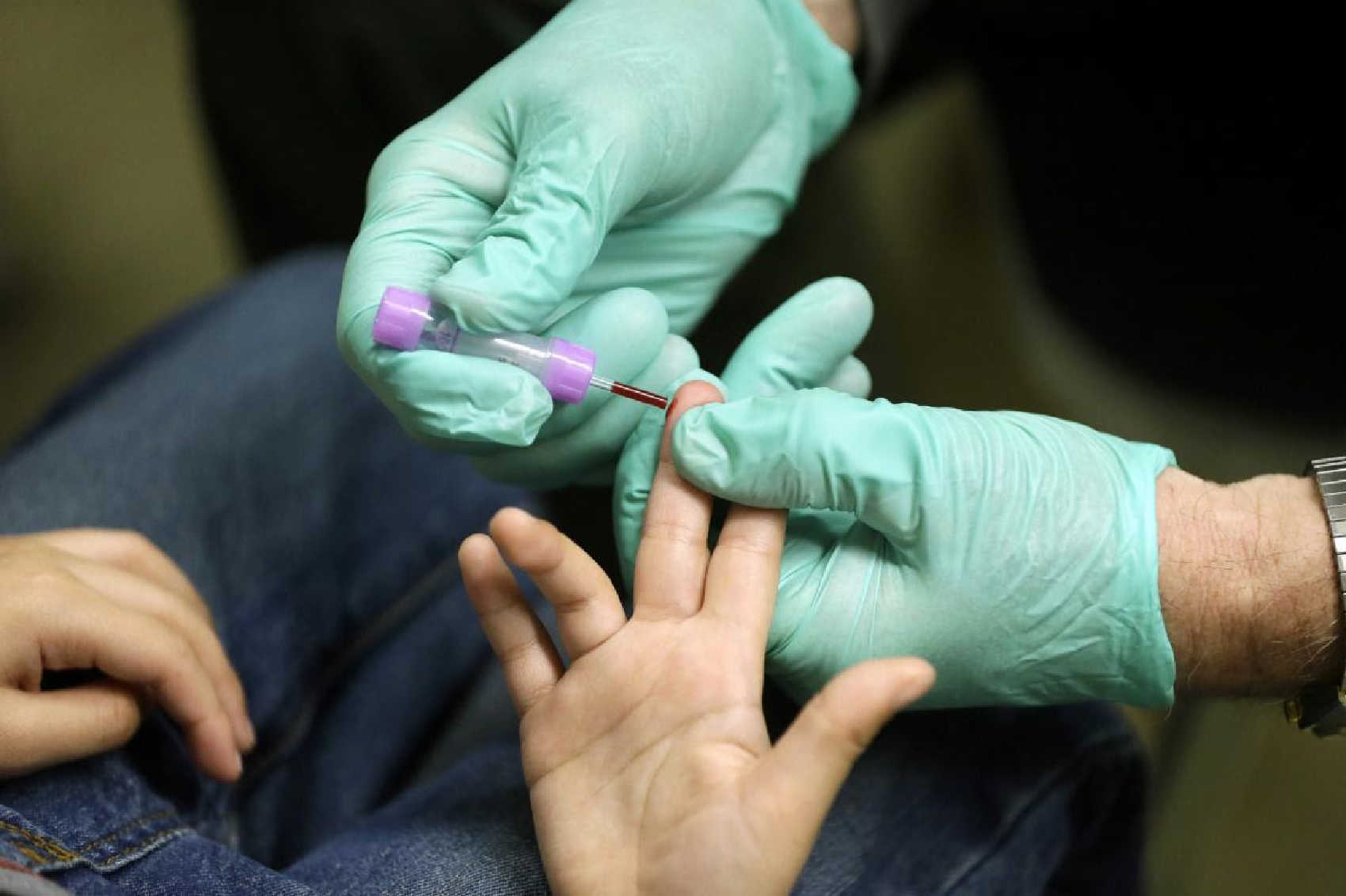
Testing procedures begin with a capillary blood lead test—a finger-prick sample. If this initial test indicates elevated lead levels, a venous blood draw will be conducted for further assessment. The VI Department of Health will contact parents or guardians directly if follow-up services are deemed necessary.
Concerned residents can contact the Department of Health hotlines from 8 a.m. to 5 p.m., Monday through Friday, at 340-712-6299 or 340-776-1519.
Beyond water, DOH highlighted other potential sources of lead exposure in homes. "Lead isn't limited to water; it's present in old plumbing, paint, soil, and consumer products,” emphasized Craigwell-Syms. She added, “We encourage residents to assess their homes and to consider installing filters or water filtration systems."