




The V.I. Department of Health is asking the Legislature for approximately $1.8 million to address mounting debts owed by the territory’s AIDS Drug Assistance Program to pharmacy benefits manager ScriptGuide RX, as officials cite rising medication costs, declining insurance rebates and a growing number of uninsured patients.

Deputy Health Commissioner Renan Steele told the Senate Committee on Health, Hospitals and Human Services on Tuesday that the Communicable Disease Division continues to reconcile pharmaceutical invoices and outstanding obligations to the vendor while working with fiscal officials and other partners to resolve the balance.
According to information available to DOH, the outstanding amount owed to ScriptGuide RX is $1,889,502, with obligations dating back to September 2025.
Resolution of those obligations is “being pursued,” Mr. Steele told lawmakers.

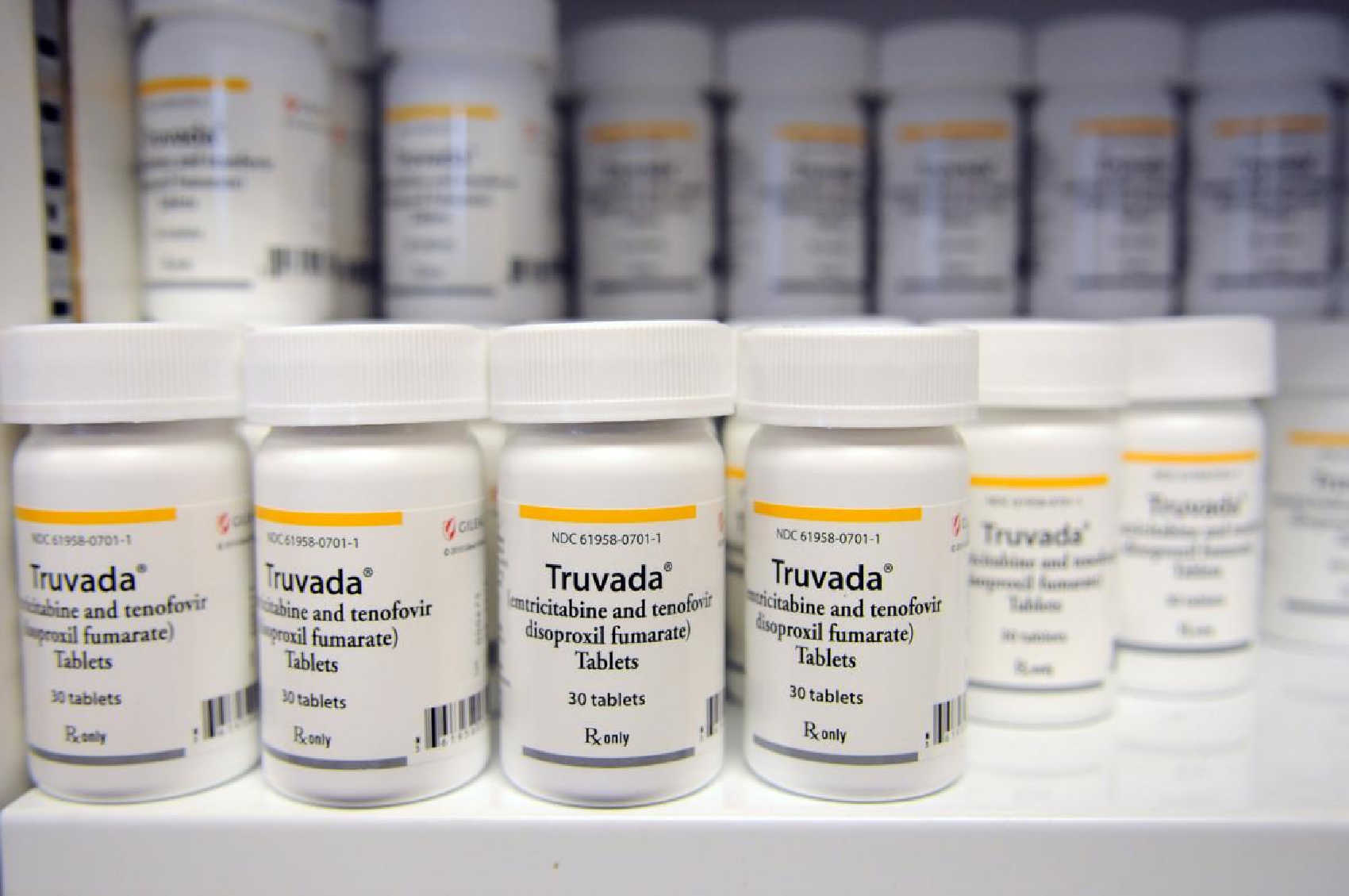
The debt has accumulated within a program responsible for providing costly, often lifelong medication to Virgin Islanders living with HIV. During the current year, the AIDS Drug Assistance Program has processed 2,567 prescription claims for 146 patients, representing approximately $3.81 million in annual medication expenditures. DOH said antiretroviral therapy accounts for approximately 99 percent of those costs.
Despite the outstanding balance, Chief Medical Officer Dr. Tai Hunte Ceasar stressed that people enrolled in the program are not currently facing an interruption in access to HIV medication.
“No Virgin Islander is at risk of not receiving HIV medications because we continue to utilize alternative funding sources and other pharmaceutical assistance programs,” she said.
The concern, she explained, extends beyond antiretroviral medications themselves. Continuing financial pressure could jeopardize relationships with other vendors that provide laboratory testing and local pharmaceutical assistance, services that form part of the broader care system for people living with HIV.
The requested funding would allow DOH to pay down the outstanding ScriptGuide RX obligations while providing additional financial support to maintain those related services.
Dr. Hunte Ceasar said the department is seeking enough assistance “so that we can continue to provide comprehensive services without losing the support of the much-needed laboratory and pharmaceutical benefits.”
She rejected the suggestion that the current financial problem resulted from poor administration of the program. Instead, she attributed the shortfall to a combination of broader financial pressures, including reduced insurance benefits and rebates, increasing healthcare costs and changes in the makeup of the population receiving assistance.
The program is now serving more uninsured residents, she told lawmakers, while reimbursements generated by insured participants are insufficient to offset the increasing cost of providing medication to those without coverage.
“Federal budget cuts from the program and an increase in medications costs for antiretroviral therapy” have also contributed to the shortfall, Dr. Hunte Ceasar said.
“This is something that did not accrue over several years. This happened rapidly over this fiscal year, and is something that all jurisdictions have been facing in the nation,” she told Senate President Milton Potter.
The federal AIDS Drug Assistance Program is part of the Ryan White HIV/AIDS Program and helps states and territories provide medications to eligible low-income people living with HIV who have limited or no health insurance. Federal rules also allow participating jurisdictions to use ADAP resources for certain insurance and treatment-support expenses.
Federal health officials have separately recognized that ADAP programs can face abrupt funding pressures caused by declining program income or rebates, loss of health coverage and increases in the number of people requiring treatment. Emergency relief funding is available competitively to eligible states and territories facing qualifying medication-program shortfalls.
For the Virgin Islands, however, DOH officials told senators Tuesday that the immediate need is assistance from the local Legislature to address the existing vendor balance and prevent financial problems from beginning to affect other pieces of the HIV care network.
When Mr. Potter asked how the department planned to move forward, Dr. Hunte Ceasar pointed directly to the Legislature.

“We're waiting on assistance from this body,” she said.