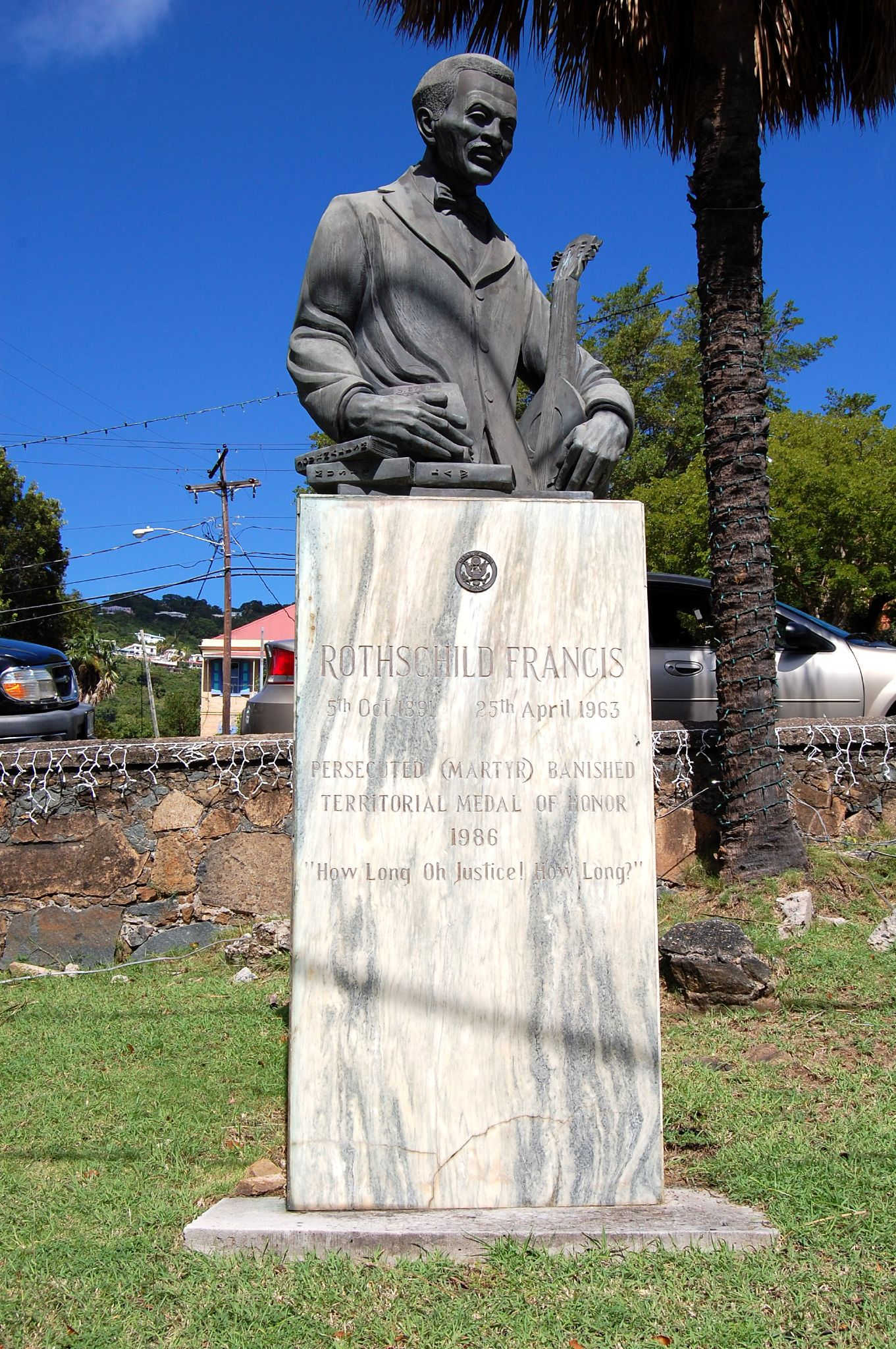

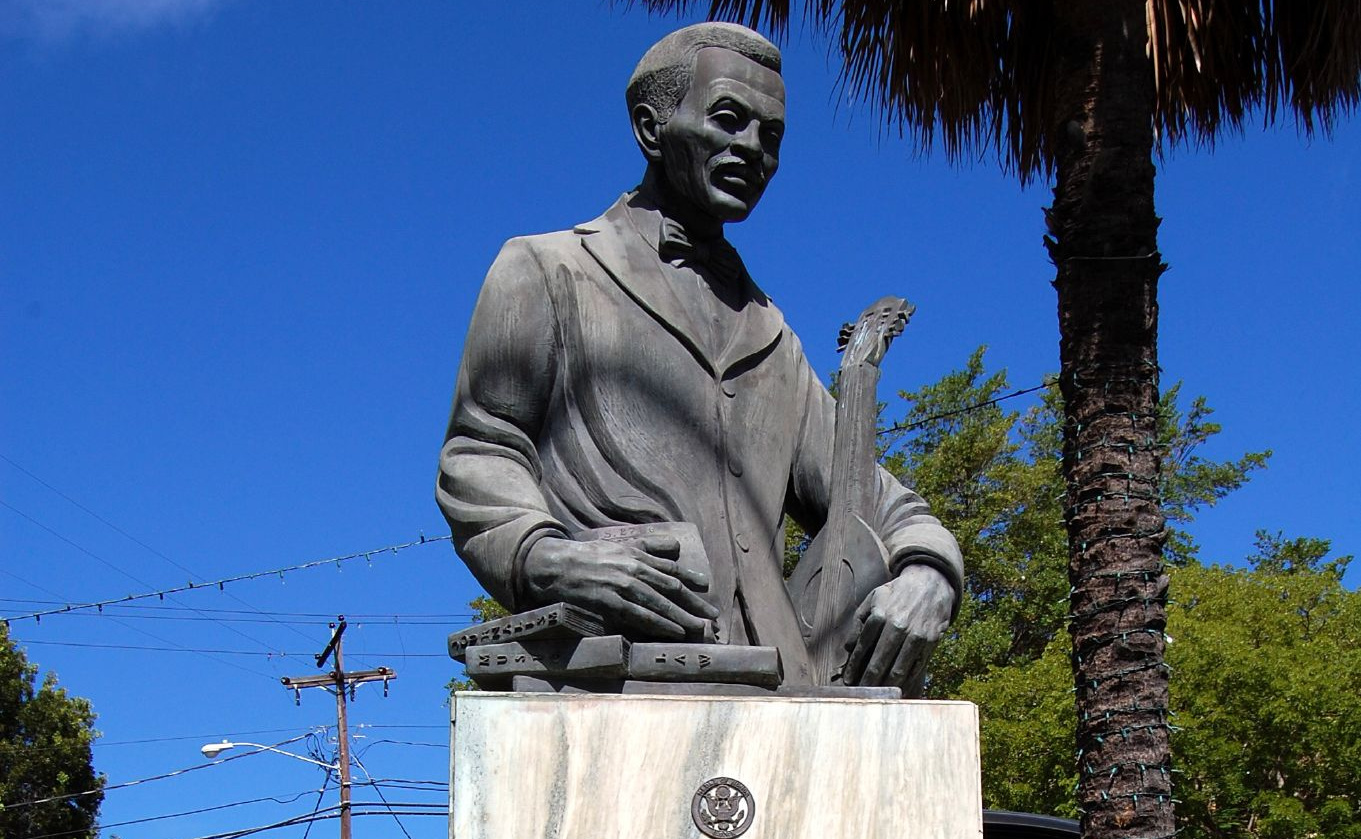
A bill for the president of the United States to posthumously pardon Rothschild (Polly) Francis is on its way to the full Senate, after senators in the Committee of Rules and Judiciary voted unanimously in its favor.
Bill No. 34-0295 was sponsored by Senator Alma Francis-Heyliger and seeks to petition U.S President Joe Biden to overturn the convictions of “criminal libel”, “contempt” and “embezzlement” against the St. Thomas native who is today celebrated as an early-20th century civil rights activist.
Dr. Edward L. Browne described him as “the most powerful activist in the 1920s”.
According to Mr. Browne, the late Mr. Francis had unprecedented access to members of Congress and his articles published in his very own Emancipator newspaper, which were read across the United States, he said.
But it was that unbridled power that would make him an enemy to those in high positions, ultimately leading to his prosecution and his persecution to silence his voice.
Mr. Francis was 25-years-old when the formal transfer of the Danish West Indies from Denmark to the United States took place.
As the story of his prominence would go, according to Mr. Browne, on March 31, 1917, a group of Marines allegedly ran through the city of Charlotte Amalie armed with rifles, instilling fear among the local population.
Rothschild Francis advocated for the removal of the naval administration and the establishment of a permanent form of civil government. Mr. Francis believed that racial tension in the Virgin Islands could be eradicated through the application of constitutional rights and self-government.
Rothschild Francis fiercely advocated for civil and human rights for Virgin Islanders and his advocacy made him a threat to several governors.
Rear Admiral James Oliver, the first American governor for the Virgin Islands reported in 1919 to the Director of Naval Intelligence in Washington that Rothschild Francis was a “sort of half-witted negro…. apparently without an occupation…constantly causing agitation among the ignorant class.” Governor Oliver concluded his report by stating, “I therefore earnestly recommend that…The Attorney General…. Be requested to send a capable, trusted, and energetic representative….to carry out prosecutions.”
District Court Judge, George Washington Williams, would eventually deny Mr. Francis a trial by jury on the grounds that the right to a trial by jury guaranteed by the Sixth Amendment did not extend to the Virgin Islands. Francis was tried, found guilty by Mr. Williams, and sentenced to 30 days in jail.
“It is clear that all Mr. Francis did was fight for the political, educational and social upliftment of his people. He was arrested, assaulted without cause, charged and convicted in deceitful and dishonest judicial proceedings,” anthologist and amateur historian, Glenn “Kwabena” Davis told lawmakers on Thursday.
His fight to appeal his case only led to more convictions and jail time and in May of 1928, when Mr. Francis was declared a free man, he left the Virgin Islands and moved to New York. There is no indication that he ever returned to the Virgin Islands. Rothschild Francis died on April 25, 1963, at the age of 72 years.
It is those events and his constant advocacy for a better quality of life for black Virgin Islands that gain him a statue in Charlotte which Amalie bears the inscriptions, “Persecuted (martyr) Banished Territorial Medal of Honor".
“What Marcus Garvey is to many of us today, Rothschild Francis was then,” Mr. Brown offered, noting the Mr. Francis’ exoneration will send a message to those who did him wrong.
“It says especially to the Danes, that you don’t get a free pass; you can run, you can hide, you can do everything but the day of reckoning for these atrocities and for the U.S. government with President Woodrow Wilson and the others up until 1936, has to be addressed,” Mr. Browne furthered.
In agreement, Mr. Davis remarked that “heroes that emerge from the people have to be recognized.”
After agreeing to an amendment that recognized the U.S President as the rightful person to exonerate Mr. Francis, the bill’s sponsor, Ms. Francis-Heyliger wrapped up the day’s debate by stating, “We as the people of the territory should not be nothing short of proud.”
“This is the kind of lineage we came from; these are the types of people that stood up and fought.”
Reason for the bill amendment
Bill No. 34-0295 originally sought pardon from the governor of the U.S Virgin Islands, however, based on the text of the Organic Act of March 3, 1917, Dr. Brown explained that it appears only a sitting president of the United States can exonerate Rothschild Francis.

During the period of 1917 to 1927, Virgin Islanders were considered non-citizen nationals under the direct authority of the President of the United States through Public Law 64-389. Members of the 64th Congress on March 3, 1917, gave then President of the United States Woodrow Wilson legal authority to decide the fate of thousands of Virgin Islanders to include Rothschild Francis through Article 4 Section 3 of the U.S. Constitution.