




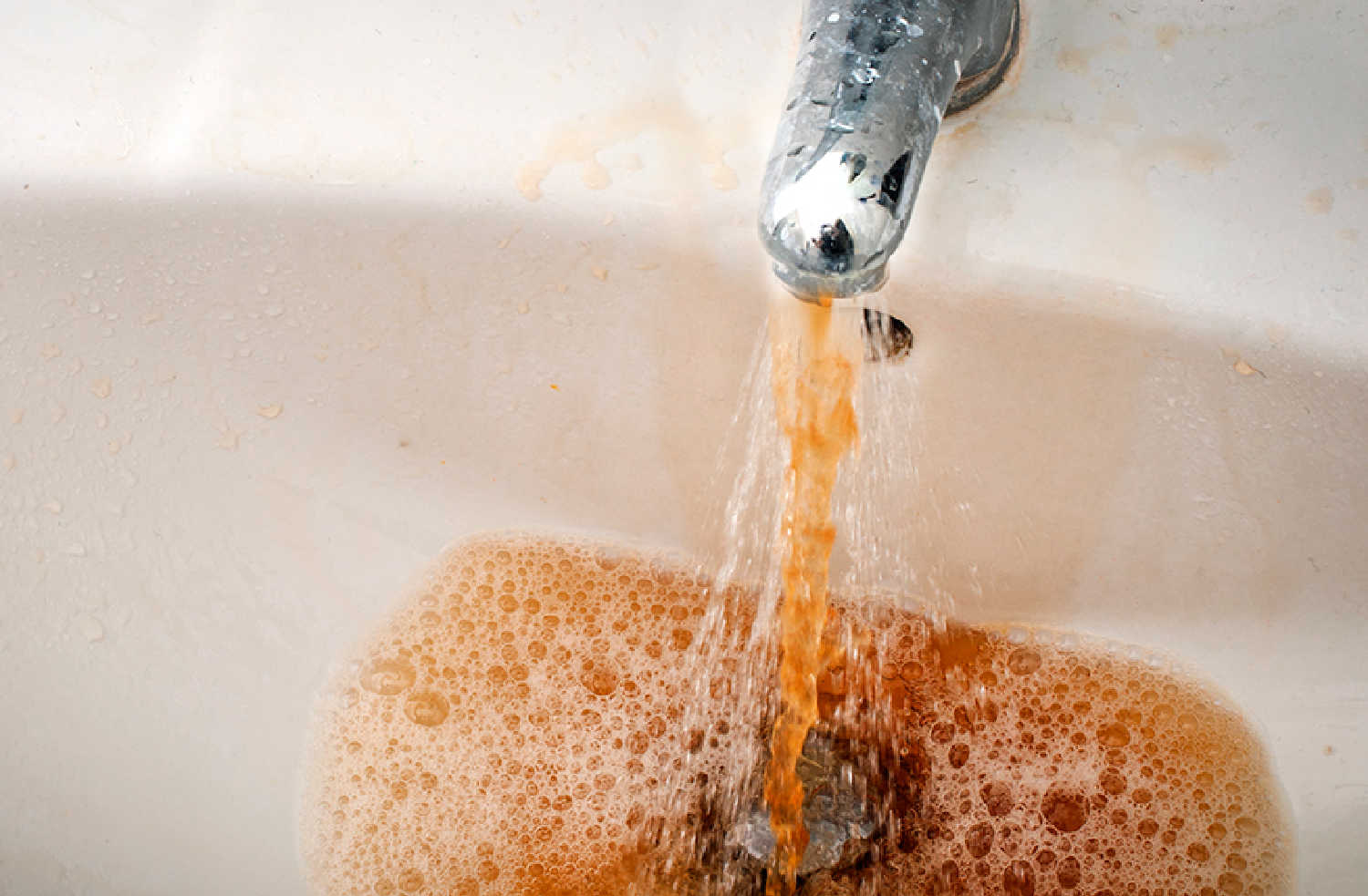
In response to growing concerns regarding water safety in St. Croix, Senate President Novelle Francis has presented legislation aimed at providing immediate relief. The proposed bill seeks to allocate $150,000 to supply bottled water to households affected by increased copper and lead levels in potable water.

“For months, users of the potable water system have carried the financial burden of buying bottled water. St. Croix residents have dealt with discolored water and are now confronted with the news that the potable water is considered unsafe for consumption," stated Mr. Francis. "The government must act quickly and responsibly to both protect the impacted community from further financial strain and support the public’s health.”
The disturbing revelation about the quality of water came to light on Monday, and was followed by a press briefing on Tuesday. During the briefing, Governor Albert Bryan and Water and Power officials sought to explain the situation surrounding the contamination. Addressing the public, Mr. Bryan confirmed that the "no-drinking" advisory was specifically for four communities: Colquhoun, Mon Bijou, Castle Burke, and Diamond. However, he added a cautionary note for others, suggesting that it wouldn't hurt for those outside the directly affected areas to also take precautions.
Don Gregoire, WAPA’s director of Water Distribution, shared concerning data from their tests. Of the 66 samples originally examined, 35 revealed "extremely high" lead levels, with one particular location recording a staggering 20,000 parts per million. An additional 15 sites demonstrated elevated copper levels.

Mr. Gregoire speculated old service lines might be the root cause of the contamination. Notably, these findings emerged when the Environmental Protection Agency stepped in to address the issue of brown discoloration in the water, which had been a major point of contention for residents of St. Croix.
Governor Bryan revealed that these problems appeared to have surfaced only recently, as tests from September of the prior year did not indicate any alarming results. While further testing is underway to validate the preliminary findings, the governor hinted at the potential declaration of a state of emergency, which would enable access to resources from FEMA and other arms of the federal government. However, he expressed reluctance to rush into such a decision without a clearer understanding of the issue's magnitude.
Highlighting the logistical issues faced, the governor shared that the absence of local labs posed a significant challenge. While labs in Puerto Rico have been identified for testing, he did mention a silver lining: a machine at the Department of Health capable of detecting lead in water.
With safety as a priority, Governor Bryan expressed his intention to continue testing the water until residents' safety could be ensured, even suggesting that tests might continue until year-end.
In the meantime, measures have been taken to provide several schools with bottled and bulk water. Governor Bryan also made an impassioned plea to water vendors, urging them not to inflate prices. He sternly warned against exploitation, vowing to take action against any who sought to profit from this crisis.

Concluding his remarks, Sen. Francis, who proposed the bill to allocate $150,000 to supply bottled water to affected households, highlighted the urgency of the situation, “Ultimately, the Virgin Islands Water and Power Authority must continue to take all needed measures that will not only restore the integrity of the potable water system but also the public’s confidence.”