




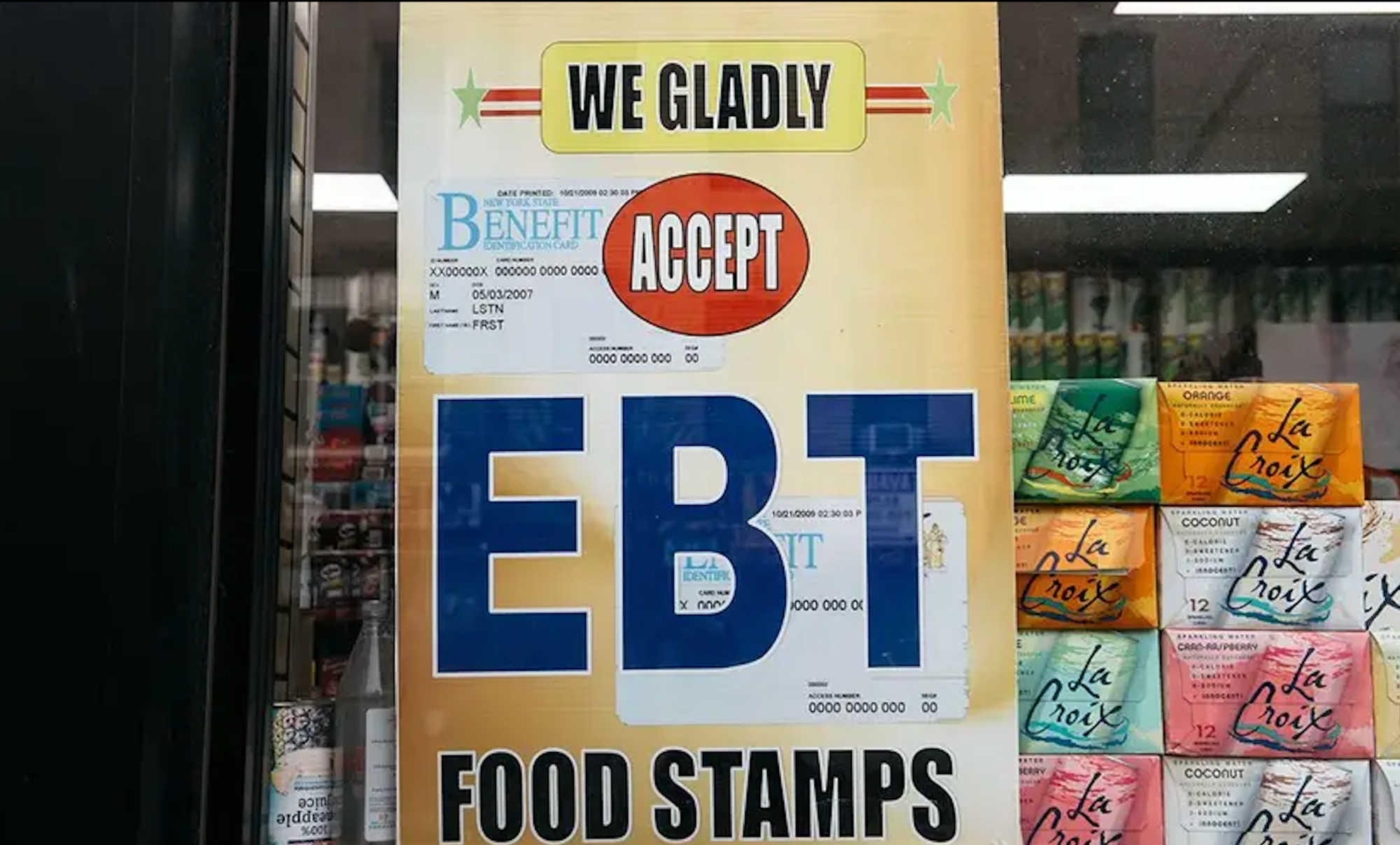
A total of 1,200 households across the territory lost their SNAP food assistance, while another 253 received reduced benefits because members did not meet federal work requirements, according to figures the V.I. Department of Human Services supplied to the Consortium on Thursday. The figures reflect the situation as of October 8.

The department identified 1,605 individuals in those 1,453 households as out of compliance. In households that received reduced benefits, the noncompliant person was removed from the assistance calculation while other eligible members continued receiving SNAP.
DHS Communications Director Ryan Nugent provided the figures from the Division of Family Assistance. They document benefit losses after months of warnings that approximately 5,000 Virgin Islanders could be affected by the requirements.
708 St. Croix Households Lost All SNAP Benefits

On St. Croix, 708 households lost their SNAP assistance entirely and 160 had their benefits reduced. DHS identified 990 noncompliant individuals across those 868 households, combining Christiansted and Frederiksted.
The department’s St. Thomas figures showed 492 households losing all SNAP benefits and another 93 receiving less assistance. Those 585 households included 615 individuals classified as noncompliant.
Across the territory, 82.6 percent of affected households lost their full benefit, while 17.4 percent retained assistance for eligible members at a reduced level. The 1,605 individuals identified by DHS are those who did not meet the requirements, not a count of everyone living in the affected households.
Reviews Exempted 1,100 People
DHS said its initial notifications involved approximately 5,000 Virgin Islanders. A multi-month outreach campaign, individual reviews, medical documentation and exemption checks identified 1,100 people who qualified for exemptions, leaving 3,900 required to comply.
Of those 3,900 recipients, 2,295, or 58.8 percent, met monthly work or training requirements or otherwise maintained compliance. The remaining 1,605, or 41.2 percent, were out of compliance as of October 8.
The requirements apply to a category of Supplemental Nutrition Assistance Program recipients known as Able-Bodied Adults Without Dependents, or ABAWDs. DHS guidance generally identifies that group as adults ages 18 through 64 who do not have a child under 14 in their SNAP household and are physically and mentally able to work at least 20 hours weekly, unless an exemption applies.
Months of Warnings Before Benefits Were Lost
The Consortium reported on August 6 that DHS Commissioner Averil George had warned lawmakers that approximately 5,000 recipients could be affected beginning September 1 if they did not meet the requirements. During the department’s budget hearing, officials described work, education and volunteer opportunities through which recipients could maintain eligibility.
DHS had mailed notices and distributed information through social media. Assistant Commissioner Taetia Phillips-Dorset encouraged unemployed recipients to explore volunteering, while Sen. Kurt Vialet recommended placing notices in supermarkets to reach more people.
An August 21 DHS notice directed affected recipients to submit work-related documents by August 27 to avoid interrupted or lost benefits. It warned that those who did not meet the requirements would no longer qualify effective September 1.
The Consortium’s August 24 guide explained how recipients could document qualifying activities and determine whether they qualified for exemptions. Although DHS had issued guidance describing the expanded rules earlier in the year, its August notice and budget testimony identified September 1 as the date recipients faced the stated loss of eligibility.
Housing and social-service organizations were also preparing for increased demand. In an August 28 report, the Consortium documented concerns raised during a Continuum of Care Council on Homelessness discussion that losing SNAP assistance could push more residents toward food distributions and place additional pressure on already strained housing and support programs.
DHS representative Sarah Burke described plans for a multi-agency outreach effort to help residents address problems with their eligibility. At that point, she did not provide a count of recipients who had failed to meet the requirements. Virgin Islands Housing Authority representatives and nonprofit providers urged greater efforts to help residents complete paperwork and connect with volunteer opportunities.
What Recipients Must Do to Remain Eligible
For people required to participate, DHS’s verification form generally calls for 80 hours of qualifying activity each month, approximately 20 hours weekly when averaged over the month. Paid or unpaid work and approved work programs can count, including permitted combinations of activities.
Recipients must document their participation, rather than simply tell the department they are working or volunteering. DHS’s form calls for activity records and supervisor verification, with supporting documents such as pay stubs, timesheets and attendance records.
Some recipients qualify for exemptions. DHS guidance lists circumstances including pregnancy, a child under 14 in the SNAP household, and physical or mental barriers preventing employment, along with other qualifying conditions. Recipients must establish their exemption status with the department.
People who are subject to the ABAWD time limit and neither meet the requirements nor qualify for an exemption are generally limited to three months of SNAP benefits during a three-year period. DHS’s informational flyer identifies the current period as March 1, 2026, through February 28, 2029.

Recipients who believe they qualify for an exemption or need help documenting their activities can contact their DHS eligibility worker. The department also directs people who miss required hours because of illness, transportation problems or other circumstances beyond their control to report the situation promptly and discuss the next steps.