

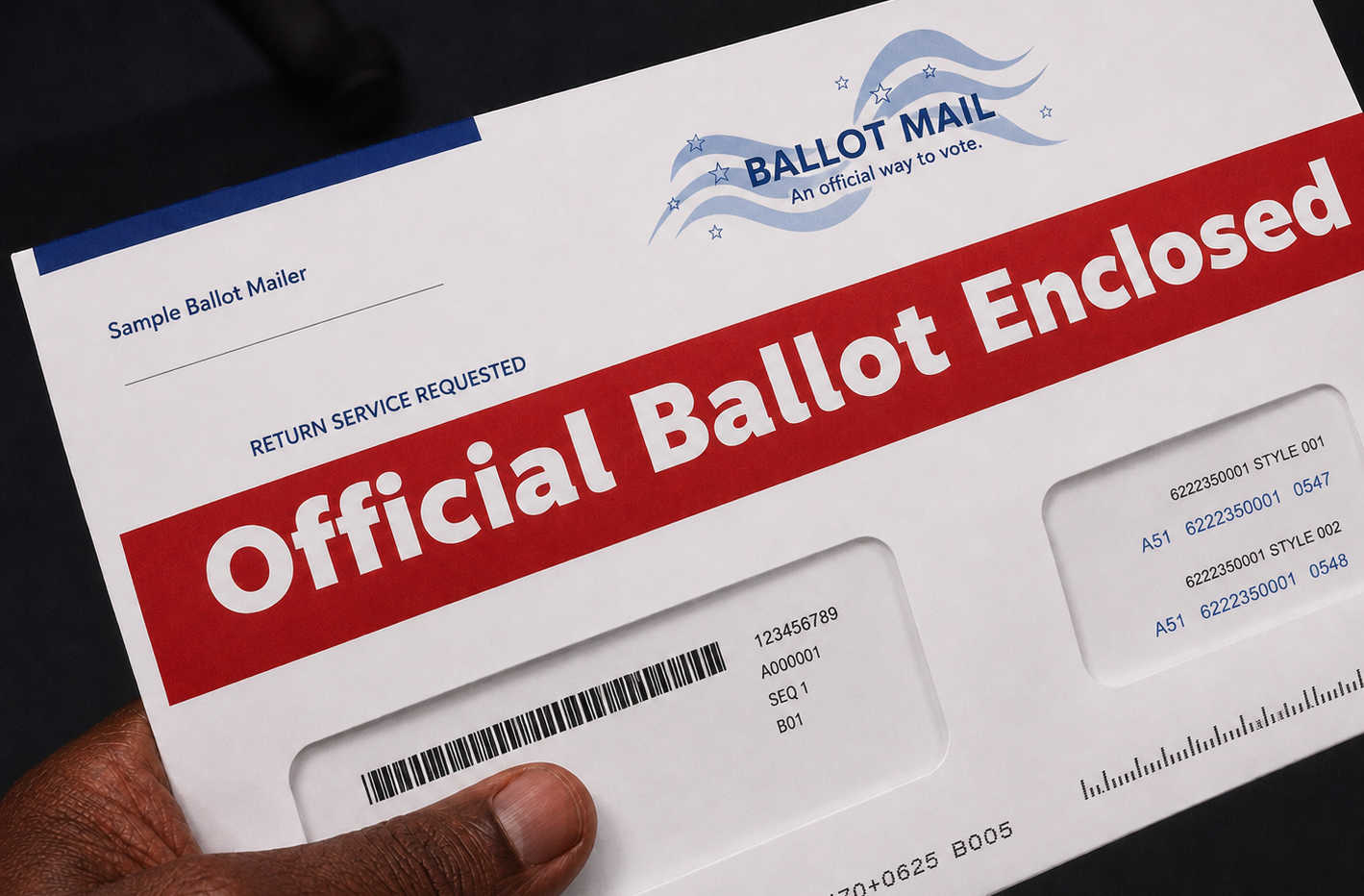
A new U.S. Postal Service rule expressly covering the Virgin Islands would impose additional requirements on absentee ballots sent through the mail for the Nov. 3 general election. But despite a Supreme Court ruling Monday that lifted one legal barrier to President Donald Trump’s mail-voting executive order, the USPS requirements remain blocked from taking effect for this year’s election under a separate nationwide federal court injunction.

That distinction is central to what Monday’s Supreme Court decision actually changed. U.S. District Judge Indira Talwani had issued a June injunction in a lawsuit brought by 23 mostly Democratic-led states and the District of Columbia challenging portions of Mr. Trump’s March executive order. The Supreme Court stayed that injunction Monday, finding that the states’ challenge was premature and that they had not established standing at that stage of the dispute. The justices did not decide whether the president’s election directives are ultimately lawful.
Separately, however, Judge Talwani issued another injunction on Aug. 11 in a case brought by the League of Women Voters of Massachusetts and other organizations. That order applies nationwide and specifically prohibits USPS from implementing, enforcing or giving effect to the executive order’s ballot-mail provisions for the Nov. 3 election, including refusing to transmit mail-in or absentee ballots. The Supreme Court did not disturb that injunction Monday.
The Postal Service itself acknowledges that limitation in its final rule, scheduled for publication in the Federal Register on Wednesday. USPS states that it will not take action to implement the rule for the 2026 election unless and until the federal government obtains relief from the court injunctions. Following Monday’s Supreme Court action, the Aug. 11 nationwide injunction remains the principal court order preventing implementation for Nov. 3.
If that remaining injunction is lifted in time, the rule would apply directly to the U.S. Virgin Islands. In the regulation, USPS defines a “state” to include not only the 50 states and District of Columbia, but also Puerto Rico, the Virgin Islands, Guam, American Samoa and the Northern Mariana Islands. It defines a federal election to include an election for a Delegate to Congress, making the territory’s Nov. 3 general election subject to the rule because Virgin Islanders will elect their congressional delegate. Primary elections are expressly excluded.
Under the rule, election officials using USPS for federal absentee ballots would face new preparation and reporting requirements. Outbound and return ballot envelopes would have to carry the official Election Mail logo, meet automation standards and contain unique Intelligent Mail barcodes. Election officials or their authorized mailers would also have to submit information including the voter’s name, mailing address and corresponding ballot barcodes through a new Federal Ballot Mail Portal.
The Postal Service would verify compliance when batches of outbound federal ballots are presented for mailing. A mailing that fails the required verification would not be accepted and would instead be returned to the authorized ballot mailer to correct the problem before resubmission. USPS says the process would not determine whether an individual is eligible to vote, verify citizenship or independently evaluate the accuracy of a voter’s name or address. Once an outbound ballot mailing is accepted, USPS says it would move through the mailstream under normal procedures.
Those obligations would fall principally on election officials rather than individual voters. USPS states that voters are not responsible for enrolling themselves in the federal portal or correcting information entered there. Voters returning completed ballots by mail would continue to be able to use residential mailboxes, collection boxes or postal retail counters.
The issue is relevant in the Virgin Islands because absentee voting by mail remains part of the territory’s election system. The Elections System of the Virgin Islands lists voting by mail as one of the methods available to registered voters, particularly those who will be away from the territory, including college students and military and overseas voters. For the 2026 general election, the territory’s election calendar sets Oct. 20 as the deadline for applications for absentee ballots that must be mailed.
For now, however, Virgin Islands voters do not have to comply with the new USPS requirements, and the new rule does not currently alter the territory’s procedures for sending federal absentee ballots in the Nov. 3 election. That could change only if the Trump administration obtains relief from the remaining nationwide injunction with enough time for USPS to implement the rule before ballots are mailed.
The legal fight is therefore not over. Monday’s Supreme Court ruling removed one obstacle to the administration’s broader election initiative, but it did not authorize USPS to begin enforcing the new ballot-mail system for November. The remaining litigation — particularly the Aug. 11 nationwide injunction — will determine whether the Postal Service can put those requirements into effect before Election Day.


Advertisements