



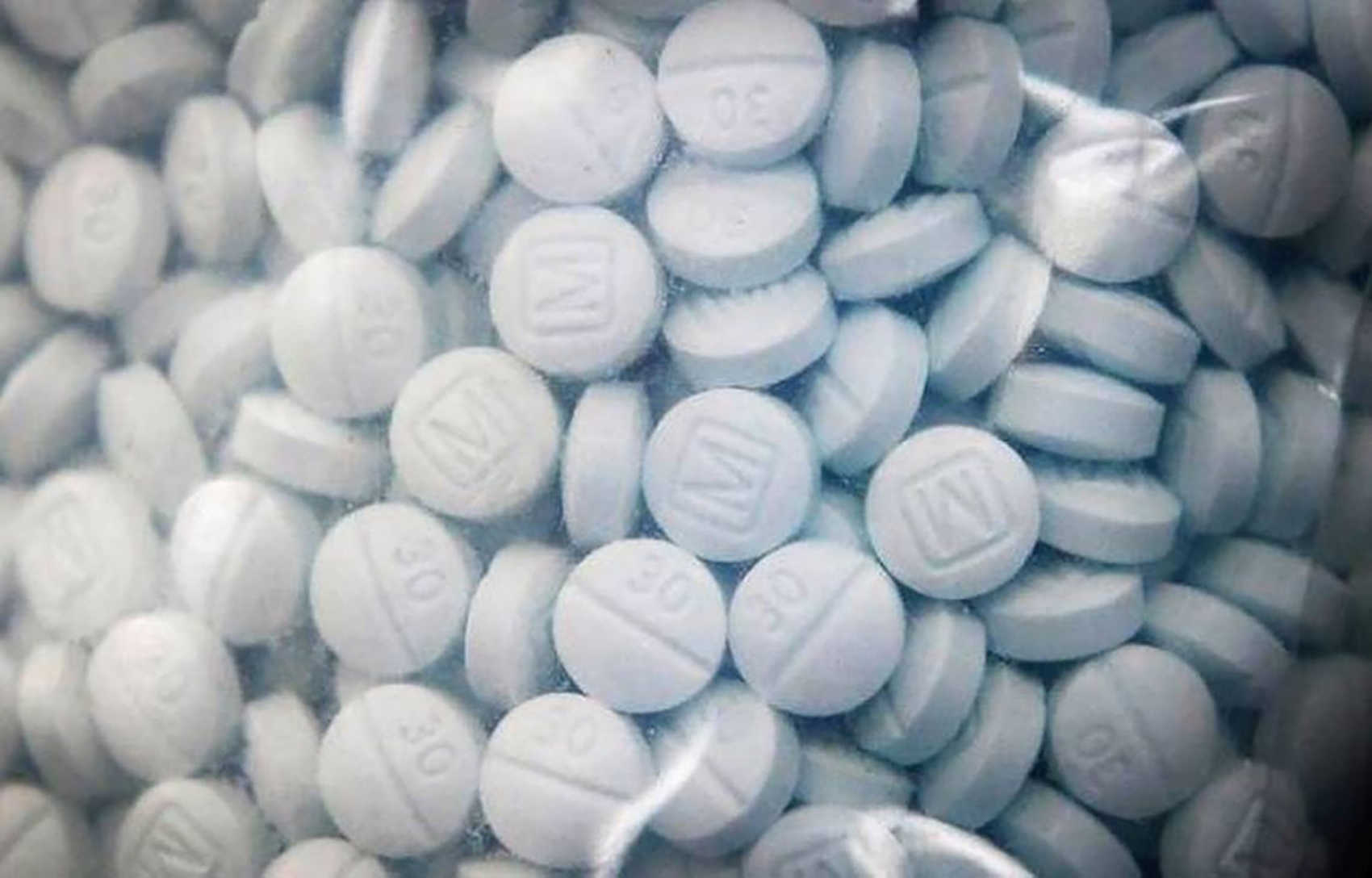
President Donald Trump on December 15 signed an executive order designating illicit fentanyl and its core precursor chemicals as weapons of mass destruction, formally reframing the opioid crisis as a national security threat and directing a more aggressive federal response.

The order asserts that fentanyl’s lethality rivals that of chemical weapons, noting that as little as two milligrams can be fatal. In remarks accompanying the order, Trump said fentanyl kills roughly 300,000 Americans each year, adding that this figure reflects only the deaths the government knows about. The administration argues that fentanyl trafficking fuels violent criminal organizations and destabilizes communities across the United States.
While fentanyl remains classified as a controlled substance under existing drug laws, the executive order is intended to expand how the federal government approaches enforcement. The directive treats the production, distribution, and financing of illicit fentanyl and its precursors as mass-harm activity, aligning the response more closely with counterterrorism and weapons-related frameworks.
Federal health data underscores the scale of the crisis. According to official statistics, the United States recorded more than 107,000 drug overdose deaths in 2022, with synthetic opioids such as fentanyl accounting for the majority of those fatalities. Public health officials have consistently identified fentanyl as the leading driver of overdose deaths nationwide.
Under the order, the Attorney General is instructed to intensify investigations and prosecutions connected to fentanyl trafficking and precursor supply chains. The Secretaries of State and Treasury are directed to target related assets and financial networks, while the Department of Defense is tasked with coordinating with the Justice Department on resource support under existing legal authorities.
The directive also calls for updates to interagency and military preparedness, including integrating weapons-of-mass-destruction intelligence into counter-fentanyl operations and updating directives related to chemical incident response. The administration says these steps are meant to strengthen coordination across federal agencies.
The order ties into the administration’s broader posture toward the Caribbean and Latin America, including Venezuela. Trump has accused the government of President Nicolás Maduro of collaborating with criminal organizations, including the Cartel de los Soles, which the United States recently designated as a foreign terrorist organization. Administration officials have linked the designation to wider efforts aimed at disrupting transnational criminal networks operating in the hemisphere.
While no specific new actions against Venezuela were announced alongside the order, the WMD designation potentially expands the legal and enforcement tools available if fentanyl trafficking is linked to foreign state actors or terrorist organizations.
Critics of the approach argue that labeling fentanyl as a weapon of mass destruction risks prioritizing enforcement and military-style responses over addiction treatment and prevention. Public health experts have warned that enforcement-heavy strategies may divert resources from addressing the medical and social dimensions of substance abuse.
The executive order does not alter existing drug schedules but signals a shift in how the administration frames and coordinates the federal response. Officials have not provided a detailed timeline for implementation, though agencies are expected to begin interagency coordination immediately.

Congressional oversight committees have requested briefings on the order.


Advertisements