

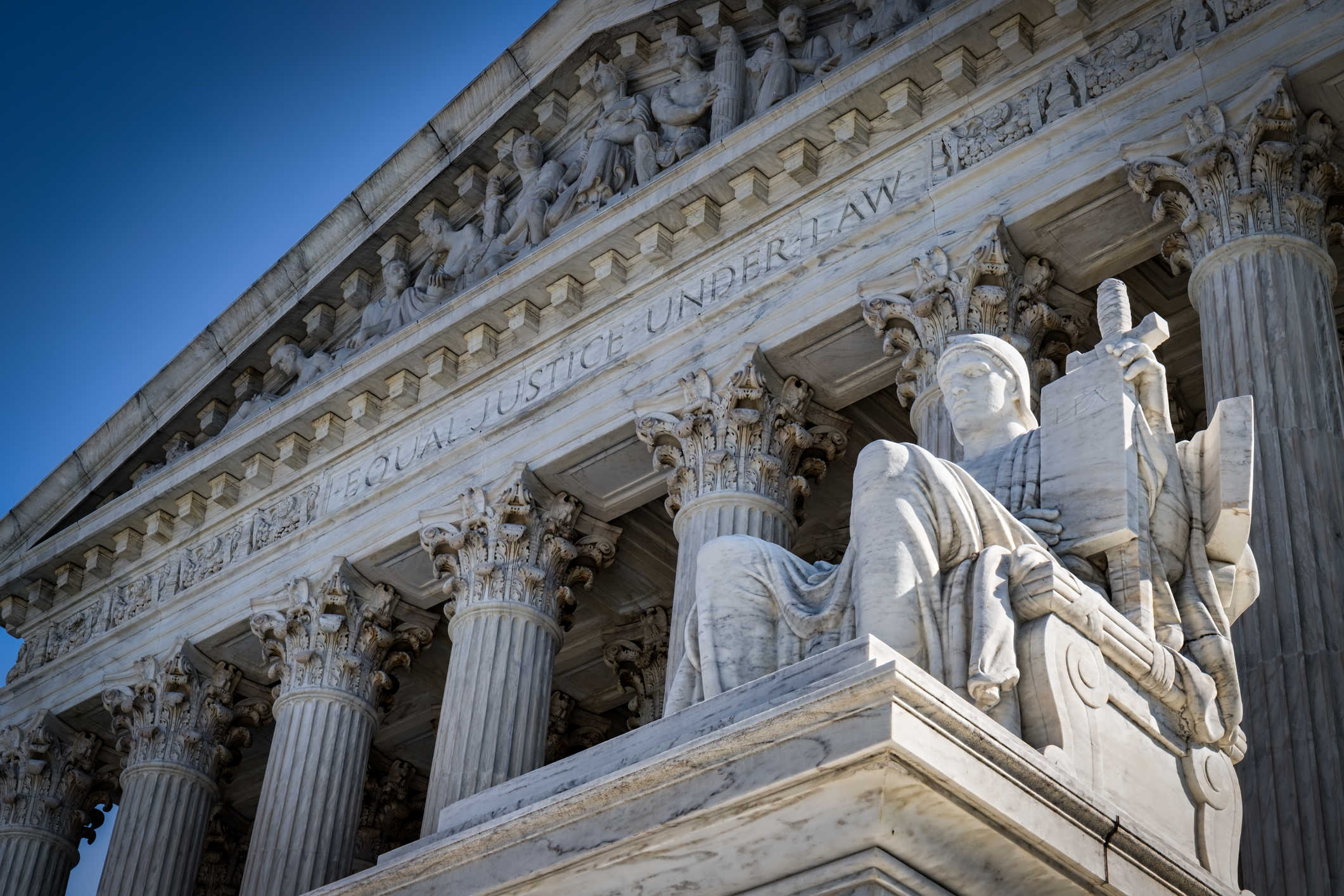
The U.S. Supreme Court issued an emergency order on Wednesday, temporarily blocking the Trump administration from proceeding with widespread reductions in force (RIFs) for federal employees during the ongoing government shutdown, providing a brief reprieve for thousands facing job loss.

The shadow docket decision lifted a lower court injunction that had initially paused the layoffs but allowed the administration to resume them pending further review, only to now reinstate the block while appeals play out. Chief Justice John Roberts did not provide a detailed rationale, but the unsigned order emphasized the need for "judicial consideration of the statutory limits on executive action during funding lapses." The ruling affects an estimated 10,000 workers across more than 30 agencies, where notices had already been issued last Friday, marking a sharp escalation from traditional furloughs in prior shutdowns.
The legal battle stems from a lawsuit filed last week by the American Federation of Government Employees (AFGE) and the American Federation of State, County, and Municipal Employees (AFSCME), challenging a September Office of Management and Budget (OMB) memo that urged agencies to use the shutdown as leverage for permanent cuts in programs misaligned with President Trump's priorities.
U.S. District Judge Susan Illston in San Francisco granted a temporary restraining order earlier Wednesday, ruling the RIFs "both illegal and in excess of authority" because they involve non-essential activities barred under the Antideficiency Act during funding gaps. Illston's order prohibited agencies from "taking any action to issue any reduction-in-force notices to federal employees during or because of the federal government shutdown," and required a list of all RIF plans within two business days. The Justice Department swiftly appealed, arguing the district court lacked jurisdiction over unconsummated plans.
The Supreme Court's intervention follows a similar pattern from earlier this year, when it overturned Illston's separate injunction against pre-shutdown RIFs directed by OMB and the Office of Personnel Management, allowing those cuts to proceed. In oral arguments before the high court in July, conservative justices appeared skeptical of broad judicial interference in executive workforce decisions, but Wednesday's order signals a narrower focus on shutdown-specific violations. Justice Sonia Sotomayor, joined by Justices Elena Kagan and Ketanji Brown Jackson, issued a statement concurring in part but noting "the human cost of these abrupt terminations cannot be tolerated without full evidentiary review." The administration, through OMB Director Russ Vought, defended the RIFs as essential for fiscal discipline, estimating they target redundant roles in areas like climate research and education grants.
Affected agencies span the executive branch, with the heaviest impacts at the Environmental Protection Agency (EPA), where over 1,500 positions in enforcement and regulatory divisions received notices; the Department of Education, facing cuts to 800 staff in student aid processing; and the Department of Commerce, including the Patent and Trademark Office, where 400 employees in regional outreach were slated for separation. Judicial and legislative branches remain largely insulated, with the Administrative Office of the U.S. Courts drawing on reserves to avoid RIFs and congressional offices limited to furloughs of non-essential aides. The shutdown, now in its 15th day, has furloughed 750,000 workers overall, but the RIFs represent a novel tactic, diverging from the 2018-2019 impasse where back pay restored all positions post-resolution.
Unions hailed the Supreme Court's pause as a "vital safeguard," with AFGE President Everett Kelley stating in a press release that "federal workers are not bargaining chips in a political standoff—the law must prevail to protect their livelihoods." Justice Department attorney Elizabeth Hedges, during Tuesday's hearing, had demurred on the merits, insisting she was "not prepared to address" legality and redirecting to venue arguments, a stance that drew Illston's rebuke: "The Trump administration is leveraging the shutdown to declare 'the laws don't apply to them anymore,' ... they can't do that." Economists at the Brookings Institution project the block could avert $500 million in immediate severance costs, though prolonged uncertainty risks talent exodus from civil service.

The case heads full briefing in the Ninth Circuit, with the ruling injecting urgency into stalled shutdown talks. Democrats demand subsidies for Affordable Care Act enrollees in, while Republicans push for a clean continuing resolution. House Speaker Mike Johnson, addressing reporters on Capitol Hill, called the decision "a temporary setback in our efficiency drive," but reiterated commitment to ending the impasse without "explosive" add-ons. The Supreme Court's order extends the lower court's injunction for 14 days, buying time for evidentiary hearings, but leaves open the possibility of renewed appeals. Official filings from the courts and OMB updates remain the authoritative guides amid the evolving crisis.