




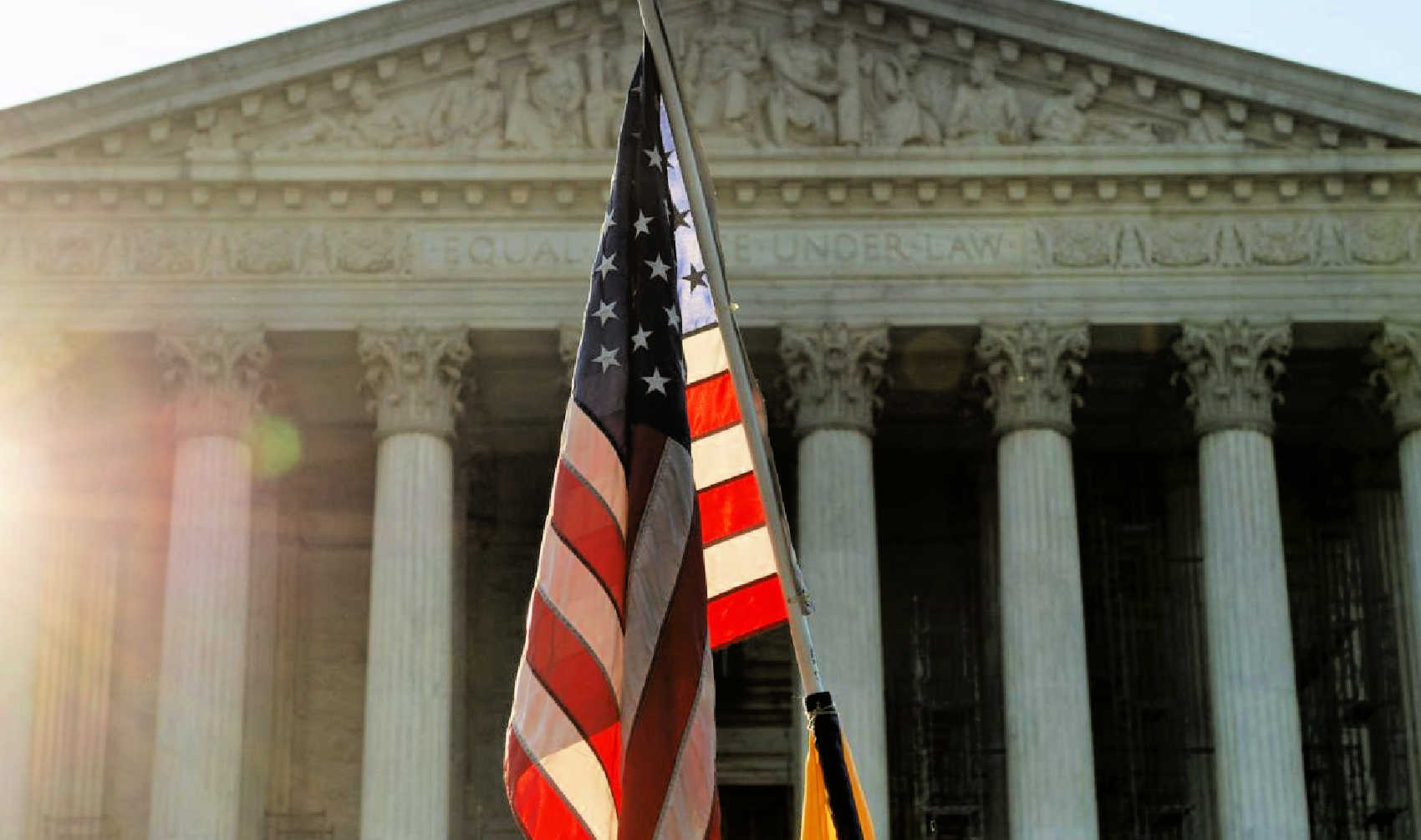
The U.S. Supreme Court on Monday granted the Trump administration’s request to terminate Temporary Protected Status (TPS) for approximately 350,000 Venezuelans, overturning a lower court’s injunction that had preserved these protections. TPS, a humanitarian program, shields eligible immigrants from deportation and grants work permits when their home countries face crises like war, natural disasters, or political instability.

The Court’s decision, with only Justice Ketanji Brown Jackson dissenting, allows the administration to proceed with ending TPS for Venezuelans while legal challenges continue in lower courts. This ruling does not directly address TPS for other groups, such as Haitians or Afghans, though similar efforts to terminate their protections are underway.
The Supreme Court’s ruling stems from the Trump administration’s broader push to curtail immigration protections, including TPS designations for several countries. For Venezuelans, who fled economic collapse and political repression under the Maduro regime, the loss of TPS could lead to deportation and the revocation of work authorizations. Many have built lives in the U.S., contributing to communities and the economy, often in low-wage but essential jobs. The decision creates immediate uncertainty for these individuals, as their legal status now hinges on ongoing litigation and potential administrative actions.
While the ruling specifically targets Venezuelans, it signals potential challenges for other TPS beneficiaries. The Trump administration has announced plans to end TPS for Haitians (set to expire in August 2025), as well as for immigrants from Afghanistan, Cameroon, and other nations, affecting tens of thousands more. These terminations face separate legal battles, with advocacy groups arguing that returning individuals to unsafe or unstable countries violates humanitarian principles. The Supreme Court’s decision may embolden the administration’s efforts, though lower courts could still issue injunctions to delay or block further TPS terminations.

For impacted Venezuelans, the ruling disrupts lives and livelihoods. Many face the prospect of returning to a country grappling with hyperinflation, food shortages, and political violence. Community organizations and immigration advocates have criticized the decision, urging Congress to create a permanent pathway to residency for TPS holders. Some lawmakers have proposed legislation to secure such protections, but partisan gridlock has stalled progress. The uncertainty leaves families, employers, and communities bracing for the potential fallout of mass deportations.


Advertisements