




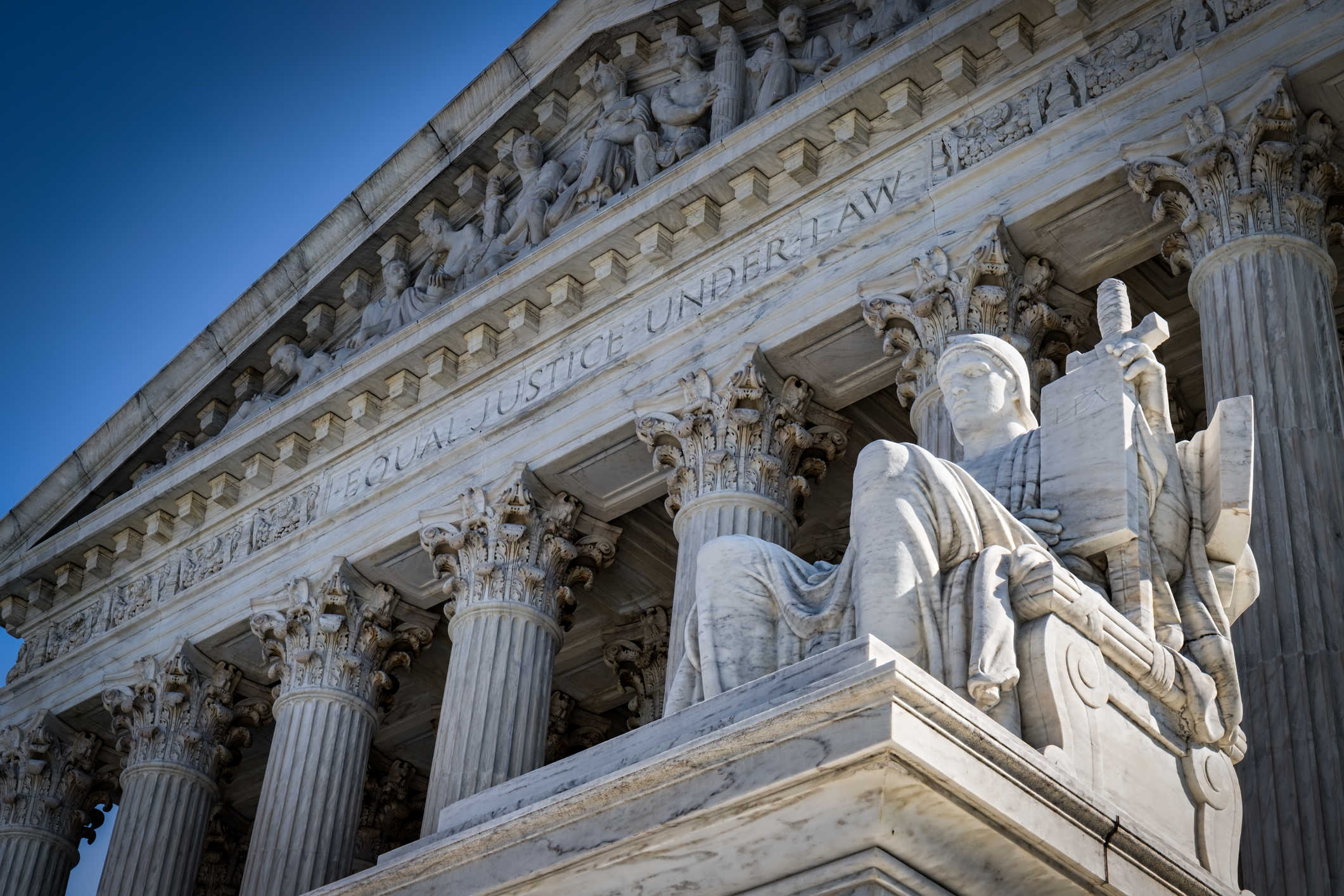
The U.S. Supreme Court issued an emergency order on March 2, siding with a group of California parents and temporarily blocking state policies that prevent public schools from notifying families when students socially transition or request different names and pronouns.

In a 6–3 decision divided along ideological lines, the Court reinstated a federal district court injunction that prohibits California schools from “misleading parents about their children’s gender presentation” or disregarding parental instructions concerning names and pronouns. The unsigned majority opinion stated that the parents are likely to succeed on claims that the policies violate their rights under the First Amendment’s free exercise clause and the 14th Amendment’s protection of parental authority to direct the upbringing and education of their children.
The case, Mirabelli v. Bonta, was brought by religious parents and teachers challenging California’s 2024 law and related school guidelines. Those policies generally prohibit educators from disclosing a student’s gender identity, social transition, or preferred pronouns to parents without the student’s consent. The guidelines were designed to protect LGBTQ students from potential family rejection.
A federal district judge in San Diego blocked the policies in late 2025. However, the U.S. Court of Appeals for the 9th Circuit stayed that ruling while the appeal moved forward. The Supreme Court overturned that stay after the parents filed an emergency application.

In its order, the majority cited longstanding precedent that “parents—not the State—have primary authority with respect to the upbringing and education of children,” including decisions involving mental health. The Court applied strict scrutiny to the California policies, concluding that they substantially interfere with parents’ ability to guide their children’s religious development and that the state’s interest in student safety and privacy did not justify the restrictions at this stage of the litigation.
The Court declined to grant relief to the teacher plaintiffs on separate claims.
California officials argued that the guidelines were crafted to balance support for transgender students with parental rights in appropriate circumstances. As of the ruling, the state had not announced its next steps. The emergency order does not represent a final decision on the merits and applies only while the case continues.
Liberal justices dissented from the order, though no full dissenting opinion was issued at the time.
The decision is being described as a significant interim victory for parental rights advocates, who called it one of the most consequential rulings on the issue in a generation. For now, the district court’s injunction remains in effect statewide, requiring California public schools to defer to parents’ wishes regarding their children’s gender expression at school unless the injunction is later lifted.

The underlying lawsuit will continue in the lower courts, and legal observers note that the Court’s reasoning builds on prior precedents affirming parental authority and may influence similar disputes in other states.