

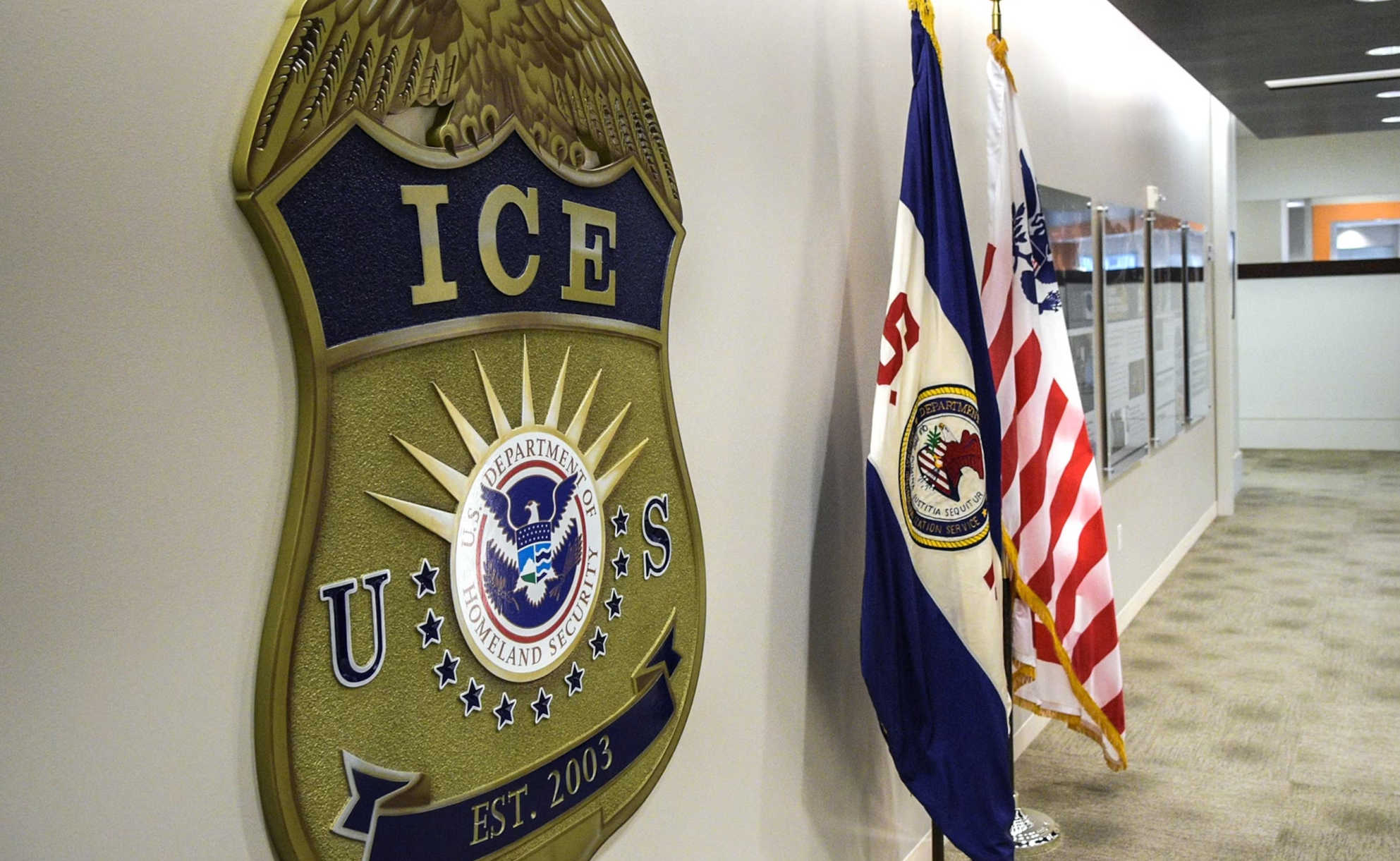
A partial federal government shutdown entered its second weekend after Congress failed to complete work on a set of annual spending bills, setting up a high-stakes return to the House this week as lawmakers try to keep most agencies running while a separate fight over Department of Homeland Security funding and immigration enforcement reforms plays out on a two-week clock.

The standoff centers on a Senate-approved compromise that would fund five of the six appropriations measures the House sent over, keeping the Departments of Defense, Labor, Health and Human Services, Education, State, Transportation, Housing and Urban Development, and related agencies funded through September. But the plan strips out full-year DHS funding and replaces it with a short-term extension, leaving broader homeland security and immigration enforcement policy to be negotiated separately.
Democrats say they will not support longer-term DHS funding without changes to federal immigration enforcement tactics following the deaths of two U.S. citizens in Minneapolis during an incident involving federal agents. Republicans, including House Speaker Mike Johnson, have pushed back on several Democratic demands and argue that some proposals could put agents at greater risk.
The Senate acted first. On Friday, it passed the five-bill package while setting DHS aside for two weeks of negotiations, a move that allowed most government operations to continue if the House follows suit. But because the House was not in session to take up the Senate’s revised approach before existing funding lapsed, large portions of the government entered a partial shutdown over the weekend.
Under shutdown procedures, agencies whose appropriations have lapsed begin operating under shutdown plans, with many essential functions continuing while some employees may be furloughed or required to work without immediate pay. Administration guidance has been issued across affected departments as Congress works to restore funding.
Democratic leaders have framed the two-week DHS delay as leverage to force changes they say are necessary for transparency and accountability in immigration enforcement. They are demanding that agents wear body cameras, stop wearing identity-obscuring masks, and end roving patrols that they say have resulted in people being “snatched off the street.” “They shouldn’t expect our votes if they’re not willing to go along with strong legislation,” Senate Minority Leader Chuck Schumer said Friday.
House Minority Leader Hakeem Jeffries signaled over the weekend that Democrats would not help Republicans fast-track the Senate package through the House under a procedure that requires a two-thirds vote. “We need a full and complete debate,” Jeffries said Saturday. “House Republicans…cannot simply move forward with legislation taking a ‘my way or the highway’ approach.”
That position effectively forces Speaker Johnson to use the standard legislative process, routing the measure through the House Rules Committee before it can reach the floor. Johnson has said he expects the shutdown to be brief and expressed confidence that the House can clear the bills quickly once members return. “We’ll get all this done by Tuesday, I’m convinced,” he told Fox News on Sunday.
Republicans, however, have also raised concerns about the Democratic reform demands, particularly calls to restrict agents’ use of masks. Johnson has argued that masks are used to protect agents’ identities and their families, a point Republicans have emphasized as they resist proposals they say could expose officers to retaliation.
The House’s next steps will determine how long the partial shutdown lasts and whether the two-week DHS window turns into a broader confrontation over immigration enforcement. For now, the Senate’s approach sets up two parallel tracks: one to restore funding for most agencies and reopen shuttered operations, and another to negotiate DHS terms that can secure enough votes to avoid another deadline-driven crisis in two weeks.



Advertisements