




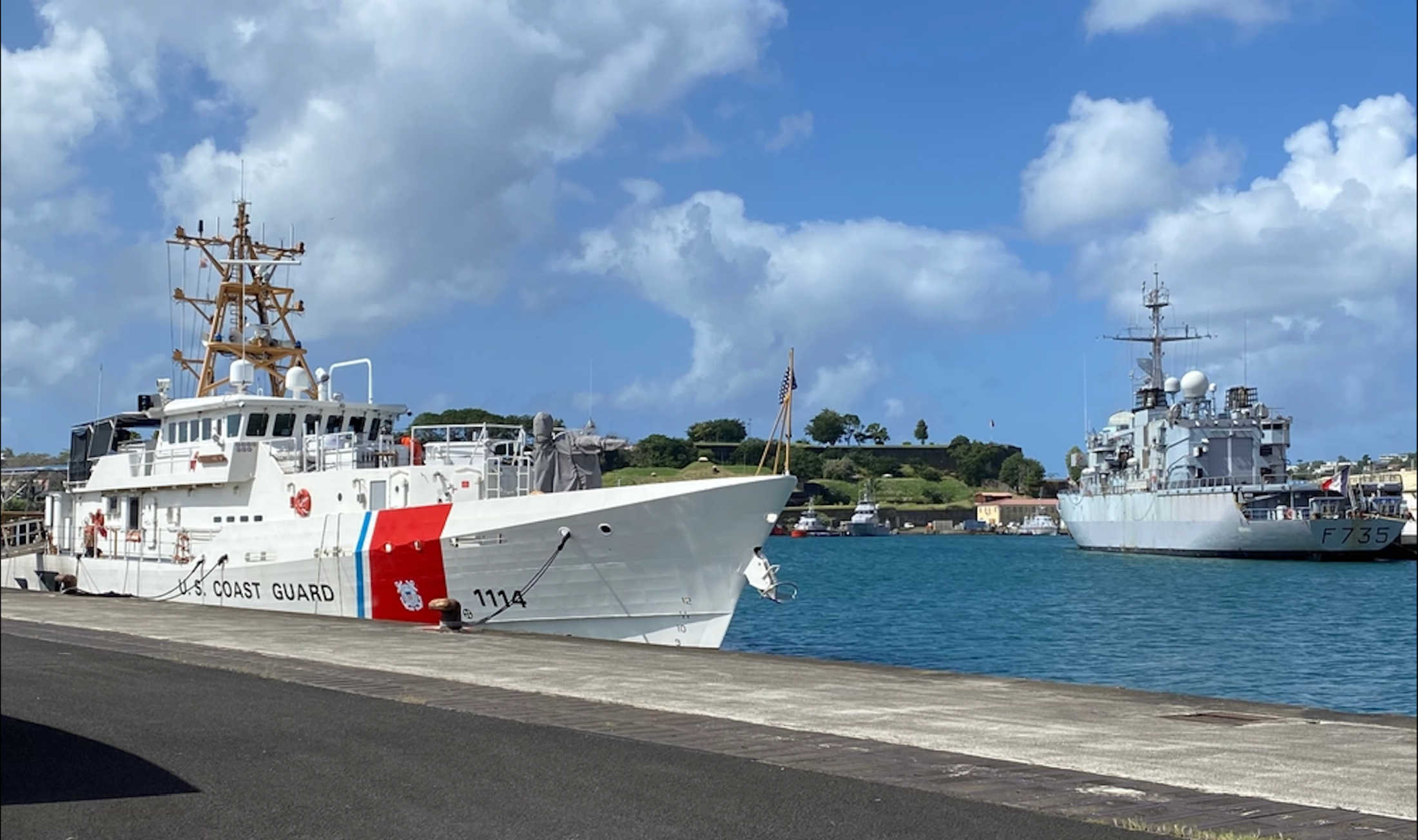
ST. THOMAS — A federal judge has dismissed a $5 million lawsuit brought by Jerome Nibbs over the 36 days he spent detained aboard U.S. Coast Guard cutters after a suspected cocaine-smuggling vessel was intercepted near St. Thomas in June 2022.

U.S. District Judge María Antongiorgi-Jordán granted summary judgment to the federal government, acknowledging what she described as the “extraordinary discomfort” Nibbs endured but concluding that maritime law did not allow him to recover damages for emotional distress under the circumstances. The case was dismissed with prejudice.
The episode began June 16, 2022, when Coast Guard personnel intercepted a vessel about 25 nautical miles from St. Thomas after observing its occupants jettison approximately 30 packages. Three packages were recovered and contained about 90 kilograms of cocaine. Separate criminal proceedings estimated that the original load could have approached 900 kilograms.
Nibbs and two other men were detained while U.S. authorities worked through jurisdictional issues involving the British Virgin Islands and the United Kingdom. The vessel’s master had claimed BVI nationality, prompting a diplomatic process before the detainees could be brought into U.S. territory. British authorization was ultimately secured, and Nibbs was taken ashore in Puerto Rico and presented before a magistrate judge on July 22 — 36 days after the interdiction.
During that period, Nibbs remained aboard Coast Guard vessels, at times restrained on deck beneath a tarp and exposed to rain, sun and sea spray. Court records say he ate primarily rice and beans, bathed using a hose and used an on-deck toilet with limited privacy. He later sued the federal government, seeking $5 million for emotional pain, anguish and psychiatric harm rather than physical injuries.
That distinction became central to the ruling. Judge Antongiorgi-Jordán found that maritime law governed the dispute and that claims for negligent infliction of emotional distress generally require either a qualifying physical impact or proof that the person was placed in immediate danger of physical harm.
Nibbs did not claim that he feared imminent physical injury, and the court found no evidence that he had been physically assaulted, dangerously dehydrated or otherwise placed in the type of immediate physical danger required under the governing legal standard. His complaints instead centered on discomfort, humiliation and the conditions of his detention.
The judge stressed that the ruling did not mean the conditions were insignificant. She described the 36-day process of getting Nibbs ashore as “extraordinarily long” and expressed sympathy for the conditions he endured. But she concluded that existing maritime law did not provide a damages remedy for the kind of emotional injury he alleged.

The civil case stemmed from criminal proceedings against Nibbs and two co-defendants following the St. Thomas-area interdiction. An earlier indictment was dismissed without prejudice in 2024 over a federal Speedy Trial Act violation, allowing prosecutors to bring the charges again. Nibbs was later reindicted and convicted on maritime drug-trafficking charges.