

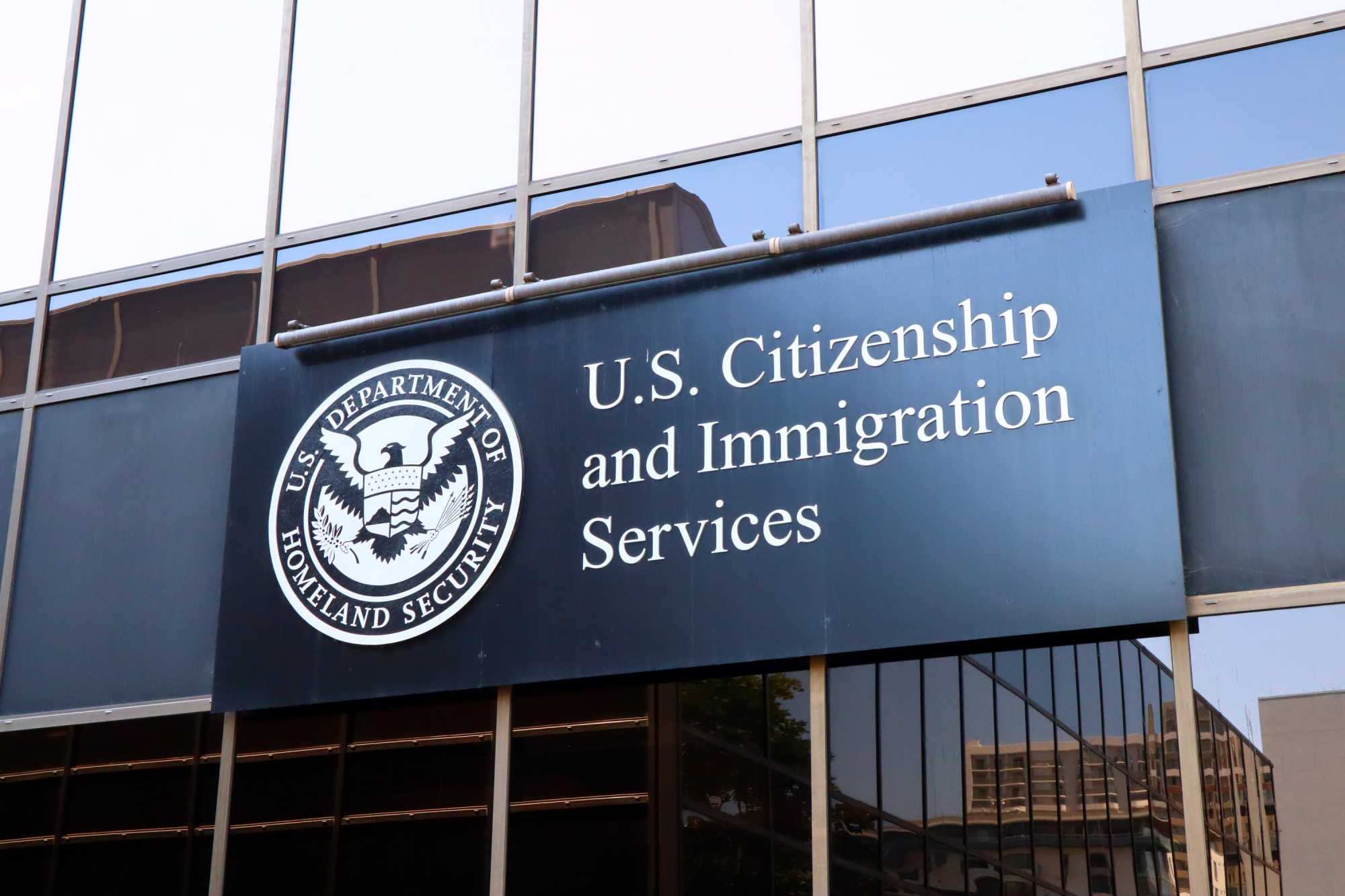
In the closing weeks of 2025, the Trump administration has indicated a significant escalation in immigration enforcement efforts, with a renewed focus on revoking U.S. citizenship from individuals who authorities allege obtained it improperly. The shift represents a sharp departure from prior practice and signals an intensified approach to scrutinizing the naturalization process as the administration moves toward fiscal year 2026.

According to internal documents from U.S. Citizenship and Immigration Services, federal agencies are preparing to dramatically expand the number of denaturalization cases pursued each month. Beginning in fiscal year 2026, USCIS plans to initiate between 100 and 200 cases monthly. Historically, the federal government averaged roughly 11 denaturalization cases per year, making the projected increase a substantial change in enforcement scale and priorities.
The initiative is not entirely new, but rather builds on groundwork laid earlier in 2025. Central to that foundation is a memorandum issued on June 11, 2025, by the Department of Justice’s Civil Division. The memo directs U.S. attorneys nationwide to increase efforts against naturalized citizens accused of serious offenses, including terrorism-related activities and various forms of fraud. The document emphasizes closing perceived gaps in the system where citizenship may have been granted despite disqualifying conduct or misrepresentations.
Federal authorities point to existing law as the basis for these actions. Under 8 U.S.C. § 1451(a), the government may seek denaturalization if citizenship was obtained illegally or through the concealment of material facts or deliberate false statements. This legal framework applies in cases where an individual was allegedly ineligible for naturalization at the time it was granted, including circumstances involving insufficient moral character, failure to meet residency requirements, or improper entry into the United States.
The Justice Department memorandum outlines ten priority categories intended to guide how resources are allocated in denaturalization cases, while also noting that the list is not exhaustive. The first category focuses on individuals considered threats to national security, including those with alleged ties to terrorism, espionage, or the unauthorized disclosure of sensitive or classified information. The second category includes individuals connected to torture, war crimes, or other serious human rights violations.
The third priority area targets involvement in or support for gangs, transnational criminal organizations, or drug trafficking operations. The fourth covers serious criminal conduct that was not disclosed during the naturalization process. Fifth on the list are offenses involving human smuggling, sexual misconduct, or acts of violence. The sixth category addresses financial fraud schemes involving federal programs, including misconduct related to Paycheck Protection Program loans or health care billing.
Additional priorities extend to fraud against private individuals, investors, or businesses, which make up the seventh category. The eighth includes cases involving public corruption, deception, or significant omissions that do not clearly fall within the earlier groupings. The ninth category captures cases referred by local U.S. attorneys or those connected to ongoing prosecutions that do not align with the previous categories. Finally, the tenth category allows for any other cases the Civil Division deems appropriate for denaturalization action.
While the memorandum encourages expanded enforcement, it does not alter the underlying legal definitions of misconduct and is described as consistent with long-standing USCIS policy. Officials have emphasized that denaturalization actions will be based on evidence and conducted within the existing statutory framework, with the stated aim of preserving the integrity of the citizenship process.

The policy shift has prompted varied reactions. Advocacy organizations focused on immigrant rights have expressed concern that the broader scope of enforcement could extend beyond individuals accused of serious wrongdoing, potentially creating fear and uncertainty among naturalized citizens who obtained citizenship lawfully. Supporters of the initiative, however, argue that it is a necessary step to ensure adherence to immigration law and to protect the legal standards governing U.S. citizenship.


Advertisements