




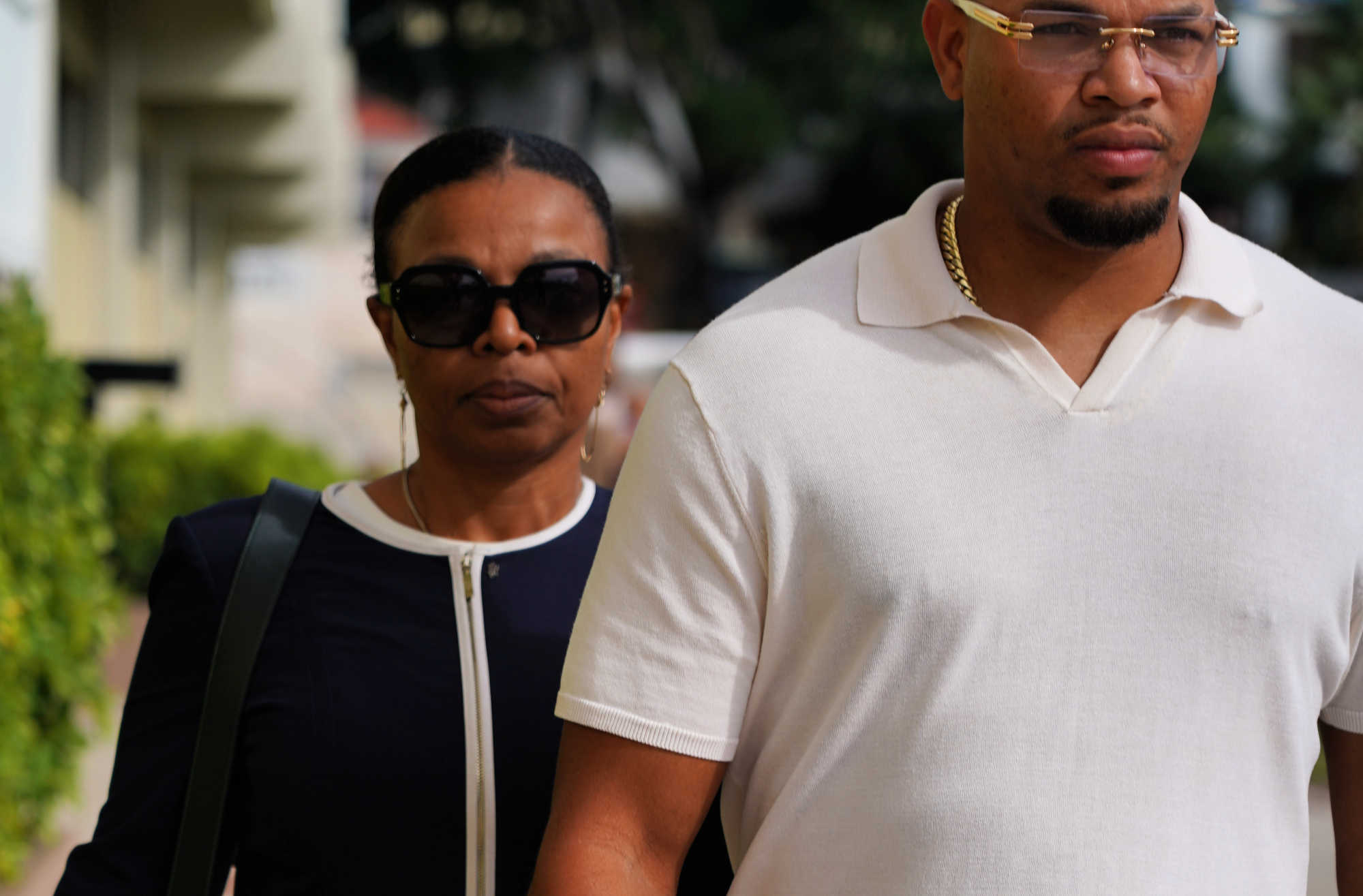
With convictions already entered in a federal corruption case involving former Police Commissioner Ray Martinez and former Office of Management and Budget official Jenifer O’Neal, the court has now moved the matter into its final phase by assigning firm sentencing dates and laying out the briefing schedule that will precede those hearings.

According to a recent court order issued by U.S. District Judge Mark Kearney, sentencing for Martinez will take place at 9 a.m. on June 9, 2026, while O’Neal is scheduled to appear before the court at 9 a.m. on June 11, 2026. The order replaces an earlier, non-binding indication that sentencing would occur sometime in June 2026, which had not included specific dates.
Before those hearings occur, both defendants must submit sentencing memoranda outlining the factual and legal arguments they intend to present. The filings are required to address applicable provisions of the U.S. Sentencing Guidelines and must also identify any unresolved motions, including those related to potential preliminary orders of forfeiture, if such relief is being sought.
The court set distinct filing windows tied to each defendant’s sentencing date. Martinez’s submissions are due during the period between May 26 and June 2, 2026, with any responses required to be filed no later than June 5, 2026. O’Neal’s sentencing memoranda must be filed from May 27 through June 3, 2026, and responses to those filings are due by June 8, 2026.
These deadlines define the final procedural roadmap leading into sentencing, when the court will weigh the parties’ written submissions, consider any forfeiture-related issues raised, and apply the advisory sentencing framework before imposing sentence.

The case stems from a federal corruption prosecution that included extensive witness testimony, documentary evidence, and legal arguments scrutinizing the conduct of senior government officials. The trial and its aftermath have been closely followed locally due to the positions once held by the defendants and the broader questions raised about public trust, accountability, and government operations in the Virgin Islands.