




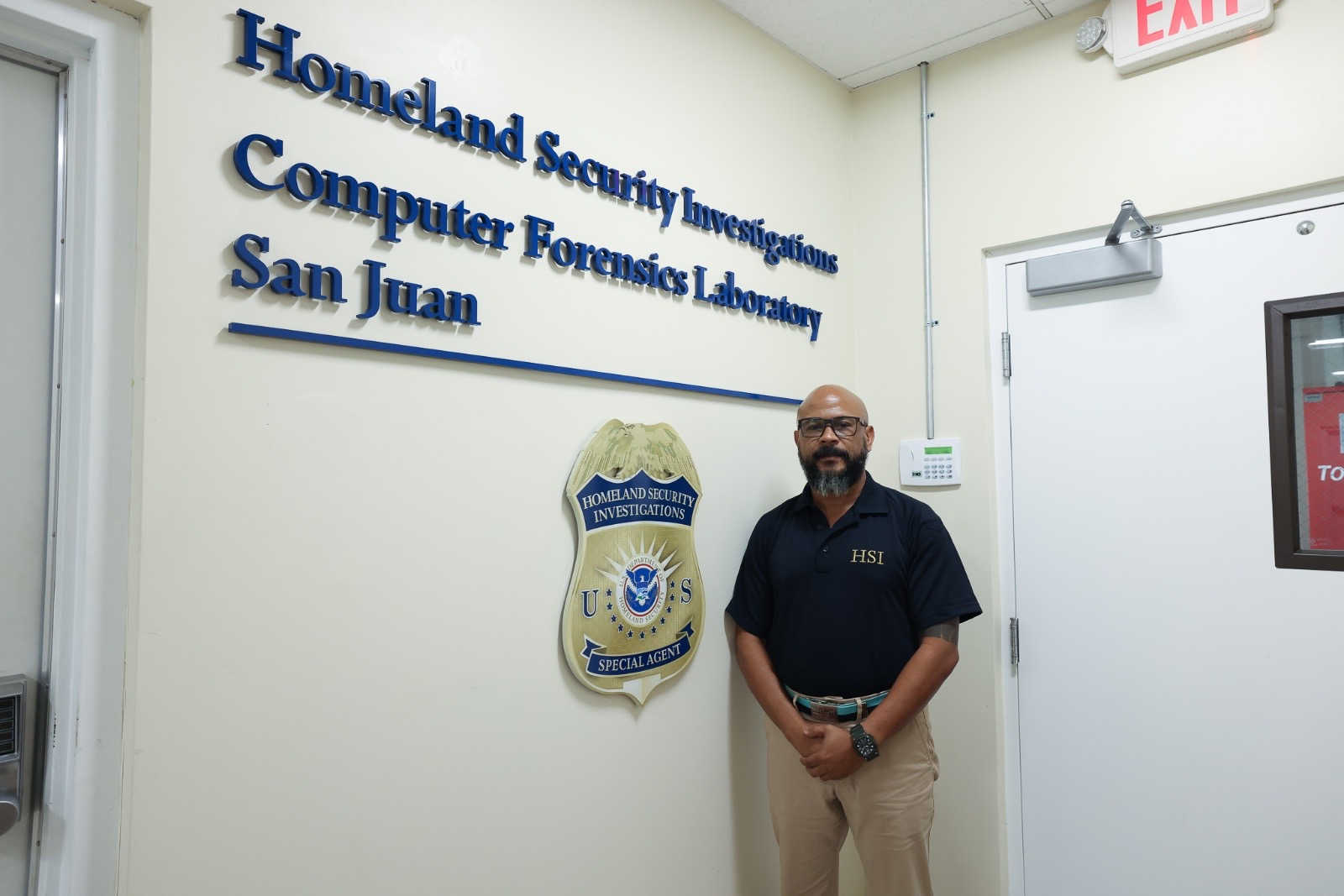
After completing his service in the United States Army, Benjamin Rosario decided that his commitment to serving the country would continue — only this time, his battlefield would be digital.

Mr. Rosario is now a computer forensic analyst with the Human Exploitation Rescue Operation, or HERO, Child-Rescue Corps program within Homeland Security Investigations. Speaking with Consortium journalists on Wednesday, he described how veterans are being retrained to examine electronic devices seized in child exploitation investigations, trace the movement of illegal material and help investigators build cases against suspected offenders.
“We still have the commitment, we still have the loyalty, we still have the selfless service,” Mr. Rosario said, explaining why the transition appealed to him. “Before [it] was for the military, but now it’s for the whole nation, for the whole population, for the whole citizen….This is our new mission.”
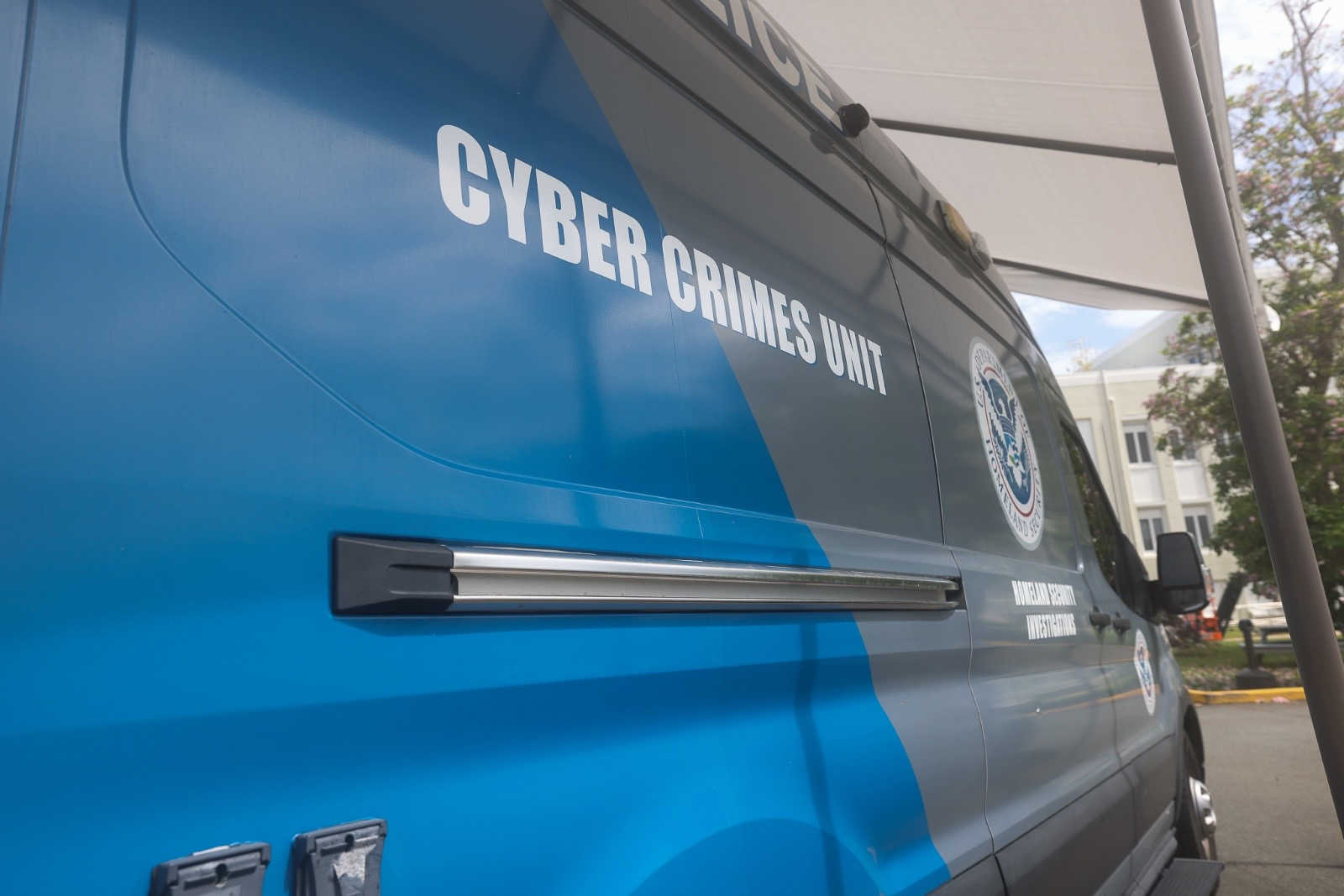

First established through the HERO Act of 2015 during the Obama administration and expanded into a Department of Homeland Security-wide program two years later, the initiative recruits veterans and trains them as computer forensic analysts, or CFAs. Their work includes processing mobile phones, computers and other electronic devices seized during investigations involving the exploitation of children.
Mr. Rosario works from HSI’s computer forensics laboratory in Puerto Rico, which he described as the only such facility in the Caribbean. Puerto Rico, he said, is “kind of the hub for all this contraband and all this stuff,” giving the laboratory a role that extends far beyond any single agency or jurisdiction. “We have the capabilities to help not just the FBI, DEA, HDF, U.S. Postal Service, but also the local state government or the state police. That’s what makes this lab a unique place.”
Requests for assistance come from federal and local agencies in the United States as well as investigators elsewhere in the Caribbean and beyond, according to Mr. Rosario. “We’ve done cases from Colombia, also from the Dominican Republic, also from Miami. We’ve been getting evidence…also from the Bahamas,” he said.
Once a device reaches the laboratory, Mr. Rosario’s responsibilities include extracting its data, identifying photographs or videos depicting the sexual exploitation or assault of children and tracing, where possible, how that material reached the device and where the user subsequently transmitted it.
The volume of evidence passing through the Puerto Rico laboratory is substantial. Mr. Rosario said that during the current fiscal year, his team has worked on approximately 550 cases involving more than 1,100 electronic devices and nearly 600 terabytes of data.
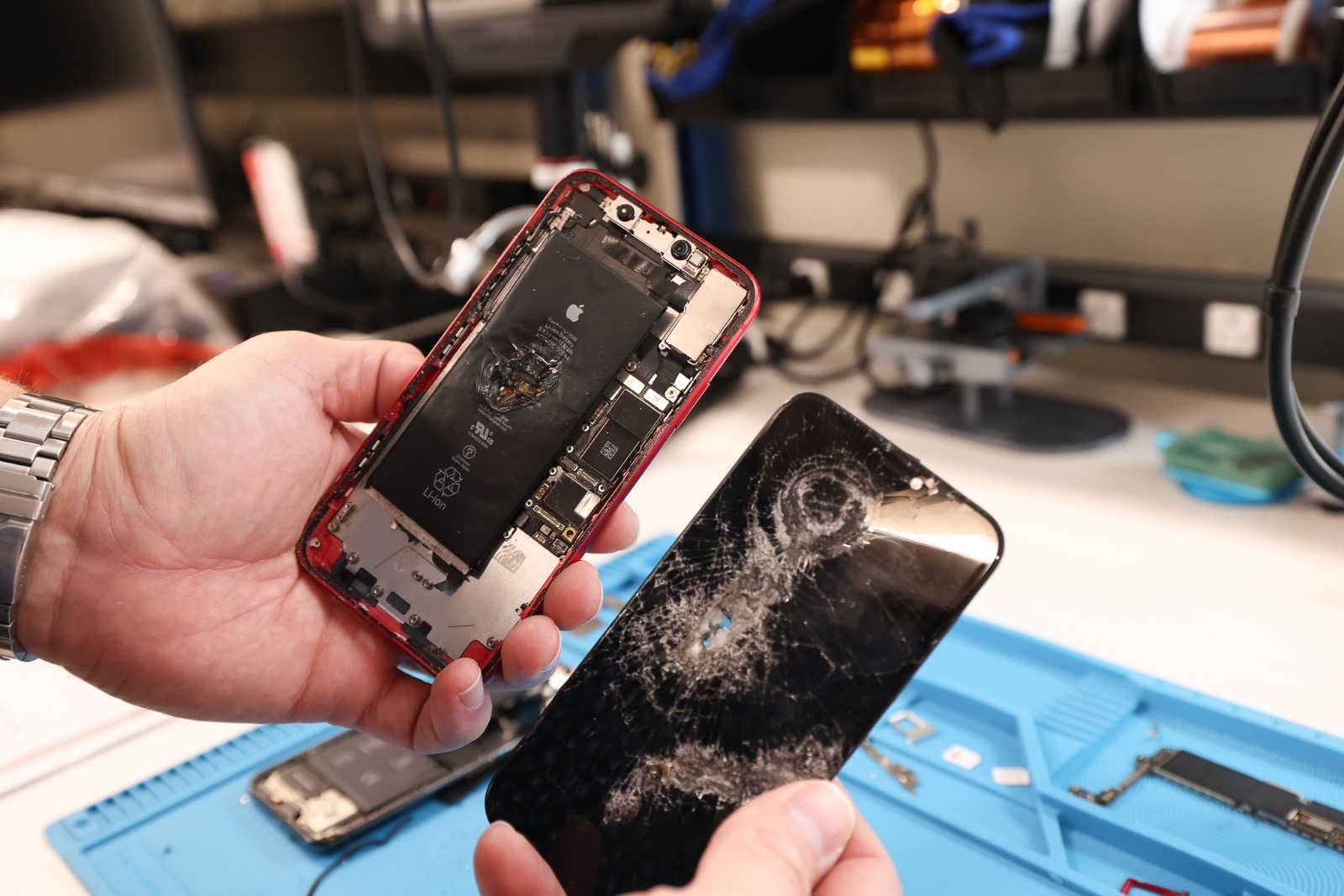
A damaged mobile phone is opened for examination inside Homeland Security Investigations’ San Juan Computer Forensics Laboratory, where analysts recover and process digital evidence from seized devices.
He could not immediately say how many of those cases had ultimately resulted in convictions, noting that criminal proceedings can take as long as five years to move through the courts. He nevertheless stressed that the forensic work conducted by the laboratory supports prosecutions involving some of the most serious crimes investigators encounter.
“I’m a father of two daughters,” Mr. Rosario said when discussing why he chose to work in a field that requires repeated exposure to deeply disturbing material.
Coping With the Psychology Toll
Mr. Rosario said HERO analysts receive structured support intended to help them manage the psychological consequences of their work. Each quarter, analysts spend time away from the office and case material while also meeting individually with social workers and psychologists.
“We disconnect from the office and from the jobs, and we just go out and we go to the beach or we go boating, and also we have a one-on-one conversation with the social workers and with the psychologists,” he said.
The forensic software analysts use also helps limit prolonged exposure to disturbing images, according to Mr. Rosario. “The acquisition software that we use, we just have to look at those pictures or videos for just milliseconds,” he explained.
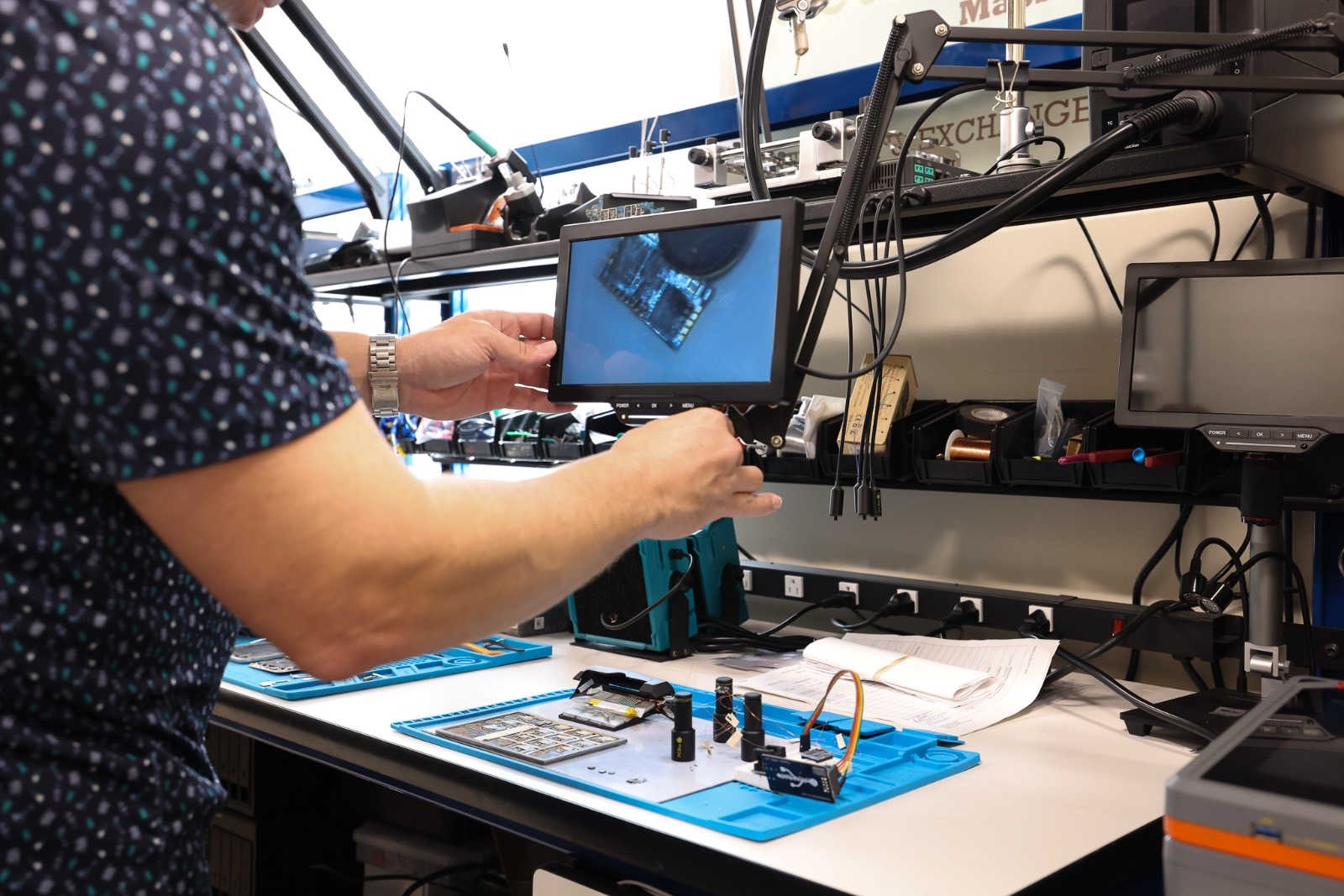 A forensic analyst examines electronic components at Homeland Security Investigations’ San Juan Computer Forensics Laboratory, where seized devices are processed for evidence in child exploitation cases.
His military experience, he said, also prepared him to operate under extreme psychological pressure. “It’s pretty tough, but at the same time, someone has to do this job,” Mr. Rosario said. “Right now we are talking and we have all these pedophiles trying to take away the happiness of all these babies.”
Warning Parents About Digital Risks
With child exploitation cases increasing, Mr. Rosario said the work being performed by HERO analysts is becoming increasingly necessary. He also believes parents and guardians must become far more active in monitoring how children use phones, messaging platforms, gaming systems and other connected devices.
“Go into the Messages app, to the WhatsApp. Go in there. Look for stuff,” he urged. “Go to the secure folders, go to the hidden folders.”
Predators, he said, sometimes instruct children on how to conceal files, messages and folders from parents who perform only a superficial check of a device. “Check every single day your kid’s cell phone,” Mr. Rosario said.
Phones are not the only concern. Video game consoles and other connected devices can also provide channels through which adults communicate with children. “All these devices, they have chat….parents, they need to take control of their kid again,” he said.
Mr. Rosario also urged parents to take children seriously when they report that an interaction with an adult felt unusual or inappropriate. If an adult is discovered behaving improperly with a child, he said families should contact authorities regardless of who the person is.
Taking Prevention Into Schools and Communities
Beyond forensic investigations, Mr. Rosario encouraged Virgin Islands schools, churches and community organizations to connect with DHS and HSI through Project iGuardian, an outreach initiative through which analysts and other child-safety personnel speak directly with young people about online exploitation and how to recognize dangerous behavior.
“We do conferences in schools, churches, no matter what,” he said, describing efforts to teach children how to avoid becoming victims.
For Mr. Rosario, the work represents a continuation of the service that defined his military career, but with a different mission and a different population to protect.

“Every single day that I wake up, I’m like – yeah, today is a beautiful day to catch a predator,” he said.