




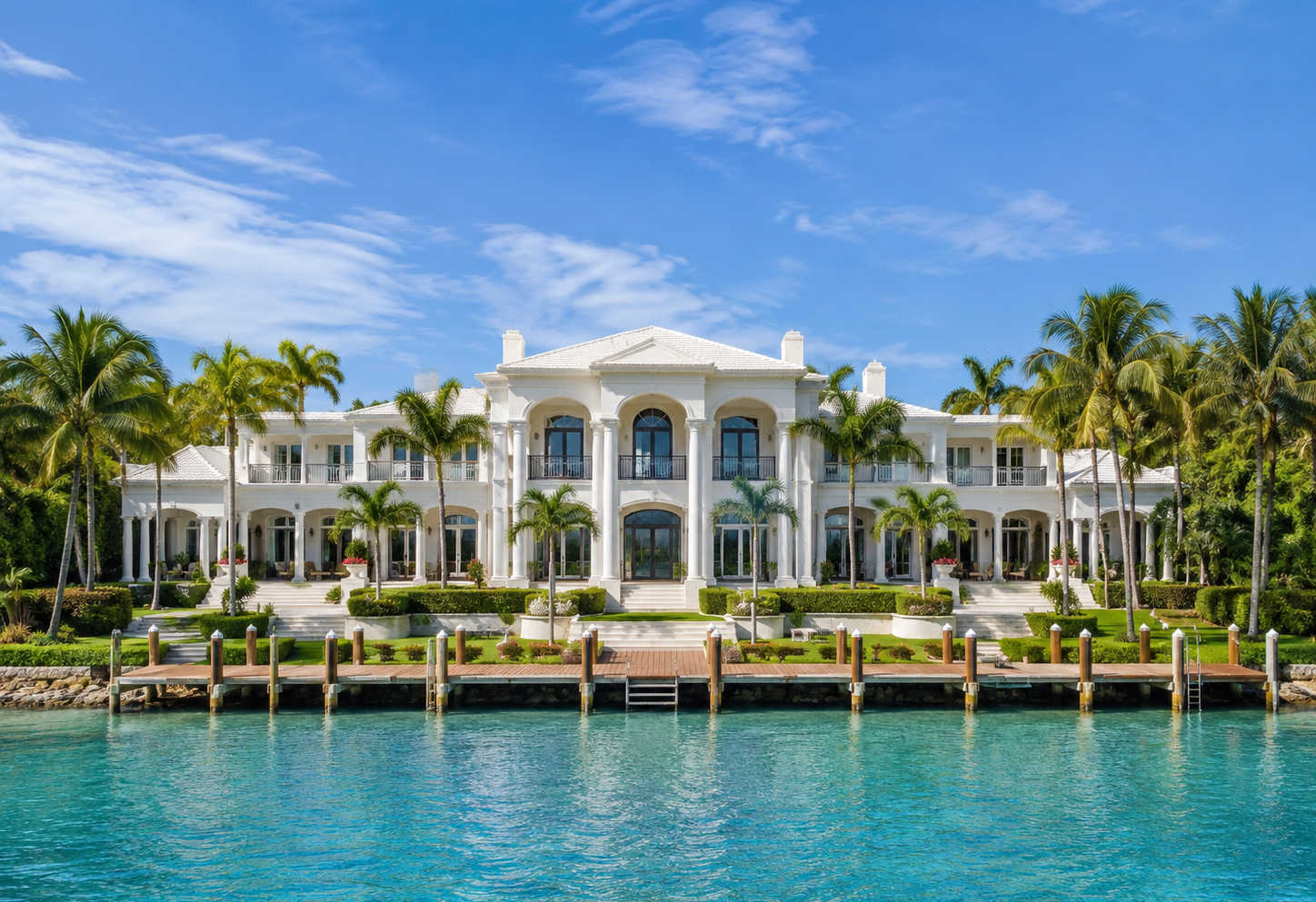
A luxury tax bill being prepared by At-large Senator Angel Bolques Jr. would impose a one-time levy on the sale of homes priced at $3 million and above, with proceeds intended to support housing assistance programs in the Virgin Islands.

Speaking during a phone interview with The Consortium Tuesday night, Mr. Bolques said the measure would not apply to new construction, would not be based on swimming pools or square footage, and would not be an annual tax. Instead, he said, the bill is designed as a price-based levy triggered only when a qualifying high-value home is sold.
“The measure was mentioned to Senator Fonseca and other senators in the 36 legislature of the Virgin Islands,” Mr. Bolques said. “I have been solely working on this bill.”
Mr. Bolques provided the clarification after Senator Ray Fonseca, during his Election Cycle interview with The Consortium, described the proposal as a luxury tax tied to new large homes, square footage and swimming pools. Mr. Fonseca also said the measure would be annual and connected to building permits. Mr. Bolques said that description does not reflect the bill he is drafting.

The at-large senator said the proposal grew out of the territory’s housing costs and the need for a dedicated revenue source to support homeownership programs. He noted that while some states begin luxury taxes around the $1 million range, that threshold does not carry the same meaning in the Virgin Islands because of the local cost of living and the high price of housing.
Mr. Bolques said a livable home without deferred maintenance can easily range from about $350,000 to $500,000 or $550,000 on St. Croix, $400,000 and up on St. Thomas, and roughly $750,000 to $800,000 or even $1 million on St. John. For that reason, he said, the proposal would begin at a much higher point.
“So what we have decided to do is start somewhere along the range or price range of $3 million and create a sliding scale,” Mr. Bolques said.
Under the structure he described, homes sold for $3 million to $5 million would be subject to a 1 percent tax. Homes sold for $5 million to $7 million would be subject to a 2 percent tax. Homes above $7 million could face a rate of 2.5 percent or 3 percent, though Mr. Bolques said the final figure remains under consideration and noted that the existing stamp tax is 2.5 percent.
Using a $3 million home as an example, Mr. Bolques said a 1 percent tax would generate $30,000. His initial preference is to direct those proceeds to the VI Slice program, giving it what he described as a viable funding source.
Mr. Bolques said the proposal is not connected to whether a home has a pool, how large the home is, or whether the property is newly built.
“It doesn't have anything to do with pool or square footage or nothing, it only has to do with the price range of a home at the $3 million range and up,” he said.
He also said the tax would not apply when someone builds a luxury home. A person who builds a $3 million or $5 million home would not owe the levy at construction, according to Mr. Bolques. The tax would apply only when the property is sold, and he said the purchaser would then be subject to it.
Mr. Bolques said the measure would also exempt family transfers, including cases where an owner gifts a qualifying home to a son, daughter, or another family member, or places it in a trust or will.
Asked directly whether the proposal would create an annual tax, Mr. Bolques said it would not. “One time, and it only applies when you sell,” he said.
Mr. Bolques declined to speculate on why Mr. Fonseca described the proposal differently during the Consortium interview.
During the interview, Mr. Fonseca presented the measure as one he was co-sponsoring and said it would apply to homes over 5,000 square feet that include a swimming pool. He said the tax would likely be 1.2 percent, and when asked whether it would be annual, he answered yes. He also said the tax would be tied to new construction building permits, with permit fees increasing for large homes.
Mr. Bolques’s explanation places the proposal in a different framework: a one-time, sales-based levy on homes starting at $3 million, with revenue directed toward housing assistance.
While Mr. Bolques said his original intent is to place the revenue in VI Slice, he acknowledged that some senators have suggested other housing-related destinations. He said some colleagues believe the money should go to Own a Lot, Build a Home because that program supports new housing construction. Others, he said, have suggested directing funds to a newer Office of Disaster Recovery-related initiative involving slabs and “white card” documentation.
Mr. Bolques said he is waiting for data before final decisions are made on where the money should go and how much revenue the proposal could generate.
He said the proposal has already gone through research and internal drafting in his office and that the internal draft has been sent to legal counsel for review. According to Mr. Bolques, the measure is now before the Legislature’s chief legal counsel.
Mr. Bolques said the review process is intended to ensure that the bill is legally sufficient and aligned with existing law. If legal counsel identifies concerns, he said, the measure would be returned for revisions before moving forward.
The bill would also codify the VI Slice program, Mr. Bolques said. VI Slice is currently an administration program, and the proposed legislation would place it in statute while creating a potential revenue stream to support it.
Mr. Bolques said he has discussed the measure with the governor and with officials connected to the lieutenant governor’s tax division. He said the proposal has received positive feedback from people he has spoken with, including individuals with the means to purchase high-value homes.
“I would sleep better at night, knowing that a tax like that is actually putting someone and their family in a home,” Mr. Bolques said, recounting the sentiment he said was expressed to him.
He described the measure as a housing-focused policy meant to create long-term opportunities for Virgin Islanders seeking homeownership.
“I believe that this is a wonderful piece of legislation that's going to create housing opportunities perpetually,” Mr. Bolques said.

The proposal remains under legal review, with revenue projections still being compiled and final decisions pending on where the money would be deposited. But Mr. Bolques said the core structure is clear: the bill would create a one-time levy on the sale of homes priced at $3 million and above, not an annual tax on pools, square footage, or new construction.