

ST. CROIX — The proprietor of an Ohio-based company is facing federal charges of wire fraud and aggravated identity theft for allegedly concocting a scam centering around the purchase of scrap cabling from Port Hamilton Refining and Transportation.

Mitch Stevenson is accused of luring an investor into transferring over $80,000 with a fraudulent bill of sale from Port Hamilton.
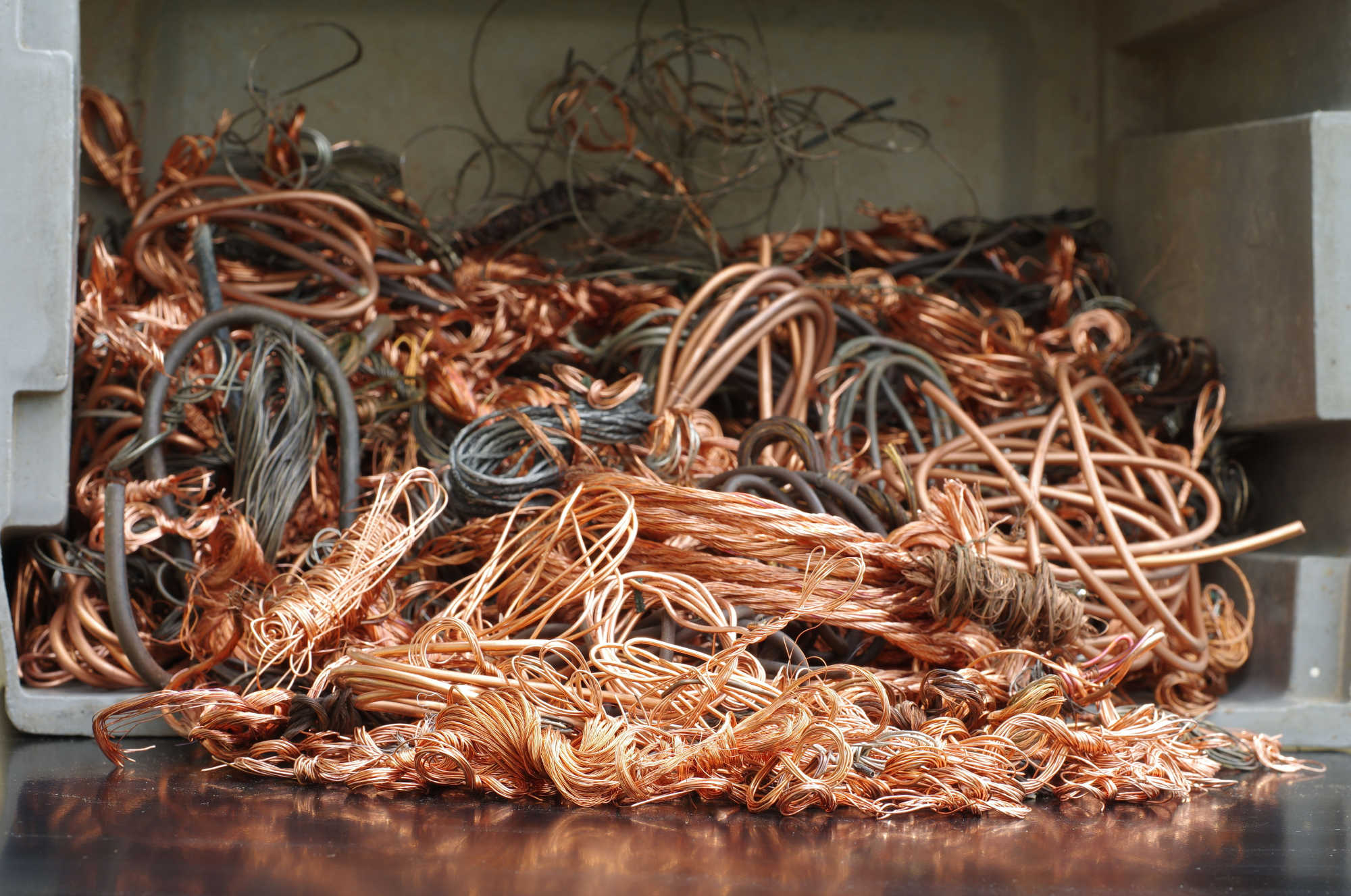
Stevenson is said to have approached the investor, who lives in Florida, with the proposal of purchasing 9,200 feet of “miscellaneous electric wire and cable” from Port Hamilton at a cost of $83,200, according to the indictment filed on Monday with the V.I. District Court.
The agreement was reportedly for the investor to fund the purchase of the scrap material, after which it would be transported to Florida and processed to extract the copper within. That copper would be sold for a profit, the investor would recoup his initial outlay, and the two men would split the balance of the funds between them, the indictment alleges.

However, the contract Stevenson entered into with Port Hamilton made no reference to this arrangement or to the Florida investor at all, according to prosecutors. Instead, the bill of sale reportedly made Stevenson’s company – Southpoint Demolition LLC – to be the sole buyer of the scrap cabling. As such, the Port Hamilton representative who sold the material to Stevenson had no knowledge of the financial involvement of the other investor in funding the purchase.
At the same time, Stevenson was leading his purported business partner to believe that he was legally a part of the transaction by presenting him with a false bill of sale, which granted the second man all “right, title and interest” in the scrap material in exchange for the $83,200. The money in the fake bill of sale was documented as coming from the investor directly to Port Hamilton. The fraudulent document was dated the same as the real one - August 10, 2023, and each bore the signature of the same Port Hamilton official, except prosecutors say the one on the fake document was forged.
Presented with the fraudulent bill of sale, the investor sent requisite funds to Port Hamilton’s Virgin Islands bank account on August 15, 2023. The refinery operator, acting according to the terms of the contract it signed with Stevenson, then transferred ownership of the scrap cabling to him alone, “unwittingly cutting [the investor] out of the deal,” prosecutors allege.

For these alleged actions, the state has levied one count each of wire fraud and aggravated identity theft against Stevenson. The latter charge carries a mandatory minimum sentence of two years if convicted. He has a previous conviction for conspiracy to launder money dating back to 2019 in Ohio.