


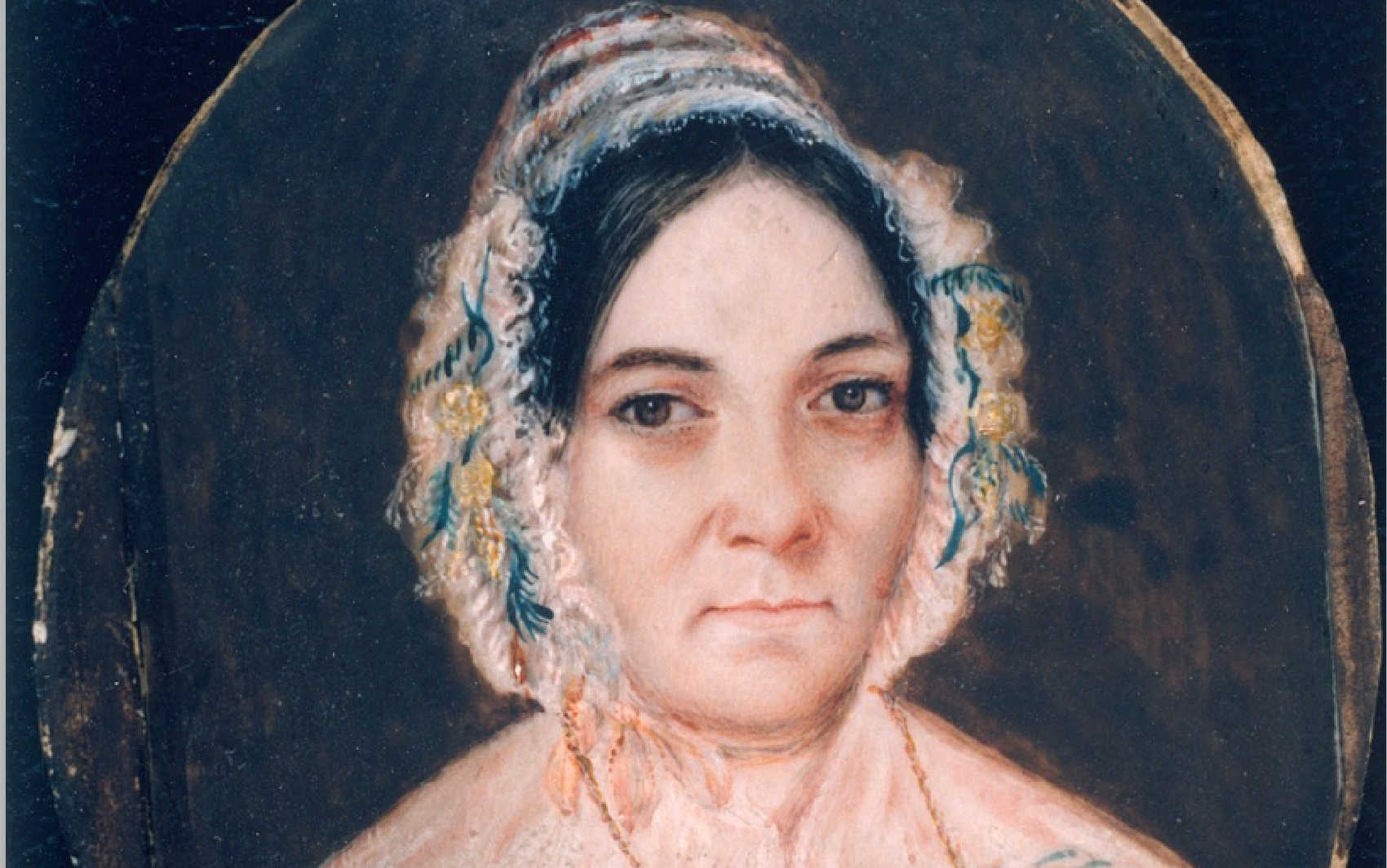
Anna Heegaard, an important figure in the abolition of slavery in the U.S. Virgin Islands, was highlighted during Monday's Emancipation celebration ceremony on St. Croix. During the event, plans were revealed for a lasting tribute to Heegaard as part of the territory’s ongoing pursuit of freedom.

Carole Burke, the 175th Emancipation Committee Chairwoman, announced a historic landmark dedicated to this pivotal woman, soon to be incorporated into the Virgin Islands territorial park system, which promises to keep Heegaard's legacy alive for future generations.
“I want to share that last year, the remains of Anna Heegaard was shipped to Denmark for authentication testing,” Ms. Burke said. “Her remains are back on St. Croix and as her descendant I've been in close contact with the current owner of the property on her burial site. We have discussed her re-interment [in] a pine casket that has been customized for her.”
Burke further stated, “The property owner has agreed to deed to the government that parcel of property as her final burial site.” That way, Virgin Islanders and well-wishers for generations to come will be able to pay homage to the woman who was instrumental in the outcome of that pivotal moment on July 3, 1848.
Heegaard was a significant figure in the abolition of slavery in the U.S. Virgin Islands, then known as the Danish West Indies. Born to a free mulatto woman and a white Danish man in 1790, she grew to be a notable woman who, through her position as the mistress of Governor General Peter von Scholten, would have a profound influence on the course of history in the USVI.
Heegaard began her relationship with Scholten in 1828, and she soon rose to prominence as his trusted companion and advisor. Although she didn't hold an official political role, her intimate relationship with Scholten granted her a level of influence that was uncommon for women, let alone women of color, at that time.
Scholten, who began his tenure as Governor General in 1827, was initially a strict enforcer of the existing colonial laws. However, with Anna Heegaard by his side, his views seemed to gradually evolve. Over time, Scholten started to implement reforms aimed at improving conditions for the enslaved population, such as ensuring their right to own personal property, and instituting a system that allowed enslaved individuals to purchase their freedom.
It's believed that Heegaard had a significant hand in these reforms. Her background as a woman of color and her proximity to the enslaved population would have undoubtedly given her a unique perspective on the horrors of slavery, and this likely informed her counsel to Scholten.
In 1848, faced with a massive slave uprising, Scholten made the monumental decision to abolish slavery in the Danish West Indies. While the historical record doesn't explicitly state that Heegaard influenced this decision, her longstanding relationship with Scholten, coupled with her own experiences and background, suggest that her impact was considerable.
Later on in the program on Monday, before she began her prepared remarks, Delegate to Congress Stacey Plaskett noted that although it sported a flagpole, no flag flew over Fort Frederik. As she presented Governor Bryan with the flag that had been hoisted over the United States Capitol on June 26 in honor of Emancipation in the Virgin islands, she requested that it now be raised above the fort.

There, it will fly as a testament to the influence the territory, home to those formerly enslaved who stood up 175 years ago to demand their freedom, has on the nation today, even as living Virgin Islanders continue to fight for more.