




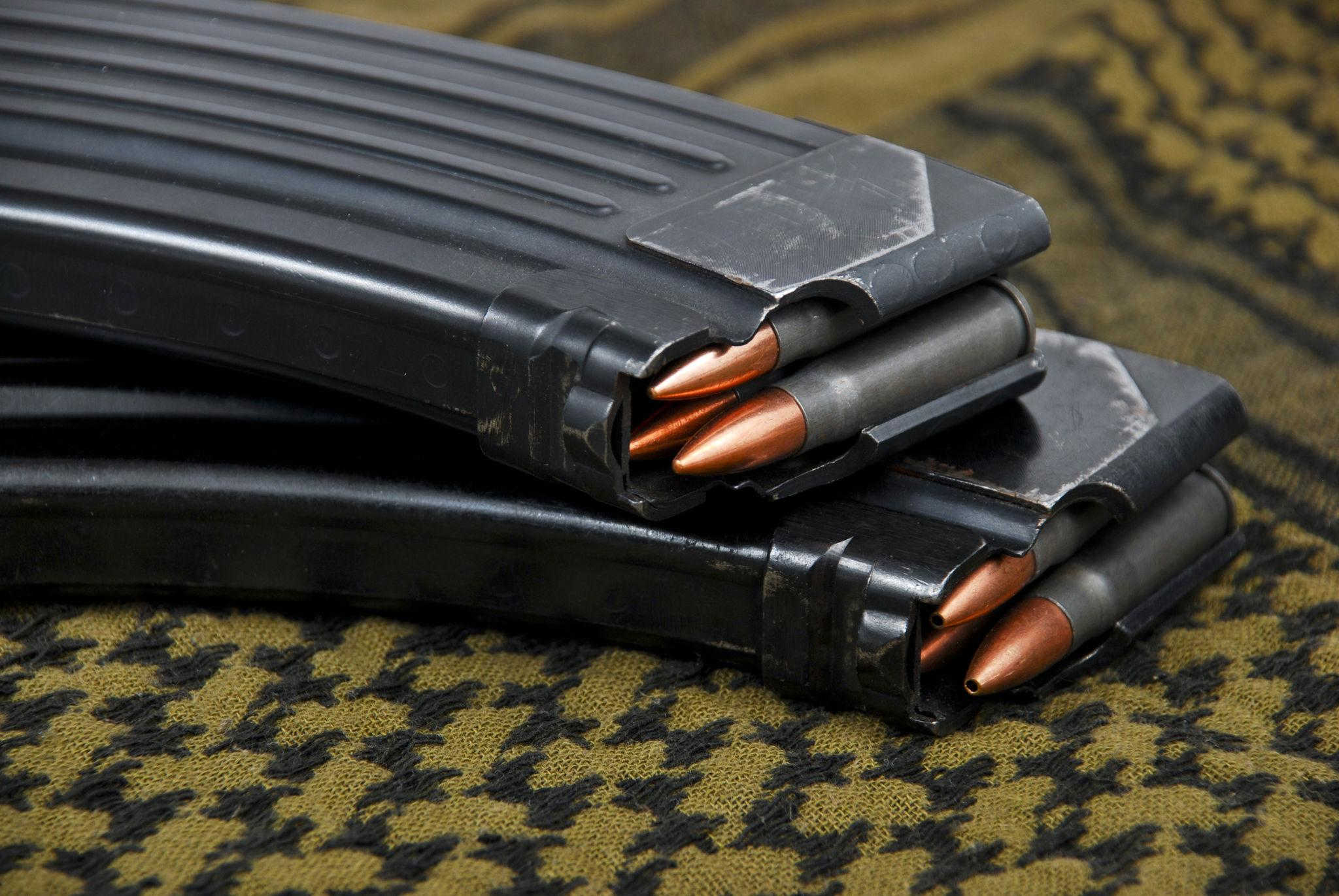
ST. CROIX — A federal judge has barred prosecutors from introducing two AK-47 rifle magazines as evidence against K'Shawn Wilson, who faces a drug-trafficking charge stemming from the discovery of approximately 10.63 kilograms of suspected marijuana in luggage at Henry E. Rohlsen Airport. The judge found that the magazines were not relevant to proving Wilson knew he was transporting drugs and could unfairly prejudice a jury.

In an October 13 order, Chief U.S. District Judge Robert A. Molloy granted Wilson's request to exclude the magazines, rejecting the government's argument that their presence in his luggage demonstrated familiarity with firearms and, by extension, an ability to distinguish the weight of guns from the weight of drugs.
Wilson was charged with possession with intent to distribute a controlled substance following an August 2, 2026, investigation by U.S. Customs and Border Protection officers at the St. Croix airport.
According to the criminal complaint, CBP officers discovered suspected marijuana in luggage later retrieved by Wilson. The substance weighed approximately 10.63 kilograms, or 23.4 pounds, and the luggage also reportedly contained two AK-47 rifle magazines.

Wilson's attorneys filed a motion on September 25 seeking to prevent prosecutors from introducing the magazines at trial, arguing that their presence was unrelated to the charged drug offense and could unfairly influence jurors.
The defense maintained that even if Wilson knew the magazines were in the luggage, possessing them would not necessarily have been unlawful. Attorneys also argued that presenting assault-rifle magazines to a jury could create prejudice unrelated to whether Wilson knowingly possessed a controlled substance.
Federal prosecutors opposed the motion on October 9, advancing an argument based on Wilson's presumed familiarity with guns and their weight.
According to the government's position, the presence of the magazines could demonstrate that Wilson was familiar with firearms and therefore knew how much guns would weigh. Prosecutors argued that this familiarity would have allowed him to recognize that the luggage was not heavy enough to contain guns, supporting an inference that he knew he was transporting drugs instead.
Judge Molloy rejected that reasoning, distinguishing the magazines found in Wilson's luggage from actual firearms.
The judge found no meaningful connection between familiarity with firearm magazines and knowledge that the luggage contained a controlled substance. He also noted that prosecutors had not asserted Wilson claimed to believe he was transporting firearms or magazines rather than drugs.
The court further examined the approximately 23.4-pound weight of the suspected marijuana and found no demonstrated relationship between that weight and the magazines.
"Thus, as argued, the Court finds that the Government’s theory for presenting evidence of firearm magazines is not relevant to the charge," Judge Molloy wrote.
The judge also determined that introducing the magazines could unfairly prejudice jurors even if the evidence were considered relevant. He found that prosecutors' proposed use of the magazines risked confusing the issues and encouraging jurors to reach a verdict based on evidence unrelated to the charged offense.
The court concluded that any potential evidentiary value was substantially outweighed by the danger of unfair prejudice and confusion, granting Wilson's motion to exclude the magazines.
Case Originated With Airport Luggage Search
The Consortium previously reported that Wilson arrived on St. Croix aboard American Airlines Flight 2753 from Miami on August 2, when CBP officers discovered boxes labeled as inflatable pool chairs inside his luggage.
Instead of the advertised items, officers allegedly found vacuum-sealed bags containing a leafy substance that tested positive for marijuana during preliminary field testing. Authorities reported recovering approximately 10.63 kilograms of the substance, along with the two AK-47 magazines.
According to the criminal complaint previously reviewed by the Consortium, Wilson told investigators that an associate in Orlando had paid him to deliver the bags to a house on St. Croix. He reportedly said he had not inspected their contents but acknowledged participating in similar exchanges before.
Following his arrest, Wilson appeared before U.S. Magistrate Judge Alan Teague, who found probable cause to uphold the charge. Wilson was subsequently released on a $25,000 unsecured appearance bond, subject to court-imposed conditions.

The October 13 decision concerns only the admissibility of the rifle magazines. It does not dismiss the charge, determine whether Wilson knowingly possessed marijuana or resolve the allegations against him.