

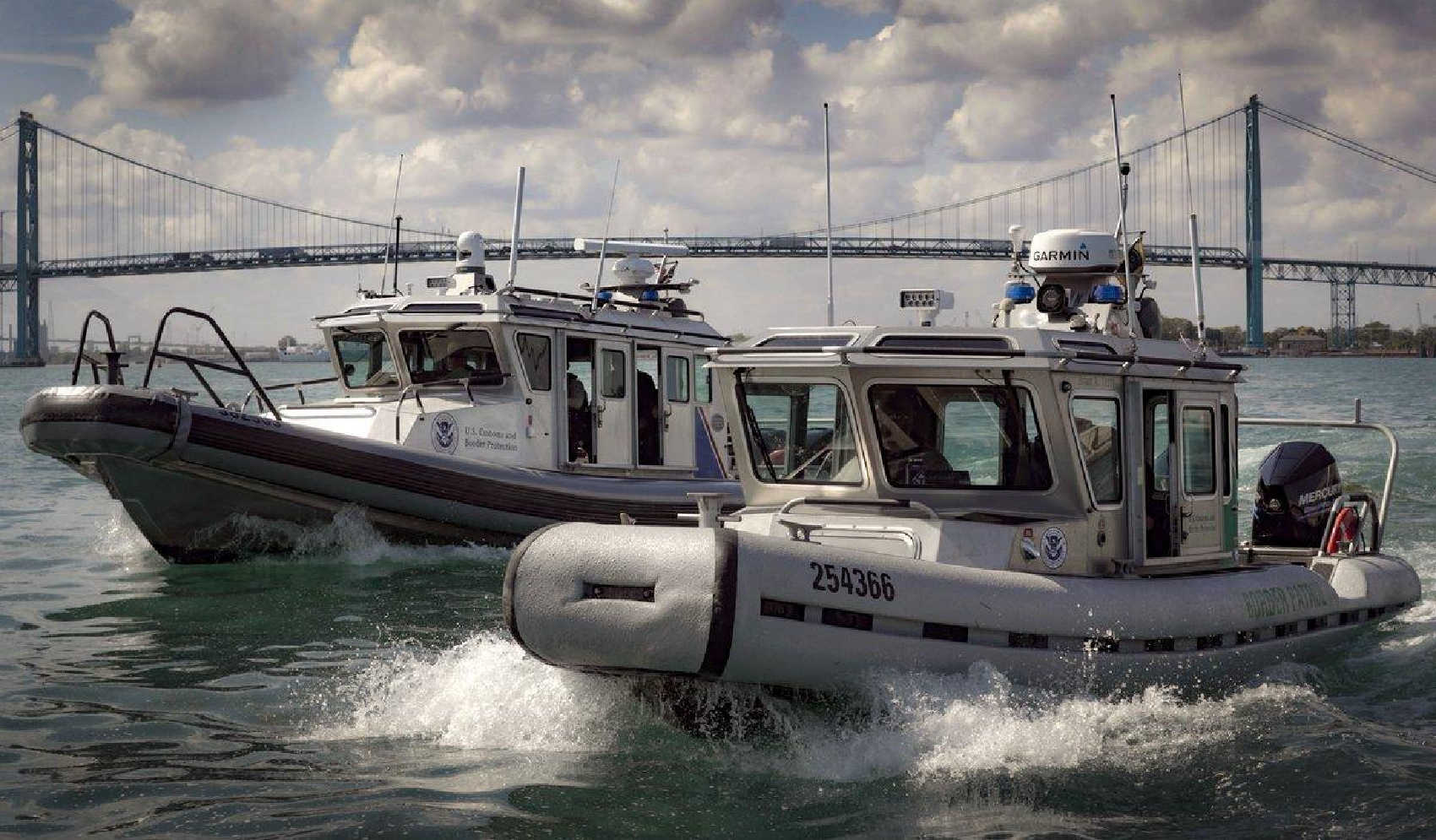
U.S. Customs and Border Protection says it has seized multiple vessels in the U.S. Virgin Islands and issued multiple penalties after boat operators failed to properly report their arrivals, as federal officials intensify reminders to the Caribbean boating community about mandatory entry procedures.

The San Juan Field Office, which has jurisdiction over Puerto Rico and the Virgin Islands, issued the warning Saturday, saying failure to report an arrival can result in a $5,000 civil penalty for a first offense, $10,000 for subsequent violations, and seizure and forfeiture of the vessel involved.
CBP did not disclose how many vessels have been seized in the Virgin Islands, when the individual seizures occurred, where they took place or the circumstances surrounding each case. The agency said only that it has seized “multiple vessels” and issued multiple penalties in the territory because operators failed to report their arrivals.
The disclosure is particularly relevant in the Virgin Islands, where private and recreational boats routinely travel between St. Thomas, St. John, St. Croix, Puerto Rico and the neighboring British Virgin Islands.

Three Vessels Seized in Puerto Rico This Fiscal Year
Three Vessels Seized CBP provided more detail about enforcement in Puerto Rico.
The agency said that during the current federal fiscal year, officers have seized three vessels in Puerto Rico and issued multiple penalties to operators who failed to report their arrivals as required by federal law.
CBP did not say whether the Virgin Islands seizures it referenced occurred during the same fiscal-year period, and it did not provide a combined Puerto Rico-USVI seizure total.
The reporting requirement is rooted in federal customs law. CBP says operators of small pleasure vessels arriving from a foreign port or place must report their arrival immediately. Earlier this year, the agency also specifically reminded Caribbean boaters that vessels moving between Puerto Rico and the U.S. Virgin Islands must report their entry in both locations.
That requirement can be easy to overlook because both Puerto Rico and the Virgin Islands are U.S. jurisdictions. But for customs purposes, movement between the two can still trigger reporting requirements.
Similarly, a vessel returning to the Virgin Islands from the British Virgin Islands is arriving from a foreign jurisdiction and must comply with U.S. entry procedures.
ROAM App Designed to Simplify Reporting
CBP is encouraging boat operators to use its Reporting Offsite Arrival-Mobile application, commonly called ROAM, to satisfy the initial reporting requirement.
The free mobile system allows travelers to create profiles containing passenger and vessel information and then submit trip details to CBP when they arrive. An officer reviews the submission and can either clear the vessel remotely or direct the operator and passengers to report to a designated port of entry for an in-person inspection.
CBP officers may also initiate a video interview through the application before determining whether further inspection is required.
The agency says the app is intended to simplify legitimate maritime travel, but using ROAM does not automatically mean a vessel has been cleared. Operators must wait for CBP’s response and follow whatever instructions are provided.
If ROAM is unavailable, CBP says boat operators must immediately contact or report to the nearest port of entry rather than simply continuing ashore.
Some travelers may still be required to report in person, including certain individuals who need immigration documentation, cruising licenses or who must pay duties.
Why CBP Requires the Arrival Report
CBP said the inspections are intended to allow officers to verify the identity of everyone aboard, ensure travelers are properly vetted and prevent illegal immigration or prohibited goods from entering the United States.
The vessel operator is responsible for presenting all travelers for inspection when CBP requires it.
Acting San Juan Field Office Director Efrain Rivas said the agency views the reporting requirement as an important part of maritime border security and warned that noncompliance can lead to both financial penalties and loss of the vessel.
Federal law cited by CBP, 19 U.S.C. § 1436, establishes penalties for violations of vessel arrival and reporting requirements. CBP says ignorance of the rule does not protect an operator from enforcement action.
USVI Boaters Have Been Warned Before
Saturday’s release is not the first time CBP has specifically cautioned Virgin Islands boaters about the requirement.
In March, the agency reminded small-boat operators in Puerto Rico and the USVI that they must report entry when navigating between the two jurisdictions, in addition to reporting when returning from a foreign destination.
At the time, CBP emphasized that movement from Puerto Rico to the Virgin Islands — despite occurring entirely between U.S. jurisdictions — still requires an arrival report, as does the return trip to Puerto Rico.
The agency’s newest warning is more notable because it confirms that enforcement in the Virgin Islands has gone beyond education and fines: CBP says vessels have actually been seized here for failure to comply.
The agency has not publicly identified the affected operators or vessels, nor has it said whether any of the Virgin Islands seizures ultimately resulted in permanent federal forfeiture.

For local boaters, however, the enforcement message is clear. A trip that ends in St. Thomas, St. John or St. Croix may still require formal reporting to CBP depending on where the vessel originated, and failing to complete that process can expose an operator not only to thousands of dollars in penalties but potentially to loss of the boat itself.