



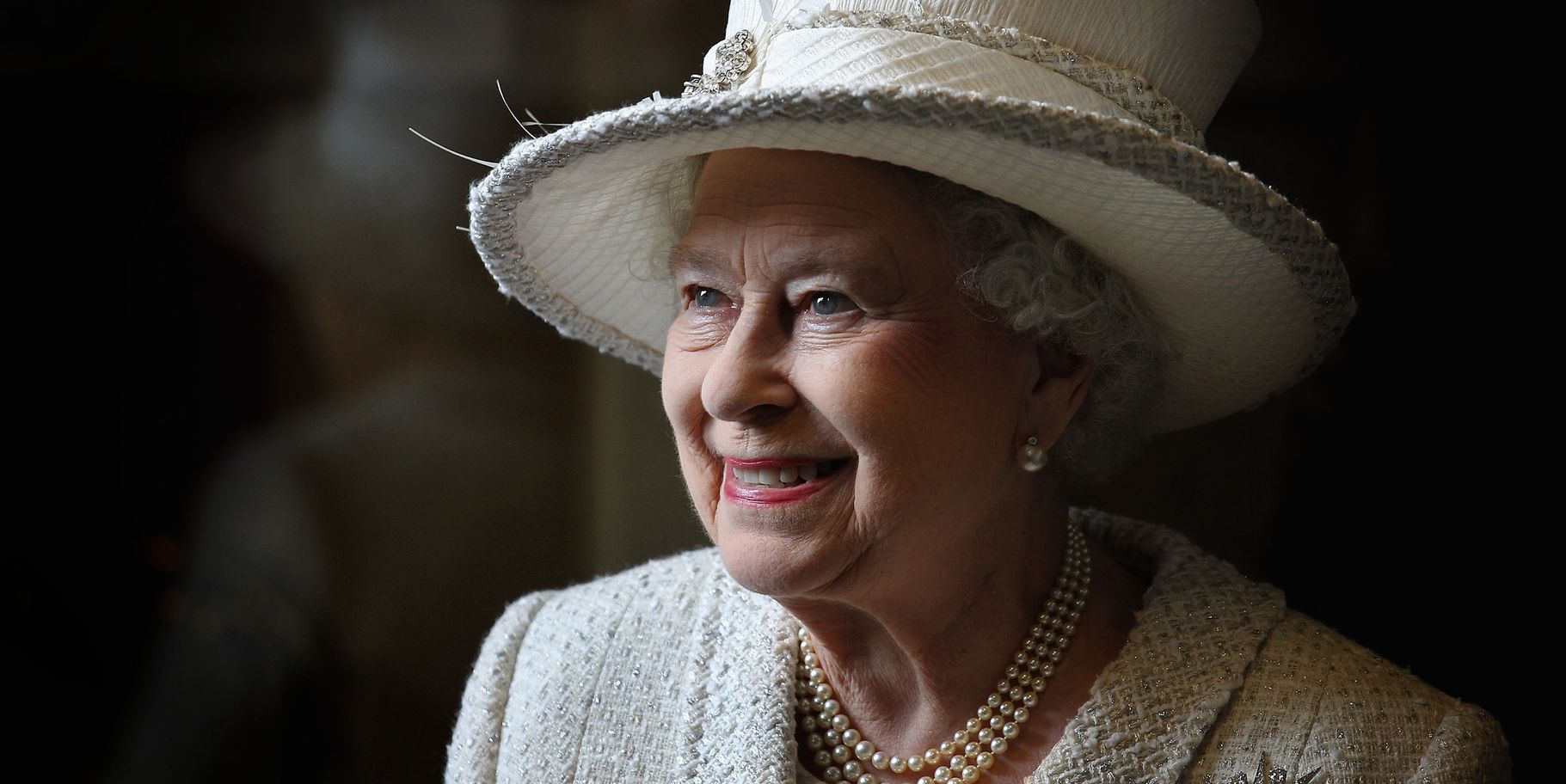
Queen Elizabeth II, the 96-year-old monarch who was Britain's longest-reigning queen, died on Thursday at her residence in Balmoral, Scotland, Buckingham Palace has made known.
Testifying to her longevity, Queen Elizabeth II rose to the throne when Winston Churchill was the prime minister of Britain.
Her son Charles, age 73, has assumed the thrown as king. According to the Wall Street Journal, the queen’s eldest son was in Scotland with his family and is expected to return to London. If he keeps his name as monarch, he would become King Charles III.
“The Queen died peacefully at Balmoral this afternoon,” Buckingham Palace said in a statement.

For Britons under the age of 70, Queen Elizabeth II's death marks a turning point as they grew up knowing only one monarch. WSJ said she was the most visible link to the country’s imperial past and the embodiment of national identity.
Queen Elizabeth II was born in Mayfair, London, as the first child of the Duke and Duchess of York (later King George VI and Queen Elizabeth). Her father acceded to the throne in 1936 upon the abdication of his brother, King Edward VIII, making Elizabeth the heir presumptive. She was educated privately at home and began to undertake public duties during the Second World War, serving in the Auxiliary Territorial Service. In November 1947, she married Philip Mountbatten, a former prince of Greece and Denmark, and their marriage lasted 73 years until his death in April 2021. They had four children together: Charles, Prince of Wales; Anne, Princess Royal; Prince Andrew, Duke of York; and Prince Edward, Earl of Wessex.
When her father died in February 1952, Elizabeth—then 25 years old—became queen regnant of seven independent Commonwealth countries: the United Kingdom, Canada, Australia, New Zealand, South Africa, Pakistan, and Ceylon (known today as Sri Lanka), as well as Head of the Commonwealth. Elizabeth reigned as a constitutional monarch through major political changes such as the Troubles in Northern Ireland, devolution in the United Kingdom, the decolonization of Africa, and the United Kingdom's accession to the European Communities and withdrawal from the European Union. The number of her realms has varied over time as territories have gained independence and some realms have become republics. Her many historic visits and meetings include state visits to China in 1986, Russia in 1994, the Republic of Ireland in 2011, and visits to or from five popes.
Significant events include Elizabeth's coronation in 1953 and the celebrations of her Silver, Golden, Diamond, and Platinum jubilees in 1977, 2002, 2012, and 2022, respectively. Elizabeth is the longest-lived and longest-reigning British monarch, the oldest and longest-serving incumbent head of state, and the second-longest verifiable reigning sovereign monarch in world history. She has faced occasional republican sentiment and media criticism of her family, particularly after the breakdowns of her children's marriages, her annus horribilis in 1992, and the death of her former daughter-in-law Diana, Princess of Wales, in 1997. However, support for the monarchy in the United Kingdom remains consistently high, as did her personal popularity.

According to WSJ, "the House of Windsor is the last European monarchy to continue the practice of coronation. Marking her departure and the anointment of her successor will now be critical to that transition and to maintaining the pageantry vital to sustaining the monarchy’s role and power."