

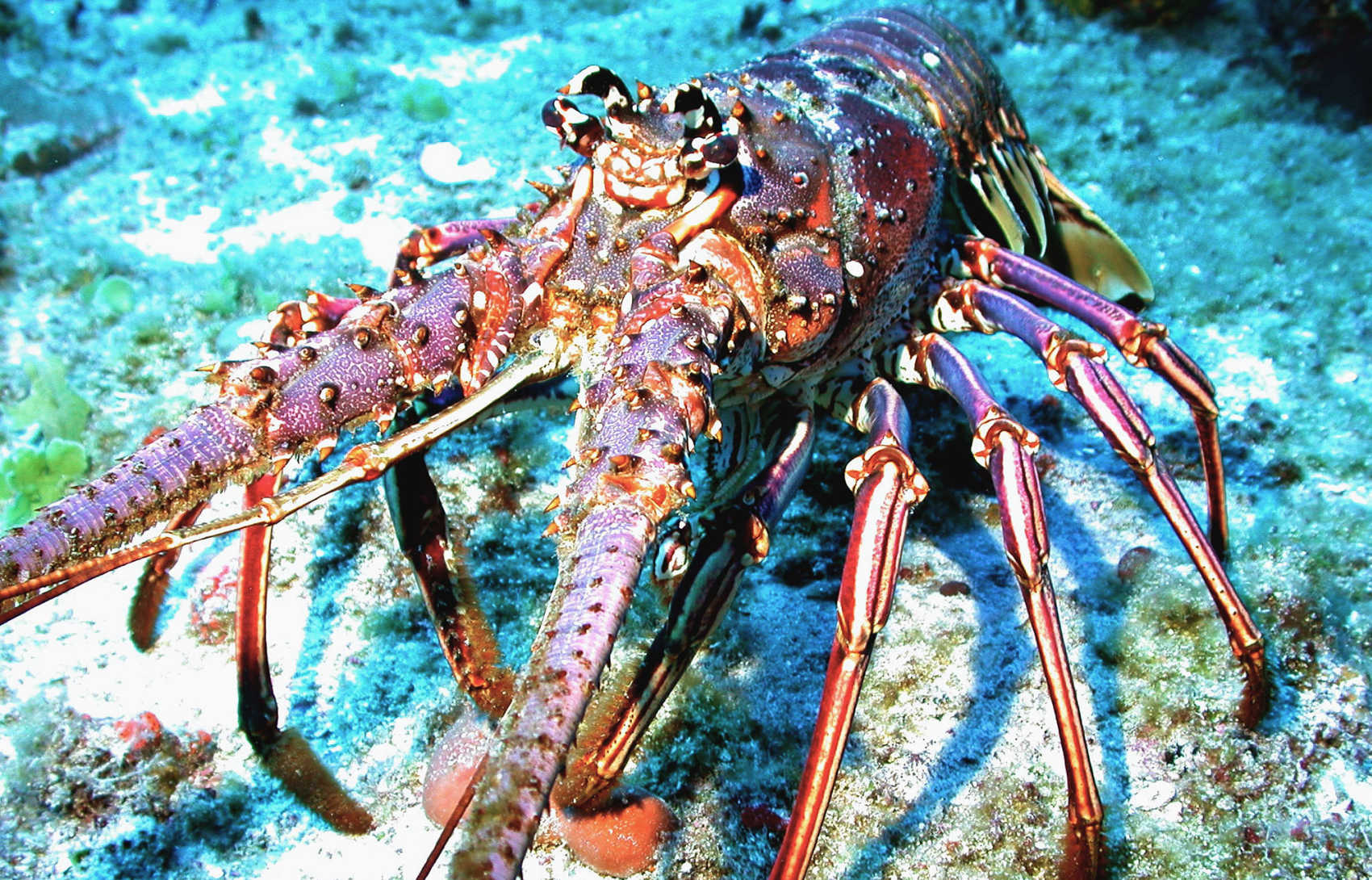
NOAA Fisheries is proposing a 28.8 percent increase in St. Croix’s annual spiny lobster catch limit, raising it from 137,254 pounds to 176,760 pounds. The proposed increase of 39,506 pounds was published in the Federal Register on Friday, October 16, as part of an update to lobster management in the U.S. Virgin Islands.

The same proposal would reduce the combined annual limit for St. Thomas and St. John from 133,207 pounds to 132,964 pounds, a decrease of 243 pounds, or about 0.18 percent. Public comments are due November 16, 2026, and the proposed limits have not taken effect.
The changes would implement Framework Action 4, developed by the Caribbean Fishery Management Council under the separate fishery management plans for St. Croix and for St. Thomas and St. John. They would apply to commercial and recreational lobster harvesting in federal waters, which begin three nautical miles offshore and extend to the boundary of the U.S. Caribbean exclusive economic zone. The catch limits are measured in whole-lobster weight.
The proposal follows spiny lobster stock assessments completed in September 2025 through the Southeast Data, Assessment, and Review process, known as SEDAR 91. Those assessments used data through 2023 and found that neither island group’s lobster stock was overfished or undergoing overfishing, according to the supporting framework document. NOAA says the updated limits would align management with the latest scientific information and help preserve fishing opportunities over the long term.

The two island groups would use different margins between their scientific catch recommendations and their annual catch limits. For St. Croix, the council would retain a 5 percent management buffer below the recommended acceptable biological catch of 186,063 pounds, producing the proposed annual limit of 176,760 pounds. That buffer accounts for uncertainty in managing and measuring catches.
For St. Thomas and St. John, the recommended acceptable biological catch would fall from 140,218 pounds to 132,964 pounds. The council proposes setting the annual catch limit equal to that recommendation, removing the existing 5 percent management buffer to minimize potential economic effects from reduced harvest opportunities. That approach is why the proposed annual limit would decline by only 243 pounds despite the larger drop in the scientific catch recommendation.
The council has also requested an interim assessment from NOAA’s Southeast Fisheries Science Center by December 2027, with additional information to help update catch projections. If future St. Thomas and St. John landings reach or exceed the proposed annual limit, the council could ask its scientific committee to use that assessment to consider whether the biological catch recommendation could be increased.
Recent catches help explain why NOAA does not expect immediate economic changes from the proposal. NOAA’s analysis cites average annual commercial lobster landings of about 34,000 pounds on St. Croix during 2020–2024, less than one-fifth of the proposed limit and well below the existing limit. NOAA therefore does not expect the increase to change current fishing businesses’ revenue or profits, although it would allow more potential harvest if fishing activity expanded substantially.
St. Thomas and St. John averaged 109,814 pounds annually over the same five years. Their 2024 landings, the latest year available in the rule’s analysis, reached 125,177 pounds, leaving 7,787 pounds below the proposed limit. NOAA expects recent harvest levels to remain below the new ceiling and does not anticipate a short-term revenue loss from the small reduction.
During 2020–2024, an average of 30 commercial fishers on St. Croix and 37 on St. Thomas and St. John reported lobster landings. NOAA concluded that the proposal would not have a significant economic impact on a substantial number of small businesses, and it would introduce no new reporting or recordkeeping requirements.
Comments may be submitted through the federal e-rulemaking portal under docket NOAA-NMFS-2026-2146. The Federal Register notice also permits mailed comments addressed to Maria Lopez-Mercer, Southeast Regional Office, NMFS, 263 13th Avenue South, St. Petersburg, FL 33701. Written comments must be received by November 16.

Comments generally become part of the public record, including personal information voluntarily included in a submission. Anonymous comments are accepted by entering “N/A” in the required fields.