




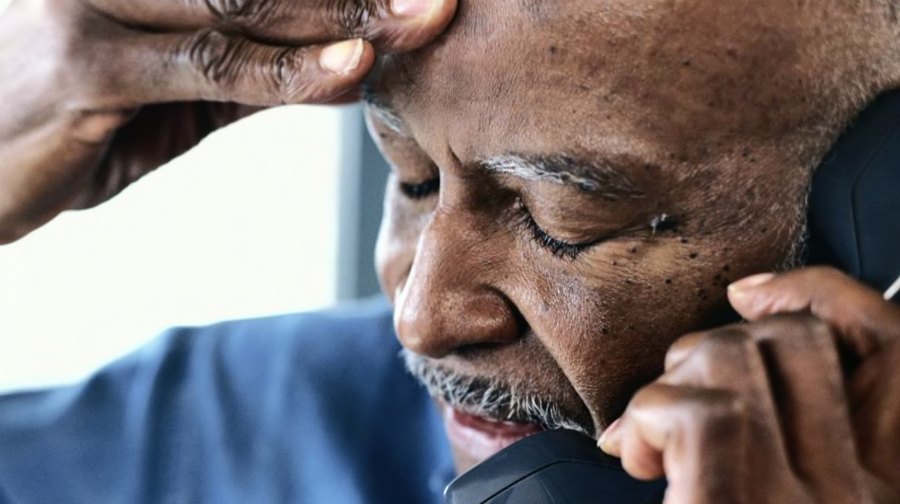
June is World Elder Abuse Awareness Month. Throughout the month, government agencies, businesses, and organizations sponsor events to unite communities, seniors, caregivers, governments, and the private sector to prevent the mistreatment of and violence against older people.

Scammers often target older people. They use fear to pressure people into providing personal information or money. In times like the current pandemic when people are particularly vulnerable, scammers will pretend to be government employees, often from Social Security, to gain people’s trust to steal their money and personal information. The most effective way to defeat scammers is by knowing how to identify frauds, then hanging up or ignoring the calls.
What you can do
If you get a Social Security scam phone call, hang up, report it to our law enforcement office –Office of Inspector General- by calling 1-800-269-0271 or accessing oig.ssa.gov, and tell your family and friends about it. The Social Security administration said it will never do the following:
- Tell you that your Social Security number has been suspended.
- Tell you about crimes committed in your name, or offer to resolve identity theft or a benefit problem in exchange for payment.
- Request a specific means of debt repayment, like a retail gift card, prepaid debit card, wire transfer, internet currency, or cash.
- Insist on secrecy about a legal problem, or tell you to make up stories to tell family, friends, or store employees.
Scammers continue to develop new ways to mislead potential victims. They might use the names of Social Security officials and tell potential victims to look them up on Social Security public websites (where they learned the names themselves). Or, they might send an official-looking email with documents with a letterhead that looks like it’s from Social Security or Social Security’s Office of the Inspector General (OIG).
"Don’t believe them. Social Security will NEVER email you attachments that have your personal information in them," SSA said.
If you ever owe money to Social Security, the agency will mail you a letter, explaining your payment options and your appeal rights. If you get a call about a Social Security problem, be very cautious. If you do not have ongoing business with the agency, or if the caller mentions suspending your Social Security number or makes other threats, the call is likely a fraud. Ignore it, hang up, and report it to us at oig.ssa.gov or calling 1-800-269-0271. "We are working to stop these scams and educate people to avoid becoming victims," SSA said.

For more information on the benefits and services of the Social Security Administration, access www.segurosocial.gov , the automated services at 1-800-772-1213, or call by phone your local Social Security office. To find the direct phone number of the local field office for your service area, please input your zip code on the following link: https://secure.ssa.gov/ICON/main.jsp