



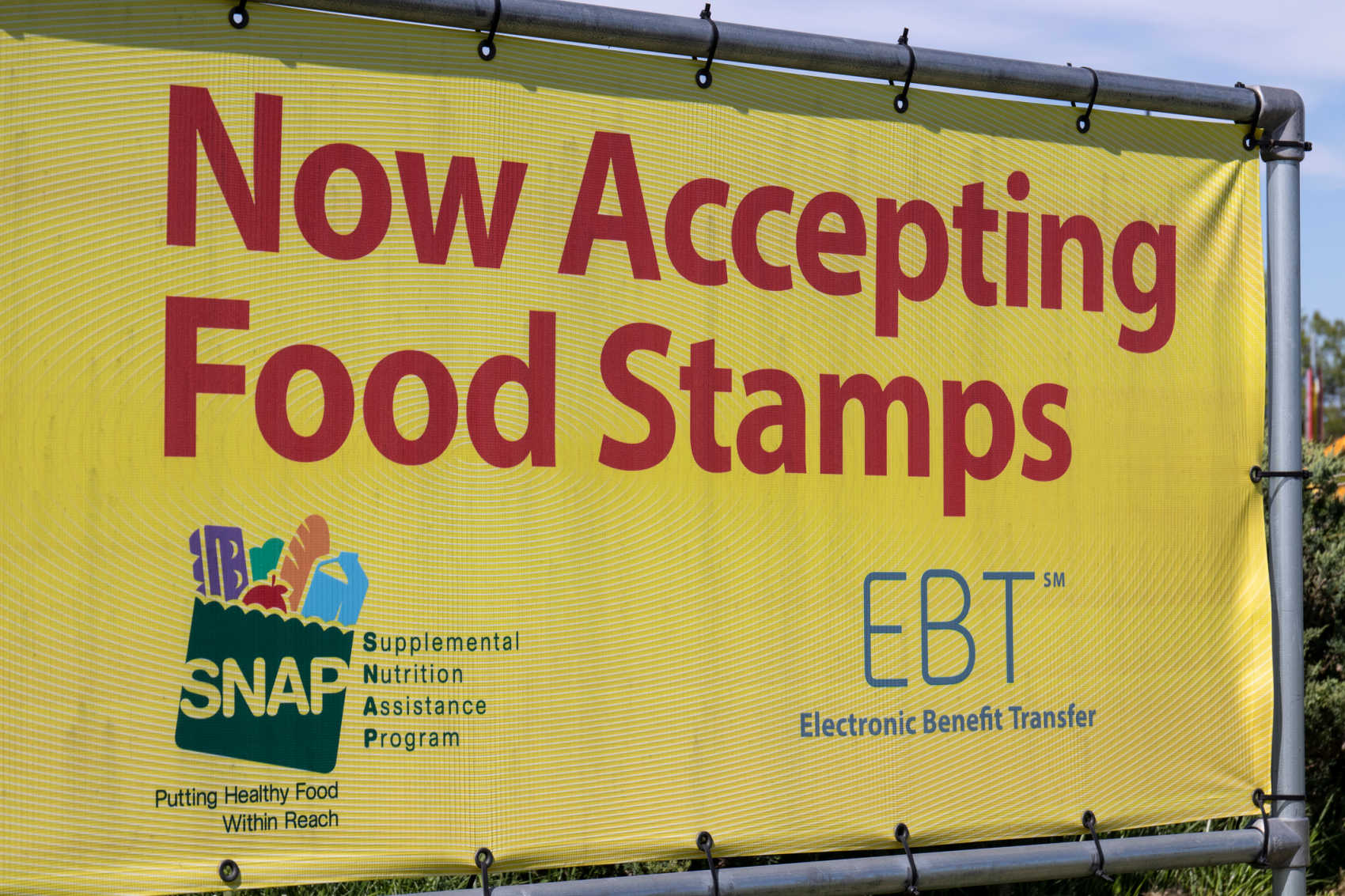
With new SNAP work requirements set to affect approximately 5,000 Virgin Islanders beginning Sept. 1, recipients who may fall under the rules are being urged to determine whether they qualify for an exemption or begin documenting the work, volunteer, training or other qualifying activity needed to maintain their food assistance.

The V.I. Department of Human Services told lawmakers earlier this month that roughly 5,000 Supplemental Nutrition Assistance Program recipients could be affected. Commissioner Averil George said those subject to the requirements must show that they are working, attending school or participating in volunteer activity for the required amount of time. DHS has also mailed notices to affected households.
The rules apply to a category known as Able-Bodied Adults Without Dependents, or ABAWDs. DHS says recipients generally fall within that category if they are 18 through 64 years old, do not have a child under 14 in their SNAP household, and are considered physically and mentally able to work at least 20 hours per week.
DHS has been publishing guidance and forms on the expanded requirements since earlier this year. While those materials began outlining the new ABAWD rules in March, the department told lawmakers during its August budget hearing that approximately 5,000 recipients could face the new eligibility consequences beginning Sept. 1.

What Recipients Must Do
For people subject to the ABAWD rules, DHS's current participation form establishes a general requirement of 80 hours per month, or an average of about 20 hours per week, in qualifying activity.
Those hours can come from paid work, unpaid work, work performed in exchange for goods or services, or volunteer activity. Recipients can also participate in a qualifying work program or combine work with an approved program to reach the monthly requirement.
Examples of qualifying programs listed by DHS include SNAP Employment and Training, the Job Opportunities and Basic Skills Program and the Senior Community Services Employment Program. However, DHS specifically notes that participation in SNAP Employment and Training can account for 49 percent or less of the required time, meaning recipients using that program may need additional qualifying work, volunteer or in-kind activity.
DHS also says recipients earning more than $217.50 per week should report that income even if they work fewer than 20 hours, because they may be exempt from the ABAWD requirement.
Education and training can also affect a recipient's status. DHS guidance says someone enrolled in school or a training program can satisfy applicable requirements through sufficient class time or qualifying enrollment, while another DHS flyer lists enrollment at least half-time in a recognized school, job-skills program or college among circumstances that may exempt a person from the work rules. Recipients relying on education or training should report their enrollment to DHS so the agency can determine how it applies to their case.
Who May Be Exempt
Not every adult between 18 and 64 receiving SNAP will have to complete the 80-hour requirement.
DHS says exemptions include people younger than 18 or age 65 and older; those living with a child under 14 in the SNAP household; pregnant recipients; and people experiencing a physical or mental barrier to employment lasting at least 30 days and certified by a licensed physician or certified psychologist. People who qualify for an exemption from SNAP's general work requirements may also be excluded from the ABAWD requirement.
Additional DHS guidance identifies circumstances including caring for someone who needs assistance, receiving or having applied for unemployment benefits, participating in a drug or alcohol treatment program, and being enrolled at least half-time in a recognized school, job-skills program or college. The department also lists federally recognized exemptions covering certain American Indian categories.
DHS says it must screen recipients for exemptions before determining that they are subject to the ABAWD rules. Anyone who believes an exemption applies should notify the department rather than assuming DHS already has the information necessary to make that determination.
How to Prove Work or Volunteer Hours
DHS has posted a SNAP ABAWD/Employment & Training Participation & Activity Verification Form for recipients who need to document employment, volunteer or community service, training or SNAP E&T activity.
Recipients completing the form are instructed to identify the month being reported and their SNAP case number, identify the employer or organization, and record their activity each day with start and end times and total hours. A supervisor or site manager should initial the daily entries and certify the completed record. Supporting documents such as pay stubs, schedules, timesheets or attendance records can also be attached.
People using more than one employer, volunteer organization or supervisor should use additional copies of the form or attach extra pages, with their name and case number included on each.
Recipients who need volunteer hours are not limited to a DHS-assigned location. The department says individuals may identify their own nonprofit or public volunteer site in the community, giving a public library or food pantry as examples. The organization must verify the participant's activity through the DHS form.
Completed forms may be submitted in person, by email or by mail according to instructions from the recipient's eligibility worker. DHS advises recipients to keep their mailing address current with both the department and the Postal Service so they do not miss notices affecting their benefits.
Missing Hours Does Not Always Mean Automatic Loss of Benefits
DHS's verification form also addresses situations in which someone fails to complete the required hours because of circumstances beyond their control.
Examples listed by the department include illness or injury, lack of transportation, unsafe conditions, or a temporary crisis or emergency. In those situations, recipients are instructed to contact DHS promptly, explain what happened and discuss the next steps rather than simply allowing the reporting period to pass.
For people who are subject to the ABAWD time limit and do not satisfy the requirement or qualify for an exemption, DHS says SNAP generally becomes limited to three months during a three-year period. The department's current informational material identifies that period as March 1, 2026 through Feb. 28, 2029.
Where to Contact DHS
On St. Croix, the DHS Certification Unit is located at 4102 Mars Hill in Frederiksted. The participation form lists 340-772-7100, extensions 7072 or 7159, and [email protected].
On St. Thomas, the Certification Unit is at 1303 Hospital Ground, Suite 1. DHS lists 340-774-2399 or 340-774-0930, extension 4303, and [email protected].
On St. John, recipients can visit the Certification Unit at the Multi-Purpose Building, 300 Enighed and Contant in Cruz Bay. DHS lists 340-776-6334 or 340-774-0930, extension 4275. St. John clients use [email protected], and DHS instructs anyone mailing documents from St. John to use the St. Thomas mailing address.
The department maintains its ABAWD informational flyer, benefits-change notice and participation form on its Division of Family Assistance webpage.
The approaching Sept. 1 date follows warnings George gave lawmakers during DHS's budget hearing earlier this month. As the Consortium previously reported, the commissioner said approximately 5,000 recipients could be affected if they do not meet the new requirements.
Assistant Commissioner Taetia Phillips-Dorset emphasized at the hearing that unemployment alone does not leave recipients without an option.
“If you’re not working, you can volunteer and get some of the hours that way,” she said.

For recipients who believe they may be among those affected, the immediate task is to establish their status with DHS: report any exemption that applies, document qualifying activity if required, and contact the Certification Unit if their circumstances or ability to meet the required hours have changed.