Trinidadian Prime Minister Kamla Persad-Bissessar has been declared persona non grata in Venezuela, and her country cut off from a key supply of natural gas, as Venezuelan officials denounce Trinidad & Tobago's government as U.S. collaborators. Ms. Persad-Bissessar responded by declaring that Trinidad did not need Venezuela's gas, and chastising CARICOM for purportedly choosing the Latin American country over Trinidad & Tobago.

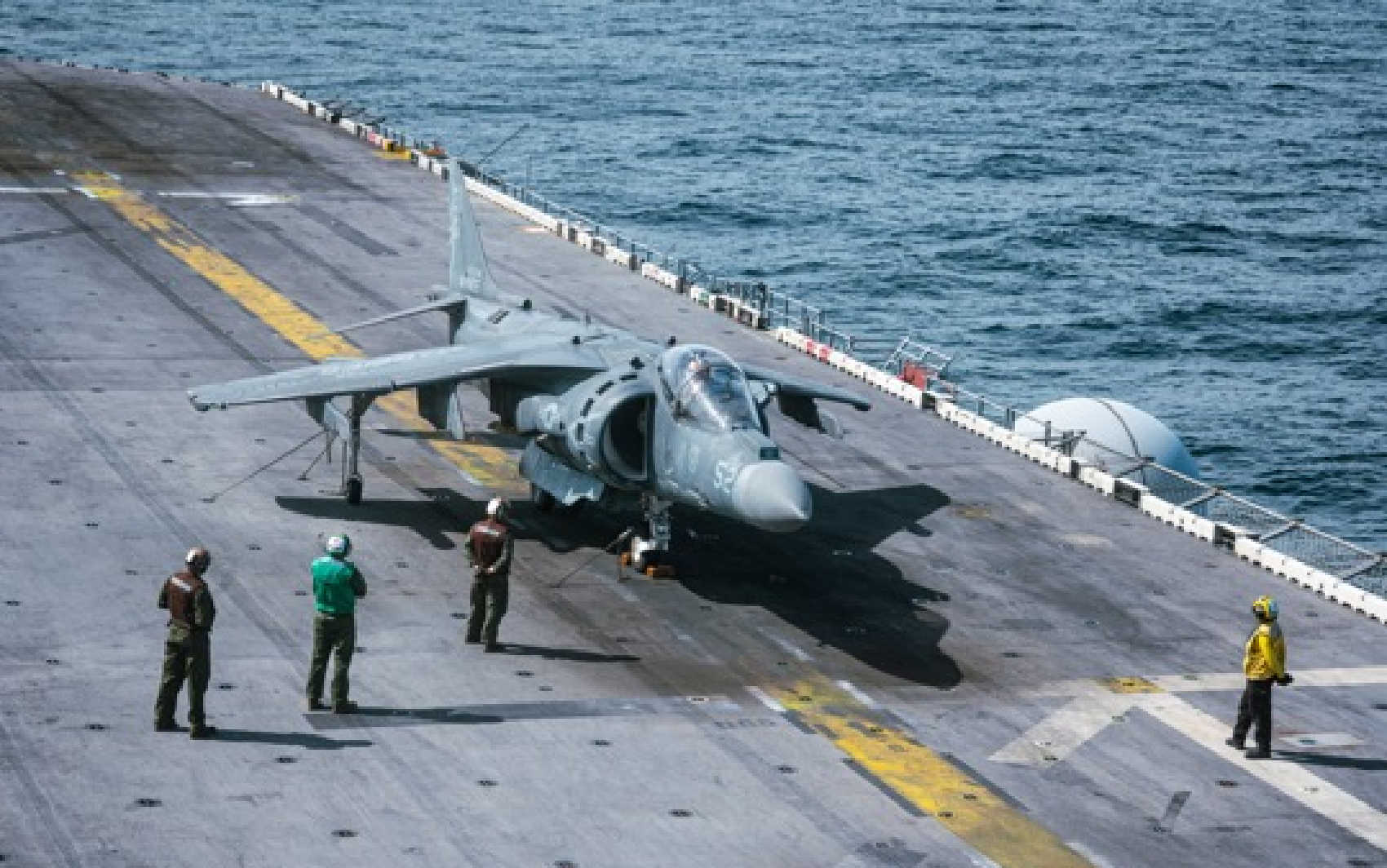
After the USS Gravely docked in Trinidad on Sunday for what local authorities describe as U.S.-requested joint military exercises, Venezuela responded by suspending energy agreements with the twin island republic. First suggested by Vice President Delcy Rodriguez, the decision was later backed up by President Nicolas Maduro, who accused Trinidad of being the “aircraft carrier of the U.S. empire.”
The canceled agreement dates back to 2015, when Prime Minister Persad-Bissessar and President Maduro signed a deal that permitted the two nations to jointly pursue natural gas exploration in the waters between Trinidad and Venezuela. At the time, President Maduro called the deal “unique and historic,” as the first in the hemisphere.
Data from the International Energy Agency indicates that Trinidad and Tobago relies on natural gas for virtually all of its energy needs. However, nearly all the natural gas that fuels the country’s power plants, LNG facilities, and petrochemical industries comes from offshore and onshore gas fields owned and operated by Trinidad and Tobago (via companies like bpTT, Shell, and others).

Prime Minister Persad-Bissessar dismissed the move by Venezuela as irrelevant. “Our future does not depend on Venezuela and never has,” the Trinidadian leader told Associated Press journalists. “We have our plans and projects to grow our economy both within the energy and non-energy sectors.”
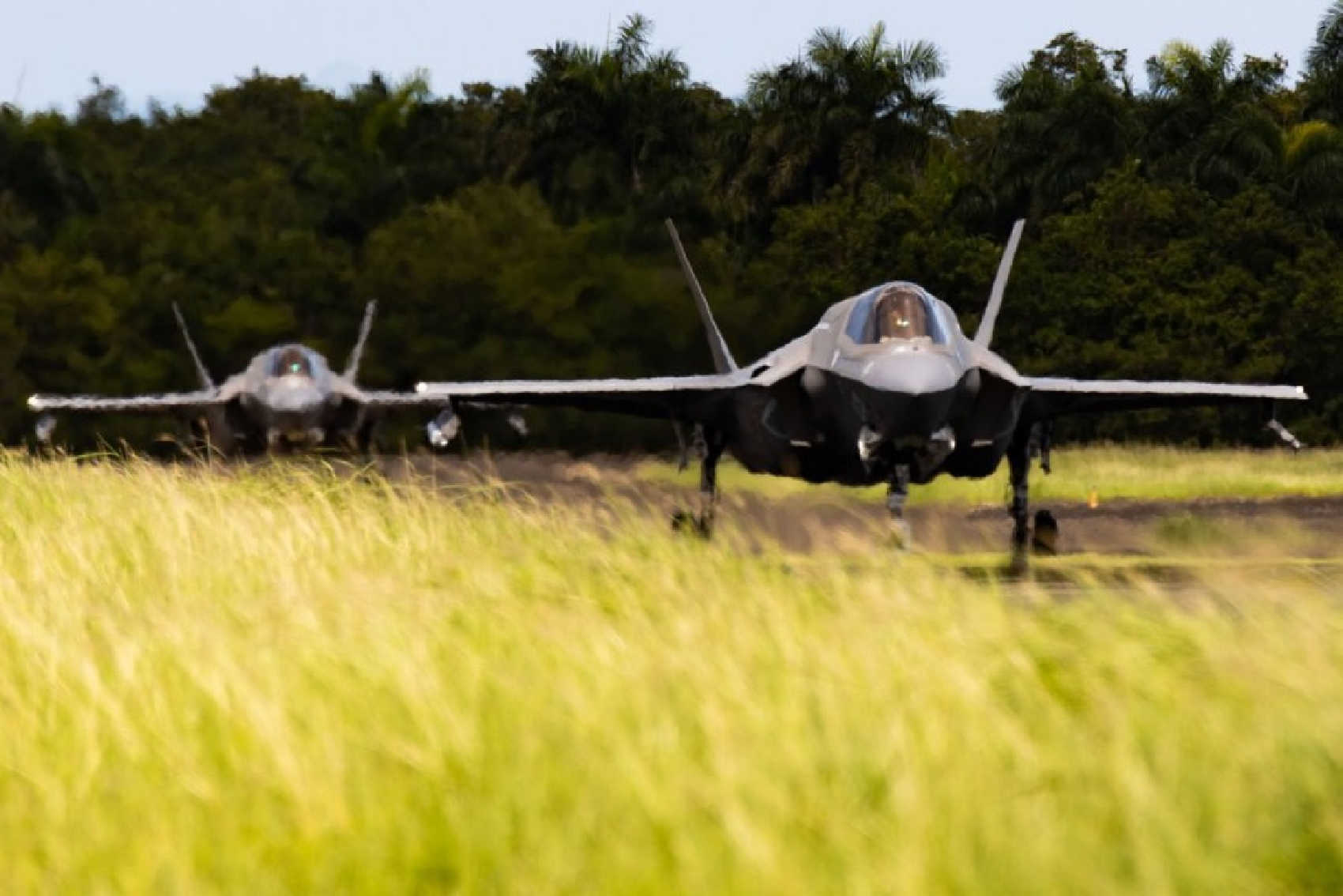
U.S. Marine Corps F-35B Lightning II aircraft in Puerto Rico. U.S. forces are deployed to the Caribbean in support of the SOUTHCOM mission. (Photo credit: U.S. SOUTHCOM)
Venezuela followed up the cancellation of the gas deal by declaring Trinidad & Tobago's prime minister unwelcome. The country's National Assembly voted to rebuke Prime Minister Persad-Bissessar in this manner on Tuesday, barring her from entering the country. The Trinidadian Prime Minister questioned why she would want to go to Venezuela. The Ministry of Homeland Security then announced preparations for the mass deportation of hundreds of undocumented Venezuelan migrants.
On Tuesday, Permanent Secretary Videsh Maharaj issued a memorandum instructing all Venezuelans currently detained for immigration violations be moved to a centralized location “as consideration is currently being given to the implementation of a mass deportation exercise for illegal immigrants,” the Trinidad & Tobago Guardian reports. The decision is a reversal of Prime Minister Persad-Bissessar's recent pronouncement in mid-August that mass deportation would not be the policy for the removal of undocumented Venezuelans within Trinidad & Tobago's borders.
With the relationship between Trinidad and Venezuela seeing swift deterioration over Port of Spain's support of U.S. military strikes on accused narco-terrorists in regional waters, the United States bombing campaign continues to unfold. Fourteen people were killed after U.S. forces launched strikes on four alleged drug-running boats in the Eastern Pacific, Defense Secretary Pete Hegseth announced on Tuesday. This is the first time that multiple attacks on ocean-going vessels have been announced since the campaign began nearly two months ago. There was apparently one survivor, and search and rescue operations are currently being conducted by Mexico.
The series of airstrikes has elicited serious concern from some U.S. lawmakers, Latin American leaders, and international law experts who question the legal justification for killing accused drug smugglers without due process. Among the regional and international community, Trinidad & Tobago’s vocal support stands largely alone among its regional peers.

However, the Trump administration and its supporters defend the strikes as a necessary act of national defense against what they describe as “narco-terrorist” organizations moving vast quantities of drugs toward U.S. shores. Secretary of War Pete Hegseth said the operations were based on strong intelligence confirming the vessels’ ties to designated terrorist organizations and ongoing narcotics trafficking. Officials argue that these cartels pose an imminent threat to American lives and border security, equating their activities to acts of terrorism. They maintain that decisive, pre-emptive action is required to deter further infiltration and to send a clear signal that the U.S. will not tolerate criminal networks using maritime routes to “poison our people.”