



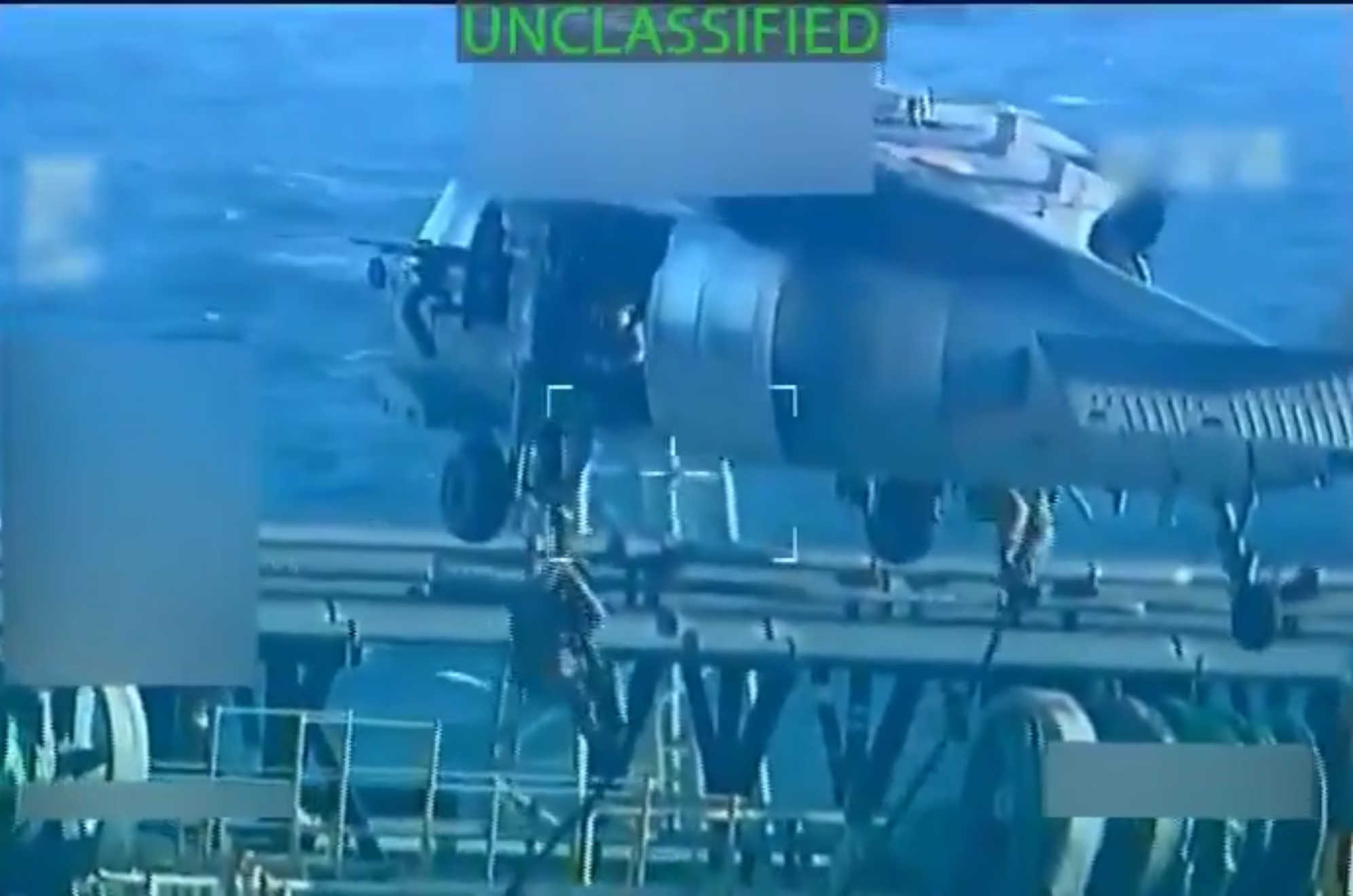
The United States seized a Venezuelan oil tanker off the country’s coast on December 10, marking a sharp escalation in the Trump administration’s confrontation with President Nicolás Maduro’s government and adding new tension to an already heightened U.S. military presence across the Caribbean. The action, taken under Operation Southern Spear, immediately prompted condemnation from Caracas.

President Donald Trump publicly announced the seizure during a meeting with business leaders at the White House, saying U.S. forces had taken control of the vessel and adding, “I assume we’ll keep the oil.” Officials say the tanker had been carrying crude destined for international markets before it was intercepted as part of the administration’s broader campaign targeting drug trafficking and narco-terrorism linked to Venezuelan officials. FBI Director Kash Patel said the vessel is known to be used to transport sanctioned oil from Iran and Venezuela.
Attorney General Pam Bondi later confirmed the operation, noting a warrant had been issued based on intelligence tying the shipment to the Cartel de los Soles—identified by the State Department as a foreign terrorist organization. Bondi characterized the action as a significant disruption to Maduro’s “criminal enterprise,” saying the seizure struck at illicit revenue channels used by regime-aligned networks.
Secretary of War Pete Hegseth similarly framed the interception as a defensive measure, explaining that the operation fell squarely within the mandate of Operation Southern Spear to protect U.S. interests in the hemisphere. According to U.S. officials, the seizure is one of more than 20 maritime interdictions conducted since September. Those efforts have resulted in dozens of vessels being sunk or captured as part of an expanding military footprint in the region.
The deployment includes the USS Gerald R. Ford carrier group and its accompanying destroyers, whose presence has drawn international scrutiny.
Venezuelan officials condemned the U.S. action as “international piracy,” vowing to pursue diplomatic avenues and accusing Washington of attempting to engineer regime change. The incident also comes shortly after Trump issued an ultimatum to Maduro to leave the country with his family in exchange for safe passage, a proposal Caracas swiftly rejected as foreign interference.
In Puerto Rico, roughly 5,000 U.S. troops have been stationed at the reopened José Aponte de la Torre Airport in Ceiba, alongside F-35 fighter jets, MQ-9 Reaper drones, and AC-130J gunships. These assets are enforcing a no-fly zone and play a central role in surveillance operations monitoring Venezuelan activity, amid reports of stepped-up naval patrols near the coast.
The U.S. Virgin Islands have also seen increased military movement. U.S. Navy vessels have made multiple rest-and-recreation stops in St. Thomas and St. Croix, which local officials say have brought economic benefits. Some residents, however, have raised concerns about the implications of a growing military presence in territorial waters.
The final destination of the tanker’s cargo has not yet been disclosed, though U.S. officials have indicated the seized oil will be redirected to offset the costs of the operation. Analysts predict the move could fuel diplomatic protests at the United Nations.