




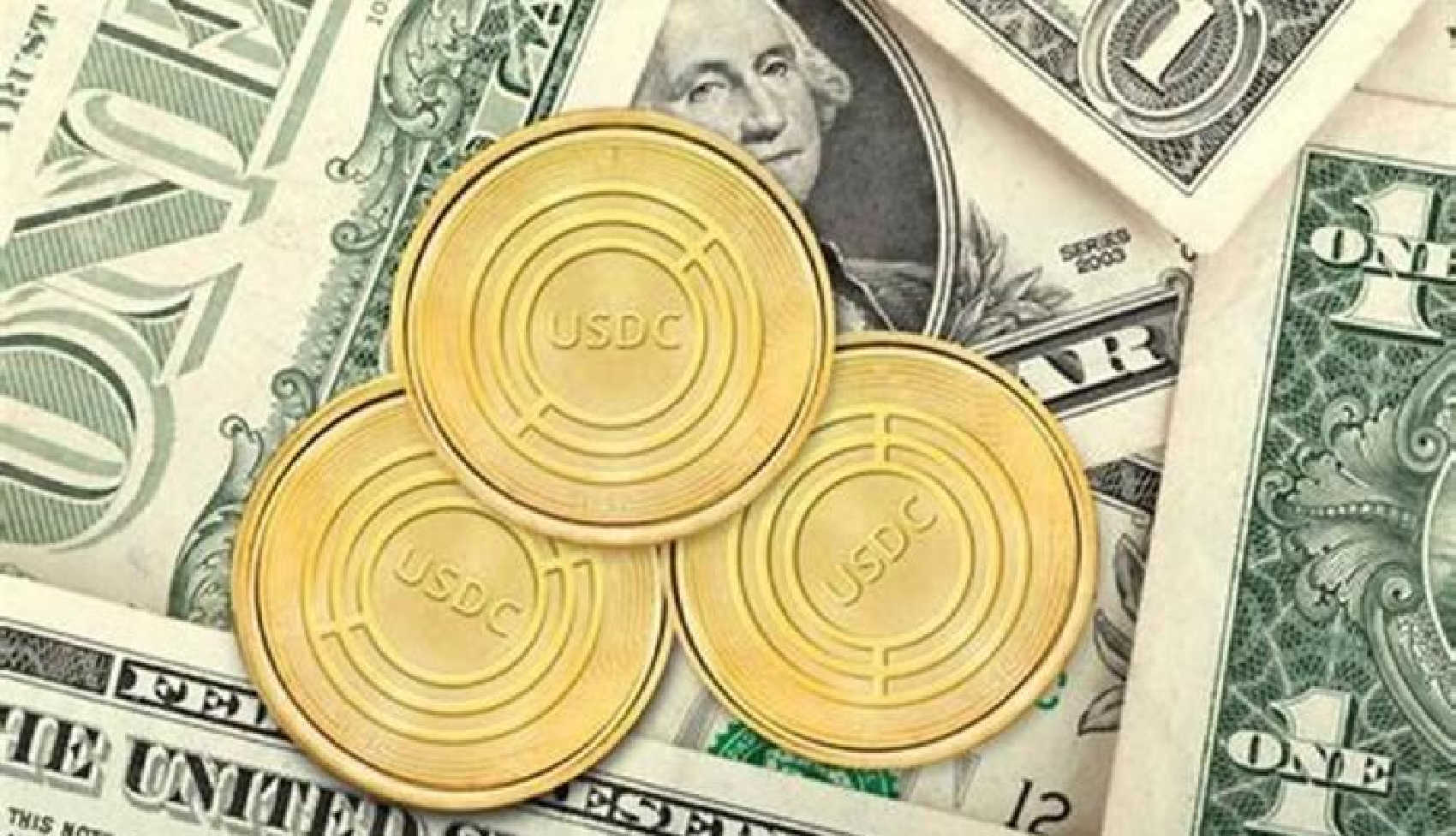
The U.S. Treasury Department's Office of the Comptroller of the Currency has finalized new regulations governing stablecoins, a type of cryptocurrency designed to maintain a fixed value, typically tied to the U.S. dollar. The rules expressly address how companies established in the U.S. Virgin Islands and other American territories would be classified under the federal regulatory framework.

The regulations, published in the Federal Register on Friday, October 23, implement the Guiding and Establishing National Innovation for U.S. Stablecoins Act, known as the GENIUS Act, which Congress enacted in July 2025. The rules take effect January 18, 2027, and establish standards for licensing, financial reserves, redemption of digital assets, risk management and federal supervision.
Stablecoins differ from cryptocurrencies such as Bitcoin and Ethereum, whose market prices can fluctuate significantly. They are designed to maintain a consistent value, typically equivalent to one U.S. dollar per digital token, and are generally backed by reserves intended to support redemption at that value. However, maintaining that value is not guaranteed.
The new federal regulation contains a provision directly relevant to the Virgin Islands. Under the GENIUS Act, an entity organized under the laws of or domiciled in a U.S. territory may fall within the definition of a foreign payment stablecoin issuer unless it qualifies as a permitted payment stablecoin issuer.

In finalizing the regulations, the OCC explained that the statute specifically references Puerto Rico, Guam, American Samoa and the Virgin Islands. Rather than repeating those jurisdictions individually, the agency adopted language covering any U.S. territory, including the Northern Mariana Islands.
The classification does not mean every cryptocurrency company established in the Virgin Islands would automatically be regulated as a foreign issuer. The OCC clarified that a company legally established under territorial law that qualifies as a state-qualified payment stablecoin issuer would instead fall within the permitted-issuer category and would not be considered a foreign payment stablecoin issuer.
That distinction determines which regulatory framework a company would follow. Depending on its organizational structure, approval status and applicable supervisory authority, a stablecoin issuer could be subject to the rules governing permitted U.S. issuers or separate federal registration and oversight requirements governing foreign issuers.
The final regulations establish financial safeguards intended to ensure that qualifying stablecoins can be redeemed at their stated value. They address the assets issuers must maintain to support outstanding stablecoins, restrictions on the use of reserves, procedures for redemption and requirements for managing operational and financial risks.
Companies covered by the OCC's framework must also satisfy applicable reporting, audit and examination requirements. The regulations address the handling of customer information, custody of digital assets and the circumstances under which federal regulators may revoke or rescind an issuer's approval.
The rules also prohibit covered issuers from paying interest or other forms of yield to customers solely for holding, using or retaining a payment stablecoin.
For issuers classified as foreign payment stablecoin issuers, the framework establishes additional requirements involving federal registration, regulatory supervision and sufficient reserves held at U.S. financial institutions to meet the liquidity demands of American customers, subject to applicable exceptions.
The OCC announced the final regulations on October 21, two days before their publication in the Federal Register. The agency said the framework covers national banks, federal savings associations, certain subsidiaries, federally qualified nonbank issuers and other entities subject to its jurisdiction.
The agency has not yet begun accepting applications and waiver requests from prospective payment stablecoin issuers. It said applications would be accepted following final approval of the required information-collection forms by the Office of Management and Budget, with a separate announcement to follow.
Under accompanying implementation guidance, issuers with substantially complete applications pending by January 18, 2027, may request waivers from certain requirements while their applications are considered. Such waivers are not automatic.
The OCC also indicated that separate regulations addressing anti-money laundering obligations, Bank Secrecy Act requirements and sanctions compliance remain subject to an additional rulemaking process coordinated with the Treasury Department.
The territorial provisions establish how the federal cryptocurrency framework would treat qualifying stablecoin issuers organized under Virgin Islands law. They do not establish that a Virgin Islands-based company has applied for federal authorization or received approval to issue payment stablecoins.

The new regulations follow broader discussions about the potential use of cryptocurrency in the territory. During the July 2026 V.I. Consortium–WTJX gubernatorial debate, Delegate to Congress Stacey Plaskett discussed legislation to create a Virgin Islands stablecoin as part of her proposals for generating government revenue. The federal regulations do not authorize that proposal or establish that a territorial stablecoin program has been created.