
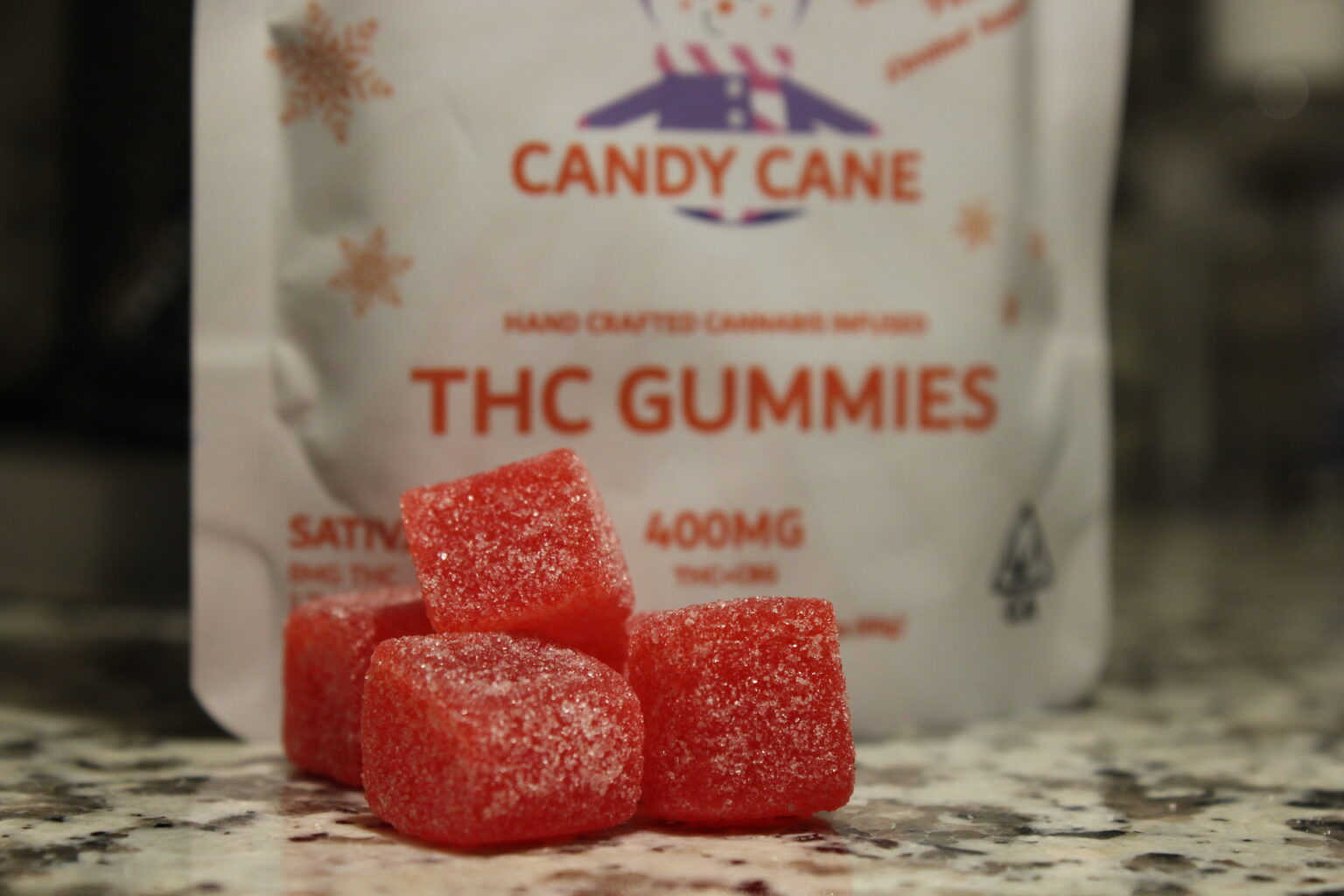
Sweeping changes to federal hemp regulations have taken effect following President Donald Trump’s November 12 signing of the 2026 Extensions Act, a measure that not only ended a 43-day government shutdown but also redefined “hemp” in a way that effectively bans all intoxicating products derived from the plant. The move is already reshaping a $28 billion industry — including plans in the U.S. Virgin Islands — built over the seven years since hemp was federally legalized.

Under the legislation, the definition of hemp — established in the 2018 Farm Bill — has been narrowed to exclude any product containing detectable levels of tetrahydrocannabinols (THCs) or other intoxicating cannabinoids. The change directly targets items such as THC-infused edibles, beverages, and vapes that have proliferated in states where marijuana remains illegal. The provision was added as part of a last-minute compromise during congressional negotiations, driven by concerns over unregulated intoxicating substances and their appeal to minors.
Supporters of the new restrictions, including lawmakers from both parties, argue that the revised definition closes loopholes in the 2018 Farm Bill that allowed hemp-derived intoxicants to bypass stricter marijuana laws. They say the change strengthens consumer protections and places intoxicating products under more appropriate oversight.
The U.S. Department of Agriculture has delayed enforcement of certain hemp testing requirements until December 31, 2025, giving companies a limited window to comply. Even with that delay, many in the industry describe the new regulatory landscape as destabilizing. Hemp advocates and business owners warn that the sweeping nature of the ban threatens jobs across farming, retail, and manufacturing sectors that expanded rapidly after federal legalization.
Critics say the restrictions could push consumers toward an unregulated black market, reducing product safety and stifling innovation in non-intoxicating hemp applications such as textiles and wellness products. Legal analysts note that while the ban focuses on intoxicating derivatives, it still permits non-intoxicating CBD products, though federal agencies have not yet clarified how enforcement will be carried out.
States such as Texas, which have built robust local hemp industries, plan to continue implementing their own regulatory frameworks despite the federal shift. Industry lawyers and analysts point out that this divergence could lead to conflicts between state and federal policies as enforcement unfolds.
The legislation has also created immediate ripple effects in international trade. Companies involved in the importation of hemp genetics now face a one-year timeline to comply with new restrictions on seeds that could produce high-THC plants. Businesses say the shift complicates long-term planning and may limit access to certain cultivars relied upon for product development.
Political pushback has already begun. On November 19, U.S. Representative Nancy Mace of South Carolina introduced draft legislation seeking to repeal the intoxicating hemp ban and restore the 2018 regulatory structure. Her bill aims to distinguish between products that are genuinely intoxicating and those that contain only trace amounts of THC. No vote has been scheduled, and congressional debate continues.
Industry groups, including the U.S. Hemp Roundtable, have launched lobbying efforts to challenge the new provisions. They argue that the changes were introduced without sufficient public debate and could significantly damage rural economies that embraced hemp cultivation following the 2018 Farm Bill.

Federal agencies have not yet issued full guidance on implementation, leaving stakeholders anticipating legal challenges and further revisions during the next farm bill discussions expected in 2026.