




 77°F
77°F


WASHINGTON, D.C. — The Pan American Health Organization is warning that the risk of measles spreading across the Americas remains very high as upcoming religious gatherings in South America bring large numbers of travelers together amid continuing outbreaks and gaps in vaccination coverage. PAHO issued the warning October 9, following an October 8 assessment of risks associated with religious events in Argentina, Peru and Uruguay. The assessment updates an August review and identifies increased travel and crowded gatherings as additional opportunities for transmission.

Across the Americas, 55,792 confirmed cases and 77 deaths were reported from January 4 through October 3. Guatemala recorded the most cases, followed by Mexico, the United States, Peru and Canada; together, those countries accounted for 99.5 percent of the total. Belize and Bonaire were also among the 17 countries and territories reporting cases.
The assessment warns that prolonged contact, shared accommodations and crowded transportation hubs can help the virus spread. Infected people can transmit measles before the characteristic rash appears, allowing travelers to expose others before their illness is recognized. Tracking contacts becomes more difficult when attendees leave for different countries before cases are detected.
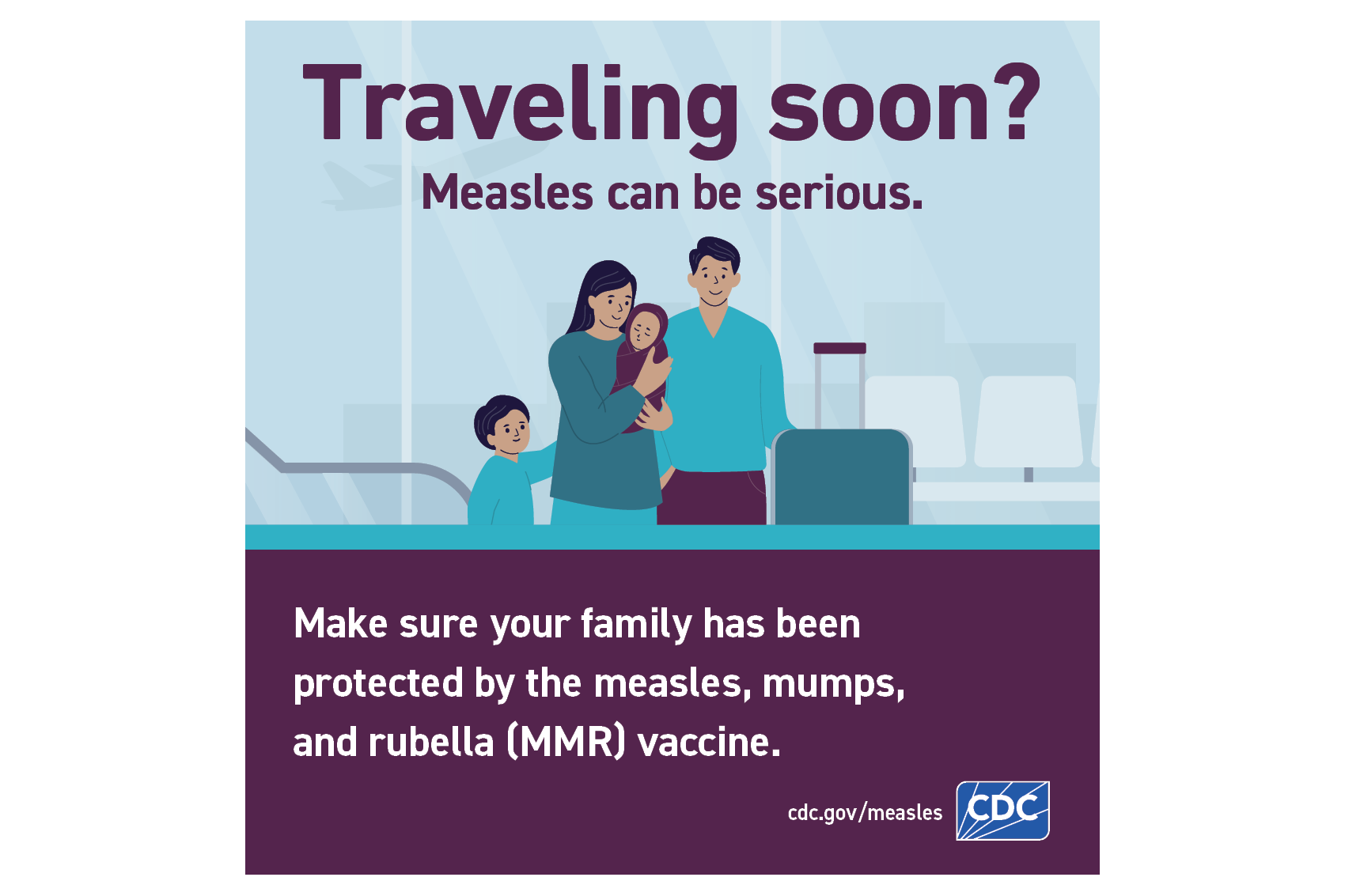
“Anyone planning to attend a large gathering should check that they are protected against measles,” said Dr. Daniel Salas, PAHO's executive manager of comprehensive immunization. He said exposure can also occur during travel within a person's own country when attendees arrive from different regions. PAHO recommended that people aged 6 months or older who lack evidence of vaccination receive a measles-rubella vaccine dose before traveling or attending a gathering, preferably at least two weeks beforehand.

Regional vaccination coverage in 2025 reached 88 percent for the first measles, mumps and rubella vaccine dose and 85 percent for the second, below the 95 percent level PAHO identifies as necessary to prevent outbreaks. An estimated 1.6 million children in the Americas received no measles vaccine dose that year.
The organization linked those gaps to disrupted immunization during the COVID-19 pandemic, vaccine hesitancy, difficulties delivering vaccinations and barriers to health care. Indigenous peoples, migrants and displaced populations face particular obstacles to access.
PAHO's October 8 situation report recorded 50 deaths in Guatemala, 23 in Mexico, two in the United States and one each in Bolivia and Peru. It cautioned that reporting delays and underreporting may leave the regional case total underestimated.

The organization is supporting vaccination, contact tracing, laboratory surveillance and genomic monitoring across the region. Its preparations in South America also include support for health authorities ahead of the upcoming mass gatherings.