

The V.I. Department of Health says it is “closely monitoring” the ongoing spread of H5N1 or Bird Flu on the mainland United States, where the number of reported cases has risen to 68. No cases have been recorded in the USVI to date.

Outbreaks of the virus, widespread in wild birds across the world, have been detected in poultry and U.S. dairy cows. According to the Centres for Disease Control and Prevention, there have been “several recent human cases in U.S. dairy and poultry workers.” The current public health risk is considered low. However, the local DOH notes “concerns about its adaptability.”
The department continues to work with the Department of Agriculture which possesses the capacity to test all birds “presented for export” as well as those showing signs of illness. “All testing has been negative,” reported Dr. Ether Ellis, territorial epidemiologist, on Monday. The two departments are “collaborating to expand this testing to random sampling of backyard flocks.” In the interim, DOH is stressing personal responsibility.
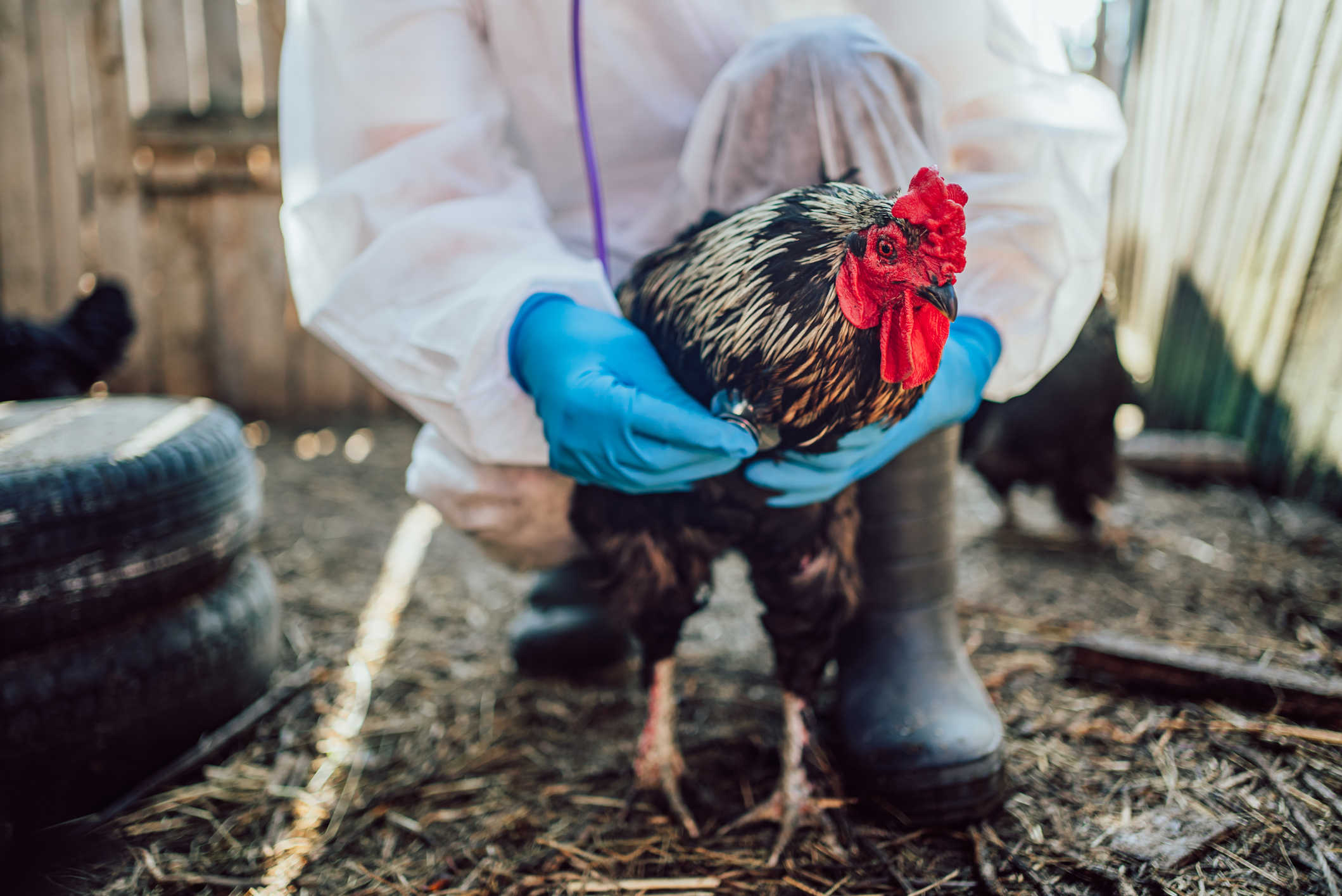
“Individuals with occupational or recreational exposure to birds or livestock should take extra precautions,” cautioned Dr. Ellis. She recommends “wearing appropriate personal protective equipment or PPE to reduce the risk.” Additionally, individuals should “avoid direct contact with wild birds, sick or dead poultry or other sick animals.” DOH also encourages the wearing of protective gear like gloves, masks, and eye protection. For the general public, the department is encouraging thorough handwashing “for at least 20 seconds after contact with animals or raw products.”
“Only consume pasteurized dairy products and cook poultry and eggs to an internal temperature of 165 Fahrenheit, or 74 Celsius,” Dr. Ellis warns.
The VIDOH informed the public that “antiviral treatments for seasonal flu are effective against H5N1 when administered early, and are available in the territory with a prescription.”

Meanwhile, for all types of influenza, reports from major population centers in the United States are of elevated numbers of patients filling doctors’ offices and emergency rooms. New York is experiencing the highest number of cases in 4-years, while according to the CDC, 30 states across the nation have reported “very high” caseloads.


Advertisements