





 77°F
77°F


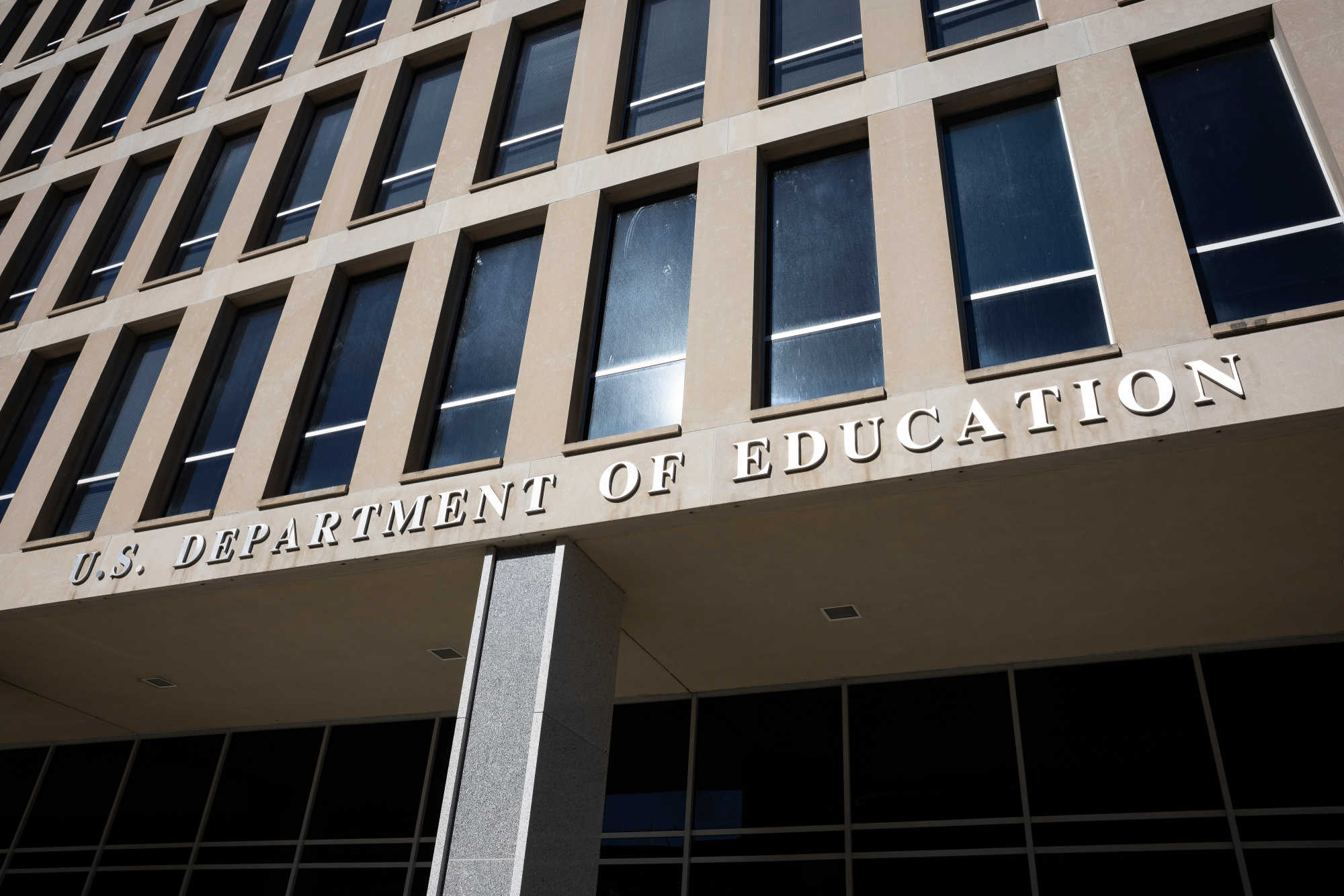
U.S. Education Secretary Linda McMahon announced on Tuesday that the Department of Education is forging new partnerships with four federal agencies to dismantle elements of the federal education bureaucracy, aligning with President Donald Trump's pledge to devolve more control over education to states and territories.

The move involves six interagency agreements aimed at streamlining program administration, reducing administrative hurdles, and enhancing efficiency by leveraging the expertise of partner agencies. McMahon described the initiative as a "major step" toward refocusing federal efforts on students, families, and schools while cutting through Washington red tape.
The agreements pair the Education Department with the Departments of Labor, Interior, Health and Human Services, and State, transferring oversight and management of select programs to these entities while Education retains ultimate authority. Under two pacts with Labor, the agency will handle K-12 education grants and most postsecondary programs under the Higher Education Act, integrating them with workforce training to address annual shortages of over 700,000 skilled jobs. Labor Secretary Lori Chavez-DeRemer praised the collaboration for providing students a "clear pathway from education to opportunity."
The Interior Department will assume greater responsibility for Indian Education programs across elementary, secondary, higher, and vocational levels, serving as the primary contact for Tribes and Native students. Interior Secretary Doug Burgum called it the "beginning of a brighter future" for Native communities, noting the potential for empowerment and accountability.
Health and Human Services will oversee accreditation evaluations for foreign medical schools through the National Committee on Foreign Medical Education and Accreditation, as well as manage the Child Care Access Means Parents in School program to support on-campus child care for student parents. HHS Deputy Secretary Jim O’Neill highlighted the focus on incorporating rigorous science into medical education, while Assistant Secretary Alex J. Adams noted the efficiency gains for families.
The State Department will administer the Fulbright-Hays international education and foreign language grants, aligning them with U.S. national security and foreign policy priorities. Under Secretary Sarah Rogers stated the shift would "strengthen and streamline" programs using State's global expertise.
These changes build on an earlier workforce development accord with Labor and come amid the administration's broader push to gather state-level best practices through a 50-state tour and advocate for legislative reforms. Critics, including some education advocates, have expressed concerns that the reassignments could fragment oversight and undermine specialized expertise at the Education Department.

No immediate timeline for full implementation was provided, but officials indicated the agreements would promote innovation at the local level and ensure federal funds better support student outcomes.




