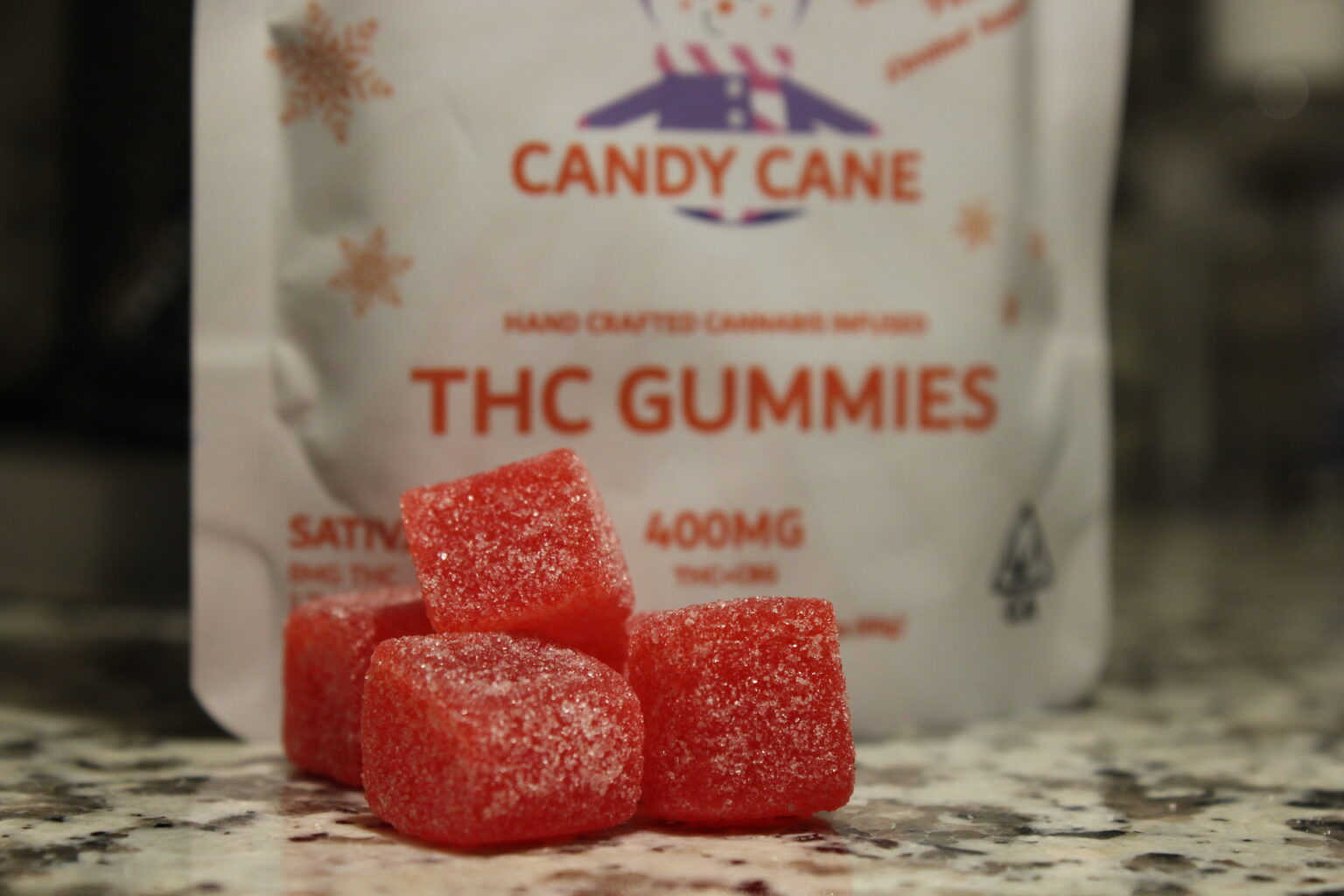
An amended version of Bill 36-0105 was sent back to the Committee on Homeland Security, Justice, and Public Safety on Thursday, despite having been forwarded to the Committee on Rules and Judiciary in September. The measure, sponsored by Senator Clifford Joseph, revises Title 7, Chapter 13, Subchapter III of the Virgin Islands Code to prohibit the possession, sale, or manufacture of tetrahydrocannabinolic acid, delta-6 THC, delta-8 THC, and delta-10 THC products in the territory.

The bill’s return to committee follows sweeping federal action last month that redefined hemp in a way that effectively bans intoxicating hemp products nationwide. On November 12, President Donald Trump signed the 2026 Extensions Act, which narrowed the definition of hemp to exclude any product containing detectable levels of tetrahydrocannabinols or other intoxicating cannabinoids. The change, which ended a 43-day federal shutdown, has reshaped a $28 billion national industry and has already prompted territorial policymakers to reexamine local regulatory frameworks.
Senator Joseph opened Thursday’s hearing by noting that “a loophole existed that has since been closed federally.” His amended bill reflects the new federal standard by adopting “clear definitions that mirror those of the federal government,” and by clarifying the responsibilities of the Industrial Hemp Commission and the Office of Cannabis Regulation. Federal officials have stated that the amended definition of hemp, now based on a 0.3% threshold of total THC concentration on a dry-weight basis rather than delta-9 THC alone, was designed to prevent “the unregulated sale of intoxicating hemp products in light of concerns surrounding the proliferation of hemp cannabinoid products.” The new definition will take effect November 12, 2026.
The original version of Bill 36-0105 received mixed reactions at its September 7 hearing. Testifiers supported the goal of limiting public exposure to unregulated intoxicating products but warned of potential overlap between the Office of Cannabis Regulation and the Industrial Hemp Commission. They urged lawmakers to require interagency collaboration and ensure clear enforcement authority.
Territorial officials again appeared before lawmakers on Thursday, largely supporting the amended version. Health Commissioner Justa Encarnacion told senators that the federal definition change will “affect approximately 95% of the $28 billion hemp retail market.” She said it addresses one of the Department of Health’s “more core concerns,” namely the sale of “unregulated intoxicating derivatives” labeled as hemp. DOH intends to support the legislation, and Commissioner Encarnacion advised against a grace period for compliance. “Immediate enforcement is both aligned with federal requirements and essential to core public health principles,” she testified.
Her comments echoed national reactions to the federal ban. Supporters of the new restrictions have argued that they close loopholes in the 2018 Farm Bill that allowed intoxicating hemp products to bypass marijuana regulations. Critics, however, including industry advocates and several members of Congress, have warned that the federal measure could destabilize businesses built around hemp-derived edibles, vapes, and other products and may push consumers toward unregulated markets. Representative Nancy Mace introduced draft legislation on November 19 seeking to repeal the federal ban and restore the 2018 regulatory framework, though debate is ongoing and no vote has been scheduled.
At the territorial level, Senator Joseph emphasized that the amended bill aligns local policy with the federal direction of travel. Under the proposal, Virgin Islands regulators would apply definitions and oversight structures consistent with those in the 2026 Extensions Act. Government agencies present at the hearing expressed continued support for the bill, even as they noted the significant industry-wide impact of the federal changes and the need for clear implementation pathways.

Following testimony, lawmakers returned Bill 36-0105 to committee, where further refinements are expected as the territory adapts its cannabis and hemp laws to match the evolving federal landscape.