

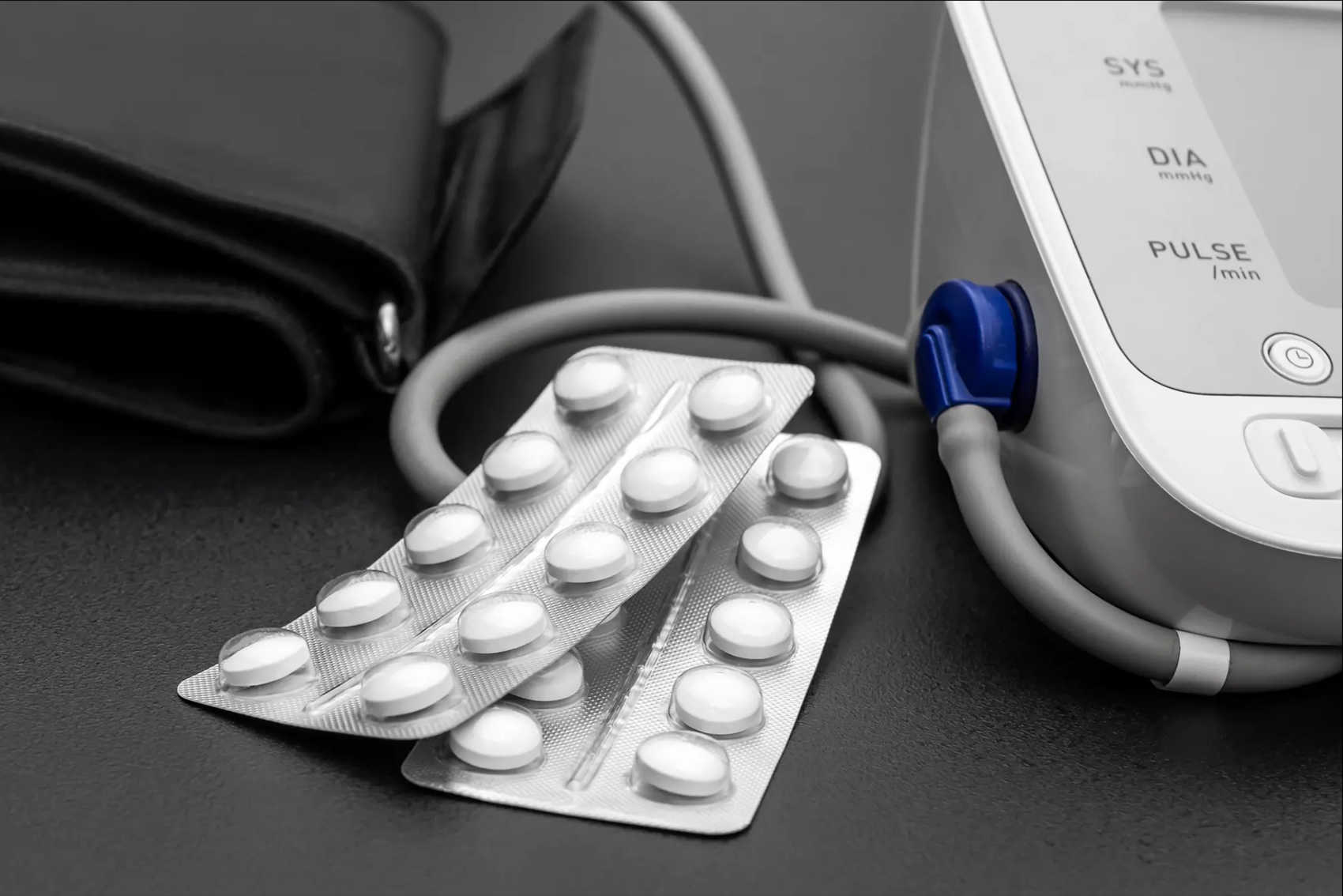
Teva Pharmaceuticals USA has issued a nationwide recall of hundreds of thousands of bottles of a commonly prescribed blood pressure medication after internal testing detected elevated levels of a chemical impurity linked to cancer risk, prompting renewed attention on drug manufacturing oversight and patient safety.

The voluntary recall involves more than 580,000 bottles of prazosin hydrochloride capsules in 1 mg, 2 mg, and 5 mg strengths. Teva initiated the recall on October 7, 2025, after identifying higher-than-acceptable levels of N-nitroso prazosin impurity C, a nitrosamine classified as a probable human carcinogen. The U.S. Food and Drug Administration formally designated the action as a Class II recall on October 24, meaning use of the affected product may cause temporary or medically reversible health effects, with only a remote chance of serious harm.
The recalled medication was distributed nationwide under Teva’s label, including through partners such as Amerisource Health Services. Affected lots include multiple National Drug Code (NDC) numbers, such as 0093-4067 for the 1 mg capsules, with expiration dates spanning from October 2025 through February 2027. According to Teva, laboratory testing showed the impurity exceeded intake limits established under the FDA’s Carcinogenic Potency Categorization Approach. While the company characterized the overall patient risk as medium, it reported that no adverse events have been linked to the recalled lots to date.
Nitrosamines are organic compounds that can develop during pharmaceutical manufacturing or storage under certain conditions. Their presence has been a recurring issue across the drug industry in recent years, triggering recalls of other blood pressure medications, including valsartan and losartan. In response, the FDA has strengthened its oversight since 2018, requiring drugmakers to conduct expanded testing and implement mitigation strategies for both active ingredients and finished products.
Health experts note that the cancer risk associated with short-term exposure to nitrosamine impurities is considered low, though prolonged exposure may raise concern. Prazosin is prescribed to treat high blood pressure and is also widely used off-label, including for post-traumatic stress disorder–related nightmares. The drug is taken by hundreds of thousands of patients each year. Teva has not identified the specific manufacturing facility involved in the affected lots, though the company operates production sites worldwide, including in India.
Patients currently taking prazosin are advised not to stop the medication abruptly, as doing so could cause dangerous increases in blood pressure. Instead, they should consult their healthcare provider or pharmacist to determine whether their prescription is from an affected lot and to discuss alternative treatment options if necessary. Pharmacies have been instructed to quarantine the recalled products and return them, with Teva coordinating reimbursement for impacted inventory.

Federal regulators continue to monitor nitrosamine contamination across the industry and have urged manufacturers to adopt stronger preventive controls to reduce future risks.