

Senate Democrats on Tuesday blocked the Republican-proposed continuing resolution (CR) for the ninth consecutive time, deepening the federal government shutdown now in its third week and intensifying pressure on essential services for low-income Americans.

The clean CR, which would extend current funding levels through November 21 without additional policy riders, passed the House on September 19 with some bipartisan backing but has stalled in the Senate amid demands from Democrats for an extension of Affordable Care Act (ACA) premium tax credits set to expire at year's end. Senate Minority Leader Chuck Schumer (D-N.Y.) defended the position in a floor speech, stating, "No," when asked if Democrats would yield without guarantees on ACA protections, noting the need to address what he called a "Republican health care crisis." With no breakthroughs in sight, the impasse risks broader disruptions, including to nutrition programs serving millions of children and families.
The core dispute revolves around the ACA subsidies, which have enabled about 24 million enrollees—92% of marketplace participants—to cap premiums at 8.5% of income, per the Kaiser Family Foundation. Democrats insist on pairing the CR with a permanent extension of these credits, alongside reversals to Medicaid cuts in the July-passed "One Big Beautiful Bill Act," arguing it prevents coverage losses for four million people in 2026. Republicans, led by House Speaker Mike Johnson (R-La.), counter that the clean CR provides a path to separate negotiations, accusing Democrats of politicizing the shutdown. "By way of reminder, the House passed a clean, nonpartisan CR three weeks ago today to keep the government funded and, by extension, to pay our troops and TSA agents and Border Patrol agents and the air traffic controllers and the rest of our federal workforce," Johnson said during an October 10 press conference. The Senate's 50-43 vote on October 20, with only three Democrats and independents crossing lines, underscores the partisan entrenchment.
Among the most immediate casualties are programs like the Special Supplemental Nutrition Program for Women, Infants, and Children (WIC), which supports nearly 7 million low-income pregnant women, new mothers, and children under 5 with food vouchers, breastfeeding aid, and health referrals. WIC's fiscal year 2025 funds, totaling $7.6 billion, depleted on September 30 without new appropriations, leaving states with limited carryover—up to 3% of prior-year allocations—and a $150 million USDA contingency fund pending Office of Management and Budget approval. The National WIC Association warned in an October 7 release that "failure to rapidly reopen the government could result in State WIC directors being put in the horrible position of trying to manage their programs with insufficient funds," potentially forcing clinic closures or enrollment freezes by mid-November. In states like North Carolina, where 262,000 participants rely on WIC, officials have pledged to cover shortfalls temporarily, but prolonged delays could exacerbate child malnutrition rates already elevated post-pandemic
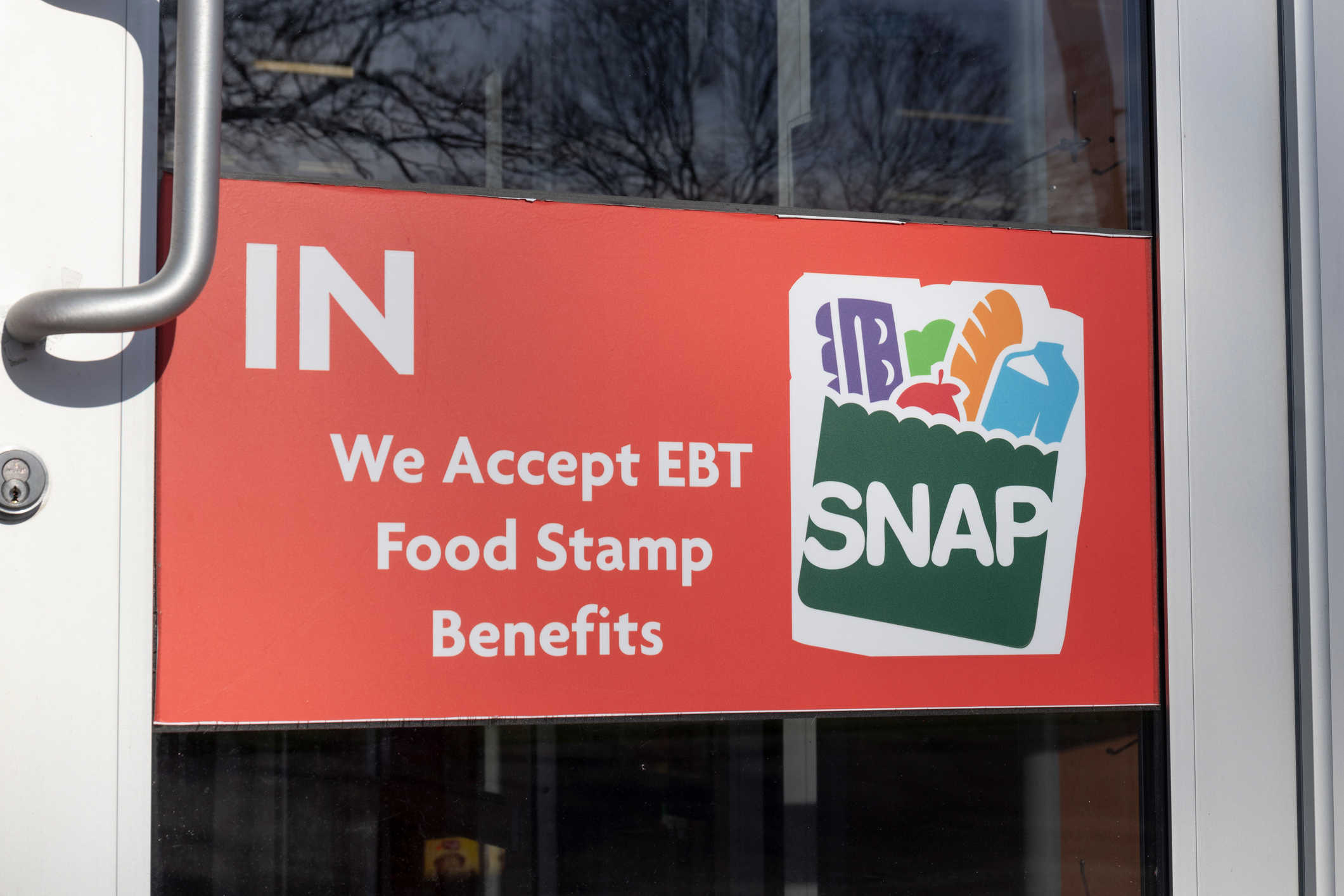
The Supplemental Nutrition Assistance Program (SNAP), serving 42 million low-income individuals monthly, faces similar vulnerabilities beyond October. A May 2025 Office of Management and Budget letter committed funds for the month's benefits, ensuring timely issuance via electronic benefit transfer cards, but November payments could be delayed or reduced without action, according to a U.S. Department of Agriculture alert on October 10. "If the current lapse in appropriations continues, there will be insufficient funds to pay full November SNAP benefits to 42 million individuals across the Nation," wrote Sasha Gersten-Paal, director of SNAP's development division, in correspondence to state agencies.
The V.I. Department of Human Services last week confirmed delays in November SNAP payments, citing the federal funding lapse. Senate President Milton Potter is leading efforts to bridge the gap using local reserves until Congress restores funding.
The Food Research & Action Center noted that while states process distributions, federal furloughs could hinder data transmission, leading to gaps of up to 40 days as seen in the 2019 shutdown. Vulnerable groups, including 1.4 million SNAP recipients in North Carolina alone, may turn to food banks, which reported a 25% demand surge in the shutdown's first week.
Temporary Assistance for Needy Families (TANF), providing cash aid to low-income families, also hangs in balance, with November distributions at risk of interruption. The shutdown has furloughed 750,000 federal workers overall, with permanent layoffs—halted temporarily by a Supreme Court order on October 15—targeting agencies like the Department of Education and Environmental Protection Agency, indirectly straining oversight of these programs. Economic fallout compounds the strain, with $1.5 billion in weekly productivity losses per Brookings Institution estimates, hitting communities near federal hubs hardest. Advocacy groups like the American Federation of Government Employees have sued to block reductions, arguing violations of the Antideficiency Act, while states like Connecticut commit reserves to bridge gaps.
Amid the chaos, President Donald Trump has prioritized military pay, directing Department of War Secretary Pete Hegseth on October 11 to tap approximately $8 billion in unobligated fiscal year 2025 research, development, testing, and evaluation funds to cover the October 15 paychecks for 1.3 million active-duty service members. "We have identified funds to do this, and Secretary Hegseth will use them to PAY OUR TROOPS. I will not allow the Democrats to hold our Military, and the entire Security of our Nation, HOSTAGE, with their dangerous Government Shutdown," Trump posted on Truth Social.

The Pentagon confirmed the transfer's legality under the National Defense Authorization Act's $8 billion cap on inter-account shifts, though experts question its sustainability for end-of-month payments. Johnson described it as a "temporary fix," warning troops could miss November checks without resolution, while Democrats like Sen. Brian Schatz (D-Hawaii) praised the outcome but criticized the method as an executive overreach.


Advertisements