


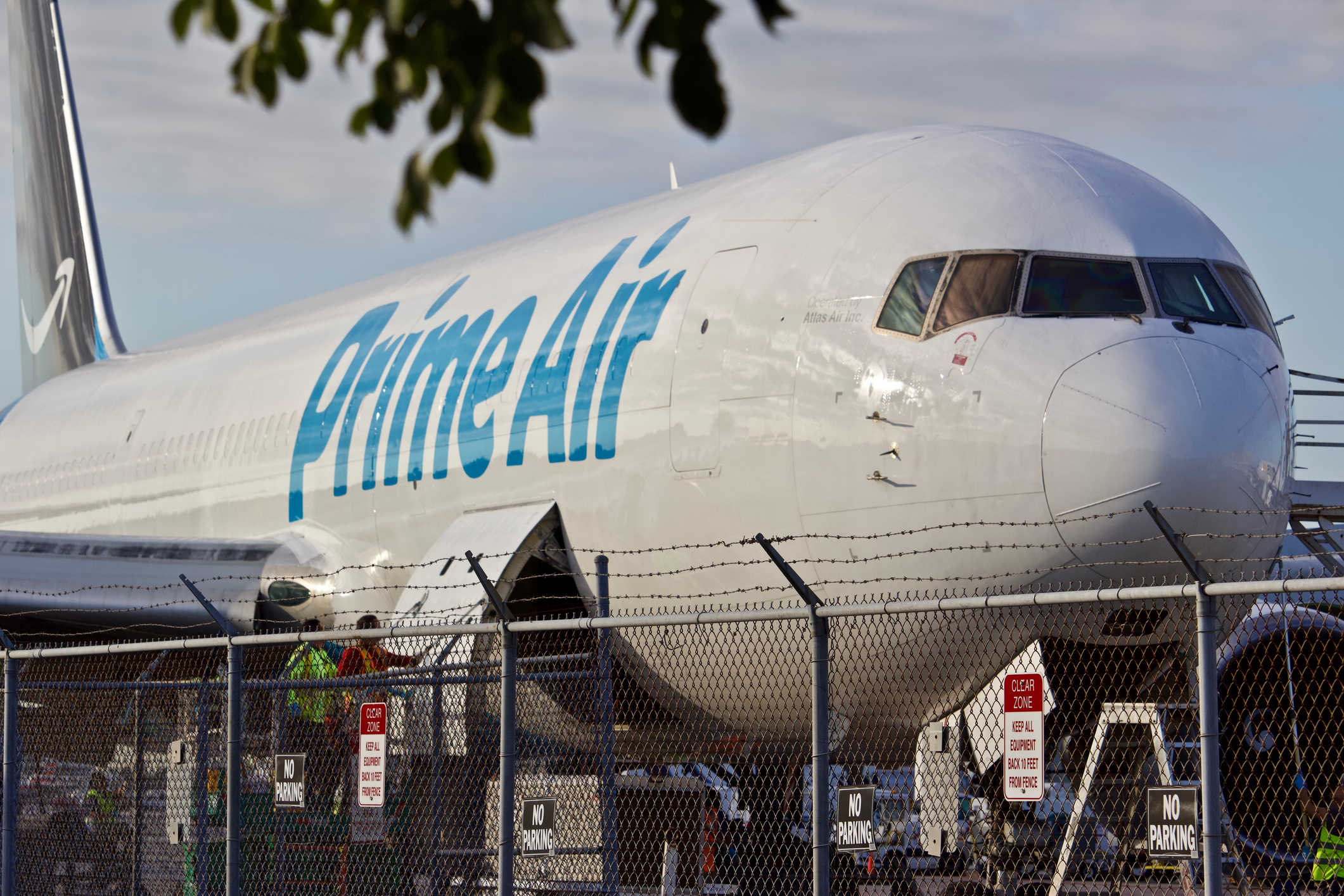
On September 2, Amazon further strengthened its global logistics expansion by launching its first Caribbean distribution hub in the Dominican Republic. The initiative, centered at Las Américas International Airport in Santo Domingo, leverages the country’s strategic location and modernized infrastructure to serve as a gateway for e-commerce across the Caribbean.

With the arrival of its first Amazon Air Cargo flight, the company has begun operating seven weekly flights from Miami, utilizing Boeing 767-300 freighters to transport goods. Dominican President Luis Abinader hailed the development as a “game-changer” for the region, noted its potential to enhance trade and economic growth.
The hub, Amazon’s second in Latin America after Colombia, positions the Dominican Republic as a critical node in the company’s regional supply chain.
The hub’s operations rely on key infrastructure, including the ports of Caucedo and Haina and a new e-commerce terminal at Las Américas International Airport, capable of processing an additional 4 million packages annually. Dominican Customs Director Eduardo Sanz Lovatón described the launch as a “historic milestone,” noting that 96% of cargo now meets U.S. and European screening standards, facilitating swift customs clearance.

The agreement with Amazon includes a weekly cargo capacity of 770 metric tons, enabling the company to streamline shipments to Caribbean destinations. ALK Global Logistics, partnering with 21 Air, manages the logistics. This setup allows Amazon to bypass slower traditional shipping routes, positioning the Dominican Republic as a central hub for regional distribution.
The Caribbean distribution hub is expected to significantly accelerate delivery times across the region, including to destinations like the U.S. Virgin Islands. By centralizing logistics in Santo Domingo, Amazon can sort and dispatch goods more efficiently, reducing reliance on U.S.-based distribution centers.
The proximity of the Dominican Republic to the U.S. Virgin Islands—less than 400 miles—combined with frequent cargo flights and optimized customs processes, could cut delivery times from weeks to days, and in some cases, even hours. For residents of St. Thomas, St. Croix, and St. John, this means faster access to Amazon’s vast product catalog, potentially matching the speed of mainland U.S. deliveries.
Economically, the hub is poised to create significant opportunities in the Dominican Republic. Authorities project job growth in logistics, transportation, and technology sectors, with the e-commerce terminal alone expected to boost employment. President Abinader noted that the hub will “position the Dominican Republic as the epicenter of Caribbean e-commerce,” attracting further investment.
The country’s investment in digital customs systems and infrastructure upgrades, including the expansion of Las Américas International Airport, was a key factor in Amazon’s decision. These improvements not only benefit Amazon but also enhance the Dominican Republic’s appeal as a logistics hub for other global companies, potentially spurring broader economic development.
However, the hub’s arrival has sparked concerns among local couriers and small businesses across the Caribbean. Some fear that Amazon’s pricing power and rapid delivery capabilities could outpace smaller competitors, threatening their viability. Industry experts suggest Amazon may adopt a hybrid model, collaborating with local delivery firms to extend its reach while encouraging modernization.
“This is a monumental step that places the Dominican Republic at the center of regional e-commerce,” Sanz Lovatón said, acknowledging the need to balance competition with cooperation.
Looking ahead, Amazon’s Caribbean hub signals a broader push to expand its logistics footprint in Latin America and beyond. The company’s success in Colombia and plans for potential hubs in Mexico and Brazil underscore its ambition to dominate regional e-commerce.

For Caribbean consumers, the hub promises greater access to goods at lower shipping costs, while for Amazon, it strengthens its competitive edge against traditional carriers like FedEx and UPS.